Product Description
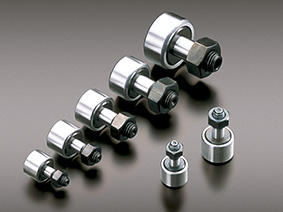
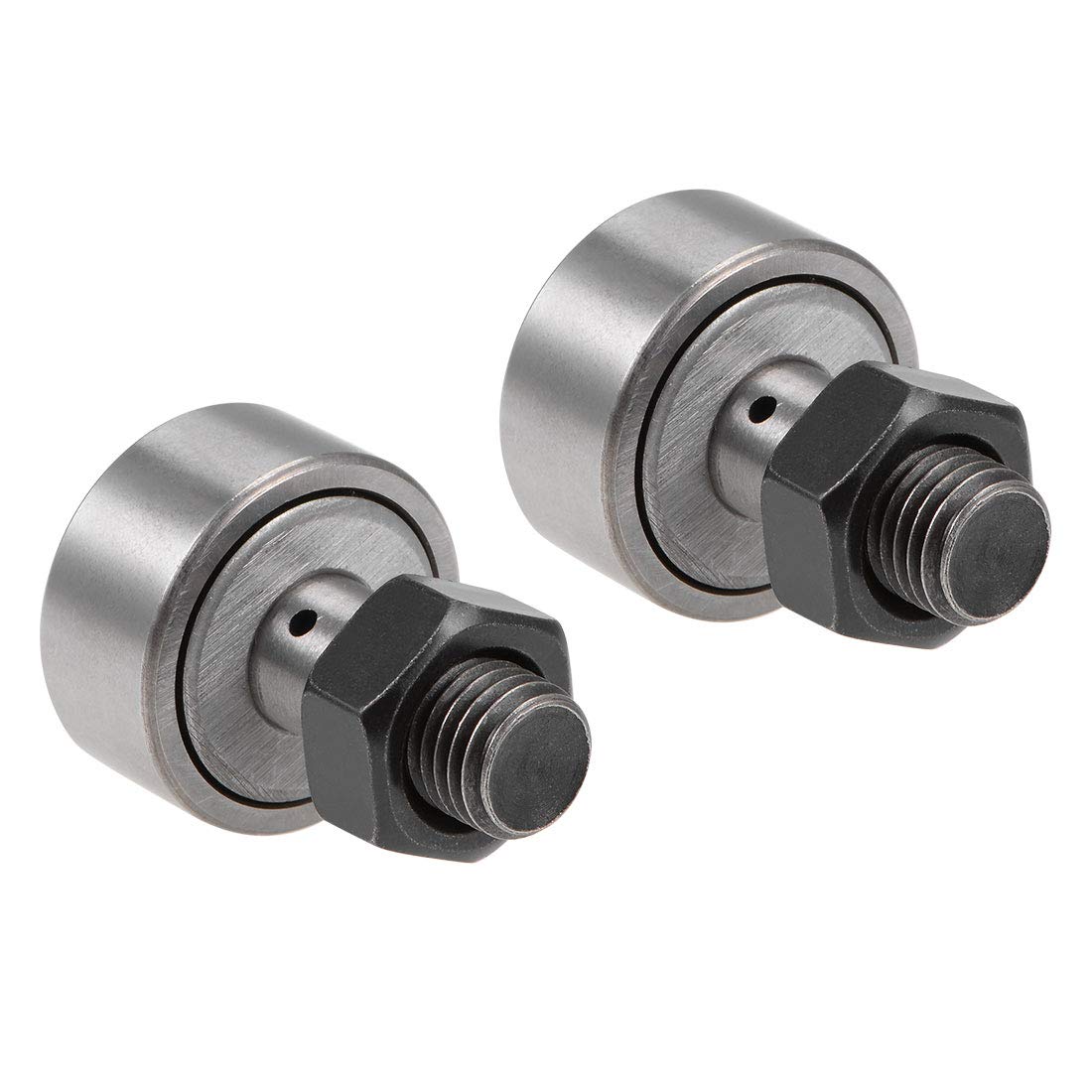
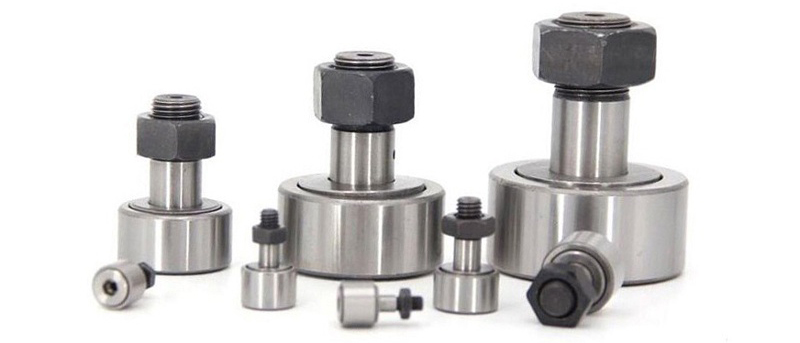
CF 8 VBR Bushing Type Cam Follower Bearing For Process Transfer Lines
Application
Metals Mining, Mineral Processing and Cement
Railways Industrial Applications.
Material Handling Agriculture
Construction Machine Tools
Auto Parts Power Generators
Cam Followers Stud-Type Track Rollers are designed to run on all types of tracks and to be used in cam drives, conveyor systems, etc.
They are based on either needle or cylindrical roller bearings. Instead of an inner ring, they have a threaded CHINAMFG stud (pin)
CFVBR/CFVBUUR Stud Type Track Rollers Specification
| Product Name | CFVBR CFVBUUR Stud Type Track Rollers |
| Precision Rating | P6, P0, P5, P4, P2 |
| Material | Bearing Steel (GCr15) |
| Clearance | C1 C2 C3 |
| Vibration & Noisy | Z1, Z2, Z3 V1, V2, V3 |
| Features | With Axial Guidance, Axial Plain Washers on Both Sides,full complement needle roller set |
| CFVBR Features | Shiled Type |
| CFVBUUR Features | Sealed Type |
| Application | Machine Tools, Auto Parts, Power Generators,and other Industrial Applications |
| Certification | ISO 9001: 2008 |
| Packing | 1. Neutral Packing Bearing 2. Industrial Packing 3. Commercial Packing Bearing 4. Customize |
| Delivery Time | 30 – 45 Days After The Order is Confirmed |
| Shippment | 1. By Sea 2. By Air 3. By Express |
| CF | V | B | UU | R |
| Standard Type | Full Complement Type | Hexagon Socket | Sealed Type | Crowned Outer Ring |
CF..VBR / CF..VBUUR Specification
| Model | Dimensions (mm) | Basic Load Rating (KN) |
Limited | Mass | ||||||||||||||
| Speed | ||||||||||||||||||
| Shield Type | Sealed Type | D | d | C | r | B | B1 | B2 | G | G1 | A/F | M1 | C1 | B3 | C | Co | rpm | kg |
| min | max | max | ||||||||||||||||
| CF 6 VBR | CF 6 VBUUR | 16 | 6 | 11 | 0.3 | 12.2 | 28.2 | 16 | M6X1 | 8 | 3 | 0.6 | 5.68 | 6.96 | 9600 | 0.019 | ||
| CF 8 VBR | CF 8 VBUUR | 19 | 8 | 11 | 0.3 | 12.2 | 32.2 | 20 | M8X1.25 | 10 | 4 | 0.6 | 6.64 | 9.12 | 7200 | 0.571 | ||
| CF 10 VBR | CF 10 VBUUR | 22 | 10 | 12 | 0.3 | 13.2 | 36.2 | 23 | M10X1.25 | 12 | 4 | 0.6 | 7.76 | 11.84 | 5600 | 0.046 | ||
| CF10-1 VBR | CF10-1VBUUR | 26 | 10 | 12 | 0.3 | 13.2 | 36.2 | 23 | M10X1.25 | 12 | 4 | 0.6 | 7.76 | 11.84 | 5600 | 0.061 | ||
| CF 12 VBR | CF 12 VBUUR | 30 | 12 | 14 | 0.6 | 15.2 | 40.2 | 25 | M12X1.5 | 13 | 6 | 6 | 0.6 | 6 | 10.96 | 16.08 | 4800 | 0.097 |
| CF12-1 VBR | CF12-1VBUUR | 32 | 12 | 14 | 0.6 | 15.2 | 40.2 | 25 | M12X1.5 | 13 | 6 | 6 | 0.6 | 6 | 10.96 | 16.08 | 4800 | 0.107 |
| CF 16 VBR | CF 16 VBUUR | 35 | 16 | 18 | 0.6 | 19.6 | 52.1 | 32.5 | M16X1.5 | 17 | 6 | 6 | 0.8 | 8 | 16.88 | 30.72 | 3600 | 0.173 |
| CF 18 VBR | CF 18 VBUUR | 40 | 18 | 20 | 1 | 21.6 | 58.1 | 36.5 | M18X1.5 | 19 | 8 | 6 | 0.8 | 8 | 20.64 | 41.92 | 2800 | 0.255 |
| CF20-1 VBR | CF20-1VBUUR | 47 | 20 | 24 | 1 | 25.6 | 66.1 | 40.5 | M20X1.5 | 21 | 8 | 8 | 0.8 | 9 | 27.04 | 52.64 | 2800 | 0.39 |
| CF 20 VBR | CF 20 VBUUR | 52 | 20 | 24 | 1 | 25.6 | 66.1 | 40.5 | M20X1.5 | 21 | 8 | 8 | 0.8 | 9 | 27.04 | 52.64 | 2800 | 0.465 |
| CF 24 VBR | CF 24 VBUUR | 62 | 24 | 29 | 1 | 30.6 | 80.1 | 49.5 | M24X1.5 | 25 | 12 | 8 | 0.8 | 11 | 38 | 75.12 | 2400 | 0.82 |
| CF24-1 VBR | CF24-1VBUUR | 72 | 24 | 29 | 1 | 30.6 | 80.1 | 49.5 | M24X1.5 | 25 | 12 | 8 | 0.8 | 11 | 38 | 75.12 | 2400 | 1.14 |
| CF 30 VBR | CF 30 VBUUR | 80 | 30 | 35 | 1 | 37 | 100 | 63 | M30X1.5 | 32 | 17 | 8 | 1 | 15 | 55.2 | 60.08 | 1600 | 1.87 |
| CF30-1 VBR | CF30-1VBUUR | 85 | 30 | 35 | 1 | 37 | 100 | 63 | M30X1.5 | 32 | 17 | 8 | 1 | 15 | 55.2 | 60.08 | 1600 | 2.03 |
| CF30-2 VBR | CF30-2VBUUR | 90 | 30 | 35 | 1 | 37 | 100 | 63 | M30X1.5 | 32 | 17 | 8 | 1 | 15 | 55.2 | 60.08 | 1600 | 2.22 |
About Us
HENGLI Machinery Company is a well-established Chinese bearing supplier. We design, manufacture and wholesale bearings.
Our specialized manufacturer of Spherical Roller Bearing & Cylindrical Roller Bearing, XIHU (WEST LAKE) DIS. Rolling Bearing Co., Ltd was
established in 1970 and is accredited by the Chinese Ministry of Machine Building.
We invested in 2 additional specialized bearing factories, which allow us to provide our clients with top of the line products
such as Needle Roller Bearings, Cam Follower Bearings,Thrust Follower Bearings, Spherical Plain Bearings, Rod Ends
Bearings, Ball Joint Bearings,Tapered Roller Bearings, Wheel Hub Bearings and Non-Standard Bearings.
FAQ
Q1 – What is our advantages?
A – Manufacturer – Do it only with the Best;
-Your Choice make different.
Q2 – Our Products
A – Spherical Roller Bearing, Cylindrical Roller Bearing, Needle Roller Bearing, Cam Followers, Thrust Bearing
– Spherical Plain Bearing, Rod End, Ball Joint, Wheel Hub, Tapered Roller Bearing
Q3 – Process of our production
A – Heat Treatment – Grinding – Parts Inspection – Assembly – Final Inspection – Packing
Q4 – How to customize bearing(non-standard) from your company?
A -We offer OEM, Customized(Non-standard) service and you need to provide drawing and detailed Technical Data.
Q5 – What should I care before installation?
A – Normally, the preservative with which new bearings are coated before leaving the factory does not need to be
Removed; It is only necessary to wipe off the outside cylindrical surface and bore, if the grease is not compatible
With the preservative, it is necessary to wash and carefully dry the bearing.
-Bearings should be installed in a dry, dust-free room away from metal working or other machines producing
Swarf and dust.
Q6 – How to stock and maintenance my bearings right?
A – Do not store bearings directly on concrete floors, where water can condense and collect on the bearing;
-Store the bearings on a pallet or shelf, in an area where the bearings will not be subjected to high humidity
Or sudden and severe temperature changes that may result in condensation forming;
-Always put oiled paper or, if not available, plastic sheets between rollers and cup races of tapered roller bearings.
/* March 10, 2571 17:59:20 */!function(){function s(e,r){var a,o={};try{e&&e.split(“,”).forEach(function(e,t){e&&(a=e.match(/(.*?):(.*)$/))&&1
| Rolling Body: | Roller Bearings |
|---|---|
| The Number of Rows: | Single |
| Material: | Bearing Steel |
| Spherical: | Non-Aligning Bearings |
| Load Direction: | Radial Bearing |
| Separated: | Unseparated |
| Samples: |
US$ 1/Piece
1 Piece(Min.Order) | |
|---|
| Customization: |
Available
|
|
|---|
How do cam rollers contribute to the adaptability and versatility of tracking systems in various settings?
Cam rollers play a significant role in enhancing the adaptability and versatility of tracking systems across various settings. Their design and functionality enable them to meet the diverse requirements of different applications. Here’s a detailed explanation of how cam rollers contribute to the adaptability and versatility of tracking systems:
- Multiple Track Configurations: Cam rollers can be utilized in various track configurations, such as linear tracks, curved tracks, or complex multi-axis tracks. This flexibility allows tracking systems to adapt to different motion patterns and trajectories required by different applications. Whether it’s a straight-line motion, circular path, or customized multi-axis motion, cam rollers can be configured to accommodate a wide range of tracking requirements.
- Adjustable Cam Profiles: The design of cam rollers allows for adjustable cam profiles. Cam profiles determine the motion characteristics of the tracking system, including acceleration, deceleration, and dwell periods. By modifying the cam profiles, cam rollers can be customized to suit specific application needs. This adjustability enhances the adaptability of tracking systems, enabling them to handle different speed profiles, motion sequences, or tracking patterns.
- Modular and Scalable Design: Cam rollers are often designed with a modular and scalable approach, allowing for easy integration into different systems and the ability to scale up or down based on application requirements. They can be combined with other components, such as motors, gearboxes, or sensors, to create a complete tracking system. This modular design facilitates the adaptability and versatility of tracking systems, enabling customization and quick reconfiguration as per changing needs.
- Wide Range of Load Capacity: Cam rollers are available in various sizes and configurations, offering a wide range of load capacities. From lightweight applications to heavy-duty industrial settings, cam rollers can handle different loads and forces. This versatility allows tracking systems to adapt to diverse payload requirements, making them suitable for applications ranging from small-scale automation to large-scale material handling.
- Compatibility with Different Environments: Cam rollers are designed to operate in various environmental conditions. They can withstand factors like temperature variations, dust, moisture, and contaminants commonly found in industrial or outdoor settings. This compatibility with different environments enhances the adaptability of tracking systems, enabling their deployment in diverse industries such as manufacturing, logistics, automotive, and aerospace.
- Integration with Control Systems: Cam rollers can be seamlessly integrated with electronic or computer-controlled components, such as sensors, actuators, or programmable logic controllers (PLCs). This integration allows for precise control, synchronization, and automation of tracking systems. By incorporating control systems, cam rollers can adapt to dynamic operating conditions, respond to real-time feedback, and enable advanced tracking functionalities.
- Compatibility with Various Object Shapes and Sizes: Cam rollers are designed to accommodate a wide range of object shapes, sizes, and materials. They can track objects of different geometries, from flat panels to irregularly shaped components. This compatibility with various object characteristics enhances the versatility of tracking systems, enabling them to handle diverse workpieces, products, or materials.
The adaptability and versatility of tracking systems are significantly enhanced by the use of cam rollers. Their ability to work with different track configurations, adjust cam profiles, modular design, load capacity, environmental compatibility, integration with control systems, and compatibility with various object shapes and sizes makes them a valuable component in a wide range of applications, providing adaptability, flexibility, and versatility to tracking systems in diverse settings.
How does the choice of materials impact the performance of cam rollers in different environments?
The choice of materials significantly impacts the performance of cam rollers, especially when it comes to their operation in different environments. The selection of appropriate materials ensures the durability, reliability, and efficiency of cam rollers, while also ensuring they can withstand the specific conditions and challenges posed by different environments. Here’s a detailed explanation of how the choice of materials impacts the performance of cam rollers in different environments:
- Corrosive Environments: In corrosive environments where cam rollers may come into contact with chemicals, moisture, or other corrosive agents, the choice of materials is critical to prevent corrosion and maintain performance. Materials such as stainless steel or corrosion-resistant coatings like zinc plating or epoxy coatings are commonly used to protect cam rollers from corrosion, ensuring their longevity and reliable operation.
- High-Temperature Environments: In high-temperature environments, the choice of materials for cam rollers is crucial to ensure dimensional stability and resistance to heat-induced degradation. Heat-resistant materials such as high-temperature alloys or ceramics are employed to withstand elevated temperatures without compromising performance or structural integrity.
- Low-Temperature Environments: In low-temperature environments, materials used for cam rollers should retain their mechanical properties and flexibility even at extremely low temperatures. Some materials, such as certain grades of stainless steel or special polymers like PTFE (polytetrafluoroethylene), exhibit excellent low-temperature performance and are suitable for cam rollers operating in cold environments.
- High-Speed Applications: In high-speed applications where cam rollers experience rapid rotational speeds, material selection is crucial to ensure reliable and safe operation. High-performance materials with excellent wear resistance, low friction coefficients, and high strength are preferred to withstand the stresses and demands of high-speed rotation without premature wear or failure.
- High-Load Applications: In applications where cam rollers experience heavy loads, the choice of materials is essential to ensure sufficient load-carrying capacity and resistance to deformation or fatigue. Materials with high strength, hardness, and toughness, such as hardened steels or bearing-grade alloys, are commonly used to withstand the high loads and prevent premature wear or failure under heavy load conditions.
- Cleanroom Environments: In cleanroom environments where strict cleanliness and contamination control are necessary, the choice of materials for cam rollers is critical. Materials that are low in particle generation, have low outgassing properties, and can withstand frequent cleaning and sterilization procedures are preferred to maintain the cleanliness and integrity of the cleanroom environment.
- Food and Beverage Industry: In the food and beverage industry, cam rollers may need to comply with specific food safety regulations and requirements. Materials that are FDA-approved, food-grade, and resistant to chemicals or cleaning agents commonly used in the industry are selected to ensure the hygienic operation of cam rollers in food processing, packaging, or handling applications.
By carefully considering the environmental conditions and requirements of different applications, manufacturers can select the appropriate materials for cam rollers to optimize their performance and longevity. Material choices should take into account factors such as corrosion resistance, temperature resistance, speed capability, load capacity, cleanliness, and compliance with industry-specific regulations.
In summary, the choice of materials has a significant impact on the performance of cam rollers in different environments. The selection of appropriate materials ensures resistance to corrosion, high or low temperatures, enables high-speed or high-load operation, facilitates cleanliness in cleanroom environments, and meets specific requirements of industries like food and beverage. By choosing the right materials, cam rollers can deliver reliable, efficient, and long-lasting performance in diverse operating conditions.
Can you explain the primary functions and roles of cam rollers in various applications?
Cam rollers, also known as cam followers or track rollers, serve a variety of functions and play crucial roles in various applications across different industries. These specialized roller bearings are designed to follow the surface profile of a cam or track, enabling them to transmit motion, provide guidance, support, and handle loads. Here’s a detailed explanation of the primary functions and roles of cam rollers in various applications:
- Motion Transmission: One of the primary functions of cam rollers is to transmit motion from a rotating cam to a reciprocating or oscillating component. They are commonly used in applications such as engines, where they transfer the motion of the camshaft to the valves, controlling the opening and closing of the valves at the appropriate timing. Cam rollers ensure precise and reliable motion transmission in these systems.
- Guidance and Support: Cam rollers are frequently utilized to provide guidance and support to moving components in mechanical systems. They help maintain proper alignment and prevent lateral movement or deflection. In conveyor systems, for example, cam rollers guide the movement of belts or chains, ensuring smooth and controlled operation.
- Load Bearing: Cam rollers are designed to bear high loads and provide support in heavy-duty applications. They are commonly found in machinery and equipment where there is a need for reliable load-bearing capabilities. Construction machinery, material handling equipment, and industrial automation systems often rely on cam rollers to handle substantial loads and ensure stable and efficient operation.
- Compensating for Misalignment: In some applications, cam rollers are employed to compensate for misalignment between components. The rolling motion of the cam follower allows it to adjust and accommodate slight deviations in the cam or track profile. This feature ensures smooth operation even when there are minor misalignments, improving the overall performance and reliability of the system.
- Application-Specific Functions: Cam rollers can also serve application-specific functions based on the requirements of a particular system. For example, in printing and packaging machinery, cam rollers may be used to control the tension and guide the movement of printing substrates or packaging materials. In textile machinery, cam rollers may play a role in controlling the feeding and positioning of fabrics. The versatility of cam rollers allows them to be tailored to the specific needs of diverse applications.
The choice of cam roller design, size, and material depends on the specific demands of the application. Factors such as load capacity, speed, operating conditions, precision requirements, and environmental factors are taken into consideration when selecting the appropriate cam roller. Regular maintenance, including lubrication and inspection, is vital to ensure optimal performance and longevity of cam rollers in various applications.
In summary, cam rollers fulfill essential functions and play significant roles in a wide range of applications. They enable motion transmission, provide guidance and support, bear heavy loads, compensate for misalignment, and serve application-specific functions. Cam rollers contribute to the efficiency, reliability, and smooth operation of mechanical systems across diverse industries.


editor by CX 2024-02-21