Product Description
Radial Needle Roller and Cage Assembly is made of needle rollers and steel retainer. The rollers are 52100 bearing steel, precision ground, chromoly plated, as well as the cage can be black coated, bronze coated, and polished.
Model
K, KZK, KBK, KZW, KNL
Rollers
52100 Bearing Steel(optional: Stainless Steel)
Chromoly Plated
Retainer
Steel (optional: stainless steel)
Lubrication
Oil Lube
Q1: Can I get a free sample?
A1: We provide samples free in freight collected. For special samples requirement, please contact us for more details.
Q2: How could I pay?
A2: We prefer T/T or L/C at sight. If you prefer other payment terms, please contact us freely.
Q3: What is your brand and packing way? Can you produce my brand and packing?
A3: Our brand is CHINAMFG and our own packing materials. We can make your brand. For more details, please contact us.
Q4: What is the delivery lead time?
A4: It depends on the order quantities. The mass production lead time is about 45-60 days after receipt of the deposit.
Q5: Are you manufacturer or trading company?
A5: We are manufacturer and exporter. We provide all kinds of OEM services for clients around the world.
Q6: Where is your main market?
A6: We export to the North America, Mexico, Australia, South-east Asia, Europe, U.A.E., Turkey, and other countries.
Our Services
1. Professional QC and QA team to make sure all products qualified before shipping.
2. Competitive price.
3 .Standard package to ensure the safe transportation.
4. Professional service.
Why choose us?
1. Production
Qualified production, competitive price, professional service.
2. Quality
All products are inspected 100% before shipment by relative testing equipments.
/* March 10, 2571 17:59:20 */!function(){function s(e,r){var a,o={};try{e&&e.split(“,”).forEach(function(e,t){e&&(a=e.match(/(.*?):(.*)$/))&&1
| Cage: | With Cage |
|---|---|
| Rows Number: | Single |
| Load Direction: | Radial Bearing |
| Style: | Without Outer Ring, Without Inner Ring |
| Material: | Bearing Steel |
| Type: | Open |
| Samples: |
US$ 0/Set
1 Set(Min.Order) | |
|---|
| Customization: |
Available
|
|
|---|
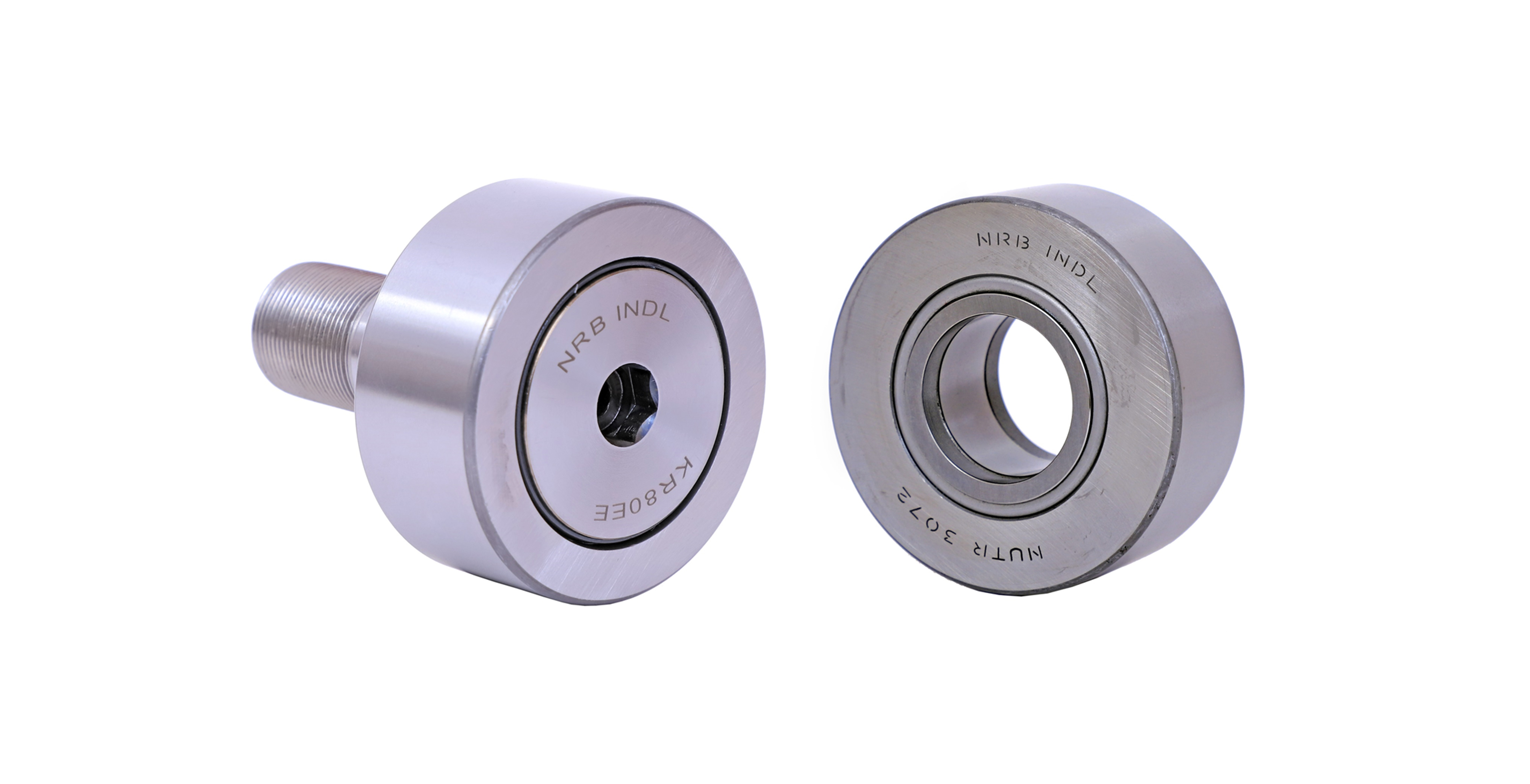
How do electronic or computer-controlled components integrate with cam rollers in modern applications?
In modern applications, electronic or computer-controlled components play a significant role in integrating with cam rollers to enhance functionality, precision, and automation. The integration of electronic or computer-controlled components with cam rollers enables advanced control, monitoring, and synchronization of the motion system. Here’s a detailed explanation of how electronic or computer-controlled components integrate with cam rollers in modern applications:
- Sensor Integration: Electronic sensors can be integrated with cam rollers to provide real-time feedback on various parameters such as position, speed, acceleration, and load. Position sensors, such as encoders or linear displacement sensors, can be used to precisely determine the position of the cam rollers and the objects or components they are tracking. This information can then be used for closed-loop control, ensuring accurate tracking and motion control.
- Control Systems: Electronic or computer-controlled systems can be employed to manage the operation of cam rollers. These control systems can receive input from sensors and use algorithms to calculate the desired motion profiles. They can then generate signals to drive motors or actuators that control the movement of the cam rollers. By integrating control systems, precise motion control, synchronization, and programmability can be achieved, enabling complex motion sequences and adaptive tracking capabilities.
- Communication Protocols: Electronic or computer-controlled components can utilize various communication protocols to exchange data and commands with other system components. For example, in industrial automation applications, cam rollers may be integrated into a larger control network using protocols such as Modbus, CAN bus, or Ethernet. This integration enables seamless communication, coordination, and synchronization with other components or systems, enhancing overall system performance and functionality.
- Human-Machine Interface (HMI): In applications where human interaction is involved, electronic or computer-controlled components can provide a user interface for monitoring and controlling the cam rollers. This interface can include touch screens, graphical displays, or control panels that allow operators to set parameters, monitor performance, and adjust settings as needed. The integration of HMIs with cam rollers simplifies operation, facilitates troubleshooting, and enhances user experience.
- Data Logging and Analysis: Electronic or computer-controlled components can capture and log data related to the operation of cam rollers and the overall tracking system. This data can include parameters such as position, speed, acceleration, forces, and system status. By analyzing this data, performance trends, anomalies, and optimization opportunities can be identified. The integration of data logging and analysis capabilities enables proactive maintenance, performance optimization, and continuous improvement of the cam roller system.
- Integration with Automation Systems: In automated systems, electronic or computer-controlled components can integrate cam rollers into the overall automation framework. This integration allows for seamless coordination with other automated processes, robotics, or material handling systems. By integrating cam rollers with automation systems, precise tracking, synchronized motion, and efficient production workflows can be achieved.
The integration of electronic or computer-controlled components with cam rollers brings advanced capabilities to modern applications. It enables precise control, adaptive tracking, real-time monitoring, data-driven optimization, and seamless integration with automation systems. This integration enhances the functionality, flexibility, and efficiency of cam roller systems, opening up possibilities for a wide range of applications in industries such as manufacturing, robotics, packaging, material handling, and more.
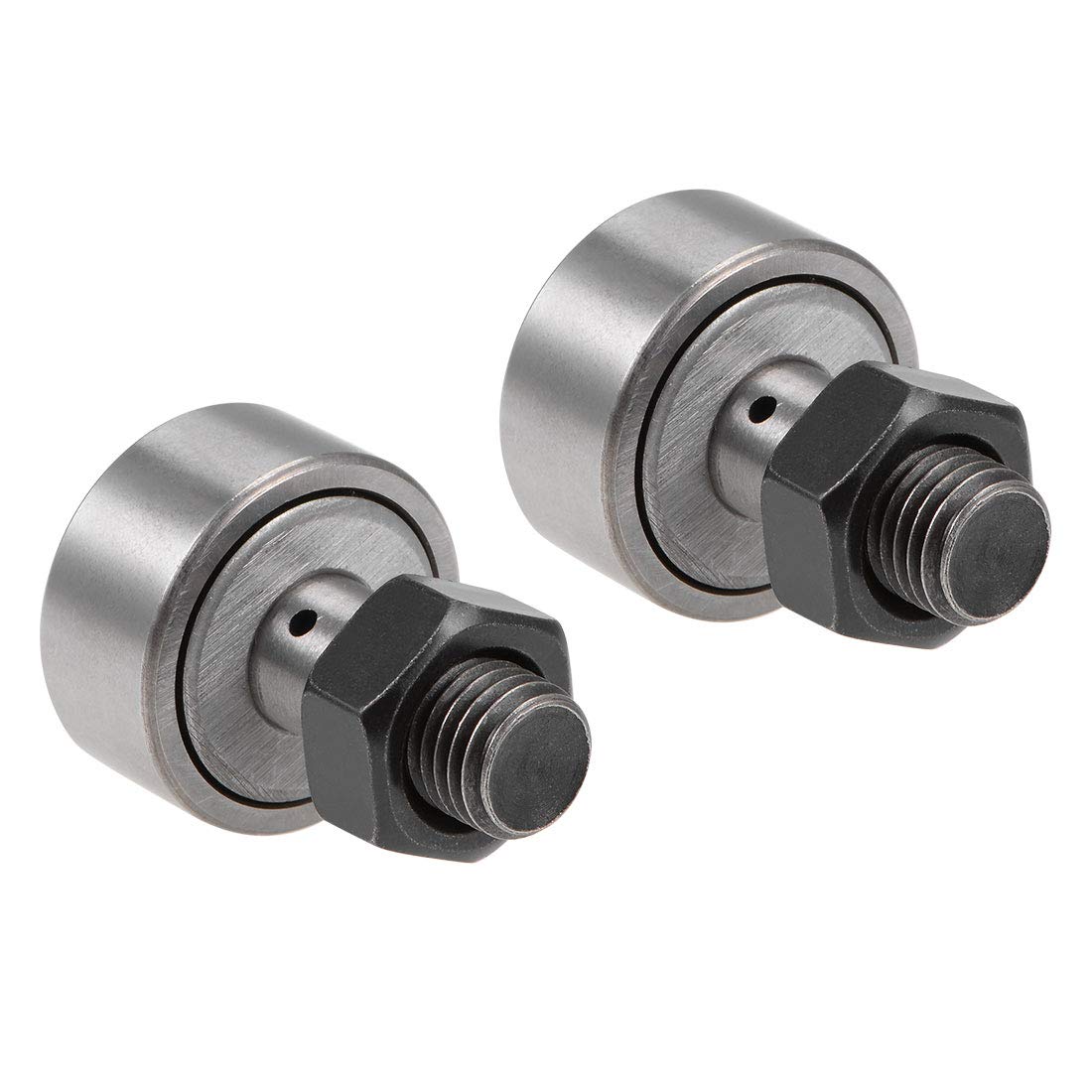
How does the choice of materials impact the performance of cam rollers in different environments?
The choice of materials significantly impacts the performance of cam rollers, especially when it comes to their operation in different environments. The selection of appropriate materials ensures the durability, reliability, and efficiency of cam rollers, while also ensuring they can withstand the specific conditions and challenges posed by different environments. Here’s a detailed explanation of how the choice of materials impacts the performance of cam rollers in different environments:
- Corrosive Environments: In corrosive environments where cam rollers may come into contact with chemicals, moisture, or other corrosive agents, the choice of materials is critical to prevent corrosion and maintain performance. Materials such as stainless steel or corrosion-resistant coatings like zinc plating or epoxy coatings are commonly used to protect cam rollers from corrosion, ensuring their longevity and reliable operation.
- High-Temperature Environments: In high-temperature environments, the choice of materials for cam rollers is crucial to ensure dimensional stability and resistance to heat-induced degradation. Heat-resistant materials such as high-temperature alloys or ceramics are employed to withstand elevated temperatures without compromising performance or structural integrity.
- Low-Temperature Environments: In low-temperature environments, materials used for cam rollers should retain their mechanical properties and flexibility even at extremely low temperatures. Some materials, such as certain grades of stainless steel or special polymers like PTFE (polytetrafluoroethylene), exhibit excellent low-temperature performance and are suitable for cam rollers operating in cold environments.
- High-Speed Applications: In high-speed applications where cam rollers experience rapid rotational speeds, material selection is crucial to ensure reliable and safe operation. High-performance materials with excellent wear resistance, low friction coefficients, and high strength are preferred to withstand the stresses and demands of high-speed rotation without premature wear or failure.
- High-Load Applications: In applications where cam rollers experience heavy loads, the choice of materials is essential to ensure sufficient load-carrying capacity and resistance to deformation or fatigue. Materials with high strength, hardness, and toughness, such as hardened steels or bearing-grade alloys, are commonly used to withstand the high loads and prevent premature wear or failure under heavy load conditions.
- Cleanroom Environments: In cleanroom environments where strict cleanliness and contamination control are necessary, the choice of materials for cam rollers is critical. Materials that are low in particle generation, have low outgassing properties, and can withstand frequent cleaning and sterilization procedures are preferred to maintain the cleanliness and integrity of the cleanroom environment.
- Food and Beverage Industry: In the food and beverage industry, cam rollers may need to comply with specific food safety regulations and requirements. Materials that are FDA-approved, food-grade, and resistant to chemicals or cleaning agents commonly used in the industry are selected to ensure the hygienic operation of cam rollers in food processing, packaging, or handling applications.
By carefully considering the environmental conditions and requirements of different applications, manufacturers can select the appropriate materials for cam rollers to optimize their performance and longevity. Material choices should take into account factors such as corrosion resistance, temperature resistance, speed capability, load capacity, cleanliness, and compliance with industry-specific regulations.
In summary, the choice of materials has a significant impact on the performance of cam rollers in different environments. The selection of appropriate materials ensures resistance to corrosion, high or low temperatures, enables high-speed or high-load operation, facilitates cleanliness in cleanroom environments, and meets specific requirements of industries like food and beverage. By choosing the right materials, cam rollers can deliver reliable, efficient, and long-lasting performance in diverse operating conditions.
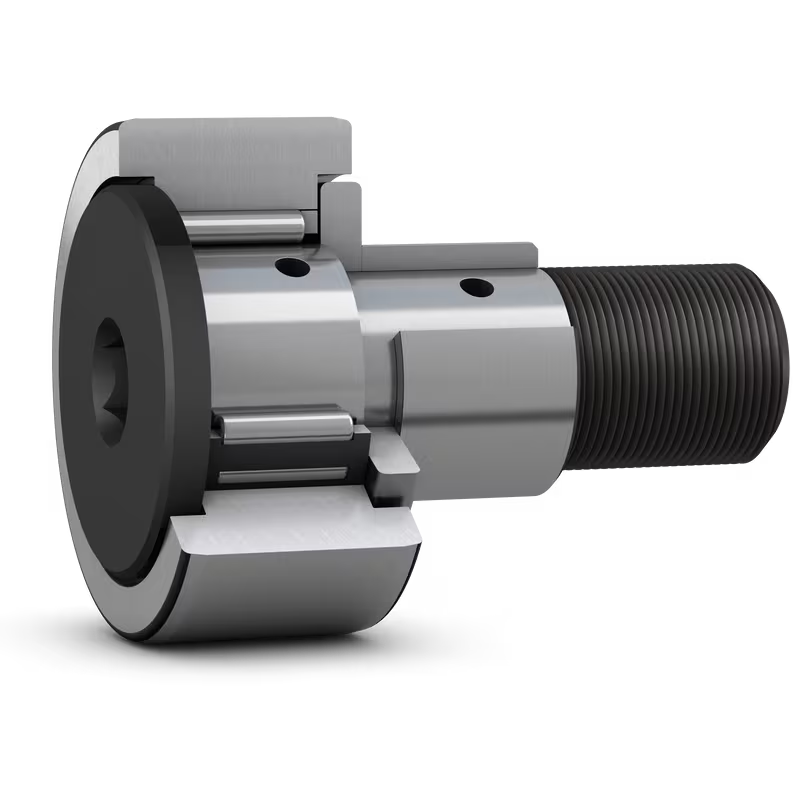
What is a cam roller, and how is it utilized in mechanical systems?
A cam roller, also known as a cam follower or track roller, is a specialized type of roller bearing used in mechanical systems. It is designed to follow the surface profile of a cam or track and transmit motion or force between the cam and a moving component. Here’s a detailed explanation of what a cam roller is and how it is utilized in mechanical systems:
A cam roller consists of a cylindrical roller, needle roller, or ball bearing that is mounted in a stud or yoke. The stud or yoke provides a means of attachment to the moving component of the mechanical system. The roller or bearing element is housed within a thick-walled outer ring, which serves as a guide and support for the roller. The outer ring has a profile that matches the shape of the cam or track over which the cam roller operates.
The primary function of a cam roller is to convert rotary motion into linear motion or vice versa. As the cam or track rotates, the cam roller follows the profile, causing the roller to move along the track. This motion can be utilized in various ways depending on the specific application. Here are some common uses of cam rollers in mechanical systems:
- Motion Transmission: Cam rollers are often used to transmit motion from a rotating cam to a reciprocating or oscillating component. For example, in engines, cam followers are used to transfer the motion of the camshaft to the valves, opening and closing them at the appropriate timing.
- Guiding and Support: Cam rollers can also provide guidance and support to moving components in a mechanical system. They help maintain proper alignment and prevent lateral movement or deflection. This is particularly useful in applications such as conveyor systems, where cam rollers guide the movement of belts or chains.
- Load Bearing: Cam rollers are designed to withstand high loads and provide support to heavy-duty applications. They are often used in machinery and equipment where there is a need for reliable load-bearing capabilities. Examples include construction machinery, material handling equipment, and industrial automation systems.
- Compensating for Misalignment: In some applications, cam rollers are utilized to compensate for misalignment between components. The rolling motion of the cam follower allows it to adjust and accommodate slight deviations in the cam or track profile, ensuring smooth operation even in imperfect conditions.
The choice of cam roller design, size, and material depends on the specific requirements of the application. Factors such as load capacity, speed, operating conditions, and precision requirements are taken into consideration when selecting the appropriate cam roller. Regular maintenance, including lubrication and inspection of the cam roller, is important to ensure its proper functioning and longevity in the mechanical system.
In summary, a cam roller is a specialized type of roller bearing used in mechanical systems to transmit motion, provide guidance and support, bear loads, and compensate for misalignment. Its ability to follow the profile of a cam or track allows for efficient conversion of rotary motion to linear motion or vice versa. Cam rollers find application in a wide range of industries and play a crucial role in ensuring the smooth and reliable operation of mechanical systems.


editor by CX 2024-02-22