Product Description
LFR 50/5-4 N U Groove Tungsten Carbide Wire Straightening Rollers Rolling Bearing Tube Straightening Roller Sheet Metal Straightening Rollers
Product Description
This bearing is custom-designed for bearing steel, dimensional accuracy are very good, suitable for high-precision, high-speed, high-load components.
This roller mainly used for wire cutting molybdenum wire and other wire guide wheel guide wheel assembly. Please confirm the purchase.
Different shapes of materials are suitable for the straightening wheel groove type, the linear type is suitable for V groove, the bar material is suitable for U groove, and the rectangular flat material is suitable for H groove.
We offer customed service according to your drawing.
Our Advantages
Name:Wire Straightening Rollers
Material: Bearing steel
Pakage: 5pcs with carton
ID*OD*Height:
Groove: U/V
Weight:0.3kgs
Usage:Part of wire straightener/guide roller
Product Parameters
Model description:
10x32x9 V4x1.5=10x32x9 represents inner diameter 10mm* outer diameter 32mm* height 9mm, V4x1.5 represents V groove, groove width 4mm, groove depth 1.5mm
|
Inner diameter*outer diameter*height(mm) |
Groove |
Material |
Groove Width(mm) |
Groove depth(mm) |
|
10x32x9 |
V/U |
Bearing steel |
4 |
1.5 |
|
10X35X9 |
V |
Bearing steel |
5 |
2 |
|
10x40x14 |
U |
Bearing steel |
8 |
Detailed Photos
Certifications
Related Procucts
Company Profile
ZheJiang QiPang Industrial Co., Ltd. Founded in 2008, with 13 years of experience, is a research and development, production, sales of wire straightening cutting machine, bending machine, molding machine, copper pipe cutting machine equipment as 1 of the large machinery manufacturing enterprises. We believe that quality is survival, so we only provide you the best products. High quality products, in line with international standards, well received by domestic and foreign customers. All staff in our company are professionally trained, so we can recommend the most suitable equipment for you. Every machine has to pass strict inspection before it goes out. Any questions about the machine will be answered within 24 hours. Welcome to be our new customer! ZheJiang Qi Pang Industrial Co., LTD. specializes in producing wire straightening machine and cutting machine with advanced production technology, modern production mode, complete varieties and diverse styles. We can provide you with not only the nice quality products but also the great services.
Packaging & Shipping
FAQ
Q1: Are you a factory or trading company?
We are a factory . We can promise you a short lead time and best price if you purchase our machine. We also have our own trading department.
Q2: How does the factory ensure products quality?
With Nearly 16 years experience in manufacturing winding machine, we have our own technology develop department and testing department.
Quality is the first priority. We have strict purchasing system to ensure the quality of spare parts. We have experienced workers to assemble and test machine.
Q3:How about your after-sale service?
We have a professional technology supporting team for your timely services. You can get the help you need in time by telephone, webcam, online chat (Google talk, Facebook, Skype). Please contact us once the machine has any problem. Best service will be offered.
Q4: What are your payment terms?
100%TT or prepaid 50% , balance 50% before shipping.
Q5: How can I get my order? How can I know you sent the goods?
We will send the goods by UPS, DHL, FedEx or sea shipment. After we sent the goods, we will give you the tracking number or other relative files for checking.
Q6 : Will you send the installed machine or machine parts?
We will install the machine and test the machine before delivery. And the machine can be used directly after receiving the
machine.
Q7: Will you provide operation guidance for us?
We will send the instruction book with the machine and send you a video about how to operate the machine.
Q8 : How long is the warranty period?
12 months warranty, we will send you free spare parts by air within 1 week if there are any quality problems
/* March 10, 2571 17:59:20 */!function(){function s(e,r){var a,o={};try{e&&e.split(“,”).forEach(function(e,t){e&&(a=e.match(/(.*?):(.*)$/))&&1
| After-sales Service: | 1year |
|---|---|
| Type: | CNC |
| Usage: | Wire, Straightening and Cutting |
| Customization: |
Available
|
|
|---|
.shipping-cost-tm .tm-status-off{background: none;padding:0;color: #1470cc}
|
Shipping Cost:
Estimated freight per unit. |
about shipping cost and estimated delivery time. |
|---|
| Payment Method: |
|
|---|---|
|
Initial Payment Full Payment |
| Currency: | US$ |
|---|
| Return&refunds: | You can apply for a refund up to 30 days after receipt of the products. |
|---|
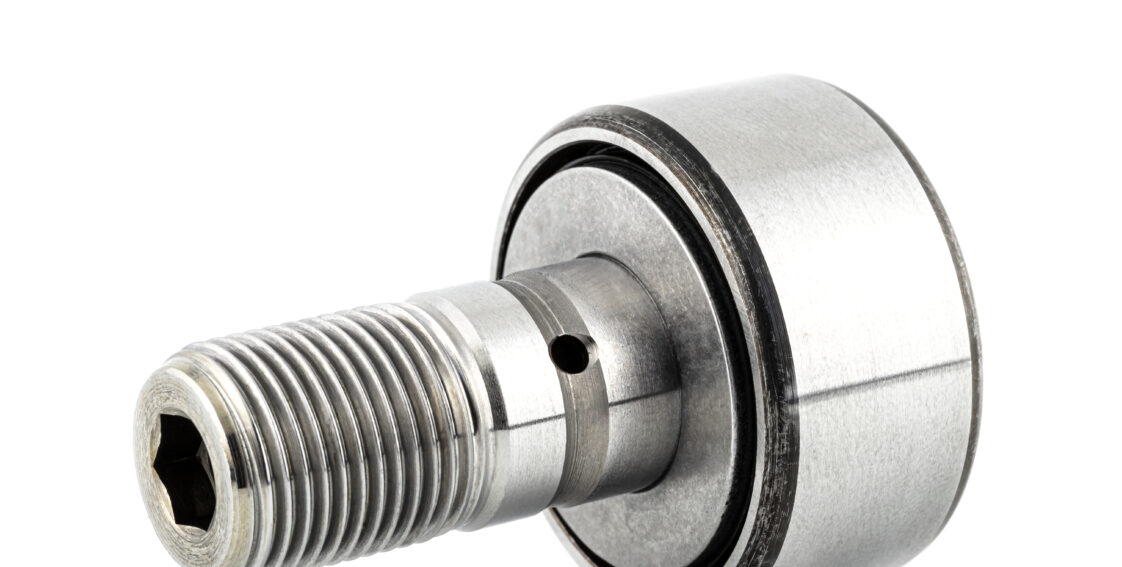
What safety considerations should be taken into account when using cam rollers in industrial settings?
When using cam rollers in industrial settings, several safety considerations should be taken into account to ensure the well-being of personnel, prevent accidents, and maintain a safe working environment. Here are some important safety considerations when using cam rollers:
- Proper Guarding: Cam rollers should be properly guarded to prevent accidental contact with moving parts. Depending on the specific application and the level of exposure, appropriate guarding measures such as barriers, enclosures, or safety covers should be in place to protect operators and other personnel from potential hazards associated with rotating cam rollers.
- Lockout/Tagout Procedures: Before performing maintenance or repair tasks on cam rollers or associated equipment, appropriate lockout/tagout procedures should be followed. Lockout/tagout procedures help ensure that energy sources are isolated, machinery is de-energized, and appropriate warning devices are in place to prevent unintentional startup or release of stored energy, minimizing the risk of injury.
- Training and Awareness: Adequate training should be provided to operators and maintenance personnel working with cam rollers. They should be trained on safe operating procedures, potential hazards, emergency protocols, and proper use of personal protective equipment (PPE). Regular refresher training sessions and ongoing awareness programs can help reinforce safe practices and promote a safety-conscious culture.
- Risk Assessment: Conducting a thorough risk assessment specific to the application and environment is crucial. Identify potential hazards associated with cam rollers, such as pinch points, entanglement risks, or flying debris. Assess the severity of each hazard and implement appropriate control measures to mitigate the risks, such as installing physical barriers, implementing safety interlocks, or providing warning signage.
- Maintenance and Inspections: Regular maintenance and inspections of cam rollers are essential for identifying and addressing any issues that may compromise safety. Inspect the rollers, bearings, tracks, and associated components for signs of wear, damage, or misalignment. Follow manufacturer recommendations for maintenance intervals, lubrication schedules, and component replacements to ensure the safe and reliable operation of cam rollers.
- Proper Load Handling: Ensure that cam rollers are not subjected to loads or forces beyond their specified capacity. Overloading cam rollers can lead to premature wear, component failure, or dangerous conditions. Consider the weight, size, and distribution of the load being tracked and ensure that the cam rollers and associated components are designed to handle the applied loads safely.
- Proper Installation and Alignment: Follow proper installation procedures and ensure accurate alignment of cam rollers. Improper installation or misalignment can result in unexpected movements, excessive friction, or component failures, posing safety risks. Adhere to manufacturer guidelines and recommended alignment procedures to ensure safe and reliable operation.
- PPE Usage: Personal protective equipment (PPE) should be provided and used appropriately by personnel working with or in the vicinity of cam rollers. Depending on the specific hazards involved, PPE such as safety glasses, gloves, hearing protection, or safety shoes may be required to mitigate the risk of injuries due to flying debris, contact with moving parts, noise exposure, or other potential hazards.
It is important to consult relevant safety regulations, industry standards, and guidelines specific to the application and location to ensure full compliance with safety requirements when using cam rollers in industrial settings. Regular safety audits, hazard assessments, and open communication with personnel can help identify and address potential safety concerns, creating a safer working environment for everyone involved.
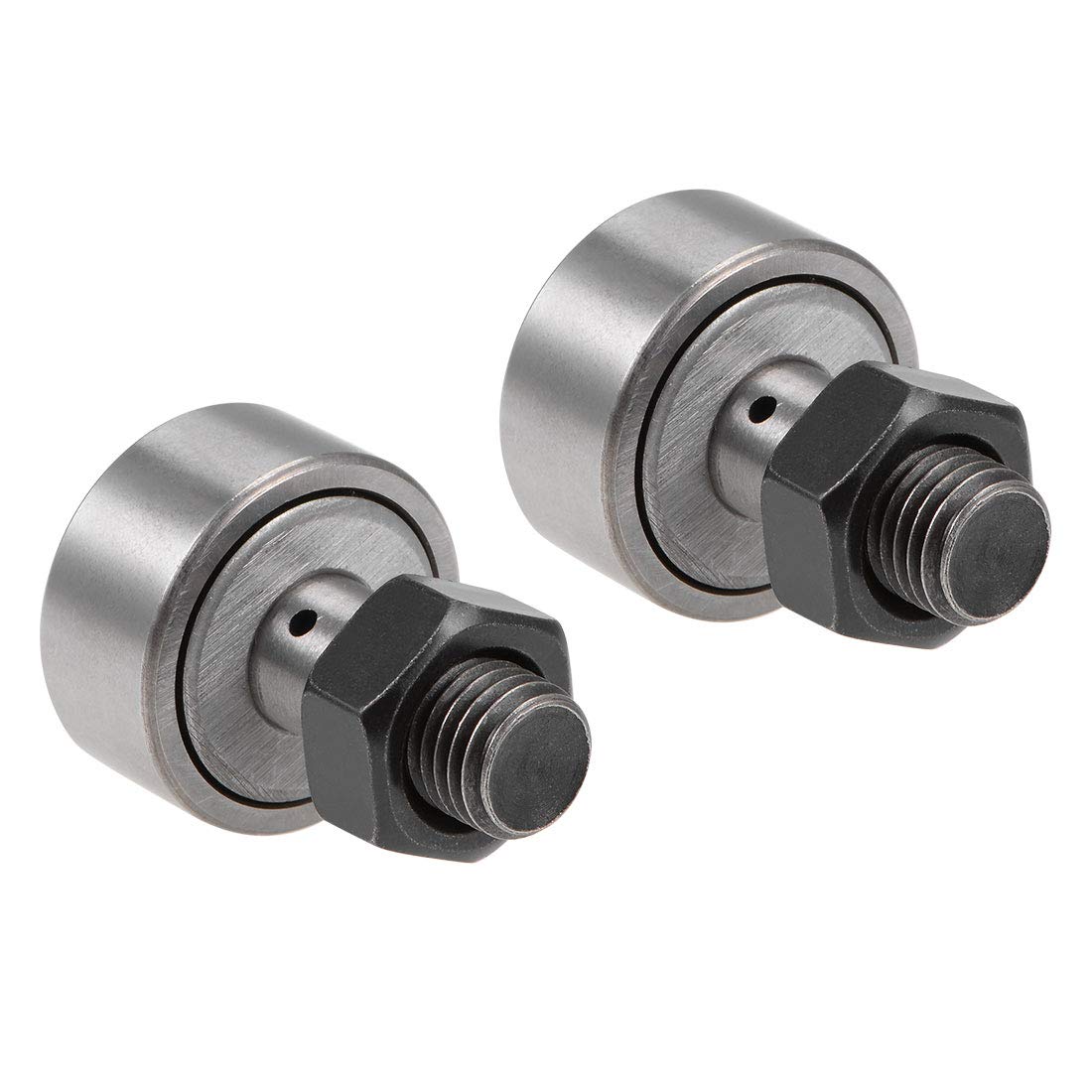
How does the choice of materials impact the performance of cam rollers in different environments?
The choice of materials significantly impacts the performance of cam rollers, especially when it comes to their operation in different environments. The selection of appropriate materials ensures the durability, reliability, and efficiency of cam rollers, while also ensuring they can withstand the specific conditions and challenges posed by different environments. Here’s a detailed explanation of how the choice of materials impacts the performance of cam rollers in different environments:
- Corrosive Environments: In corrosive environments where cam rollers may come into contact with chemicals, moisture, or other corrosive agents, the choice of materials is critical to prevent corrosion and maintain performance. Materials such as stainless steel or corrosion-resistant coatings like zinc plating or epoxy coatings are commonly used to protect cam rollers from corrosion, ensuring their longevity and reliable operation.
- High-Temperature Environments: In high-temperature environments, the choice of materials for cam rollers is crucial to ensure dimensional stability and resistance to heat-induced degradation. Heat-resistant materials such as high-temperature alloys or ceramics are employed to withstand elevated temperatures without compromising performance or structural integrity.
- Low-Temperature Environments: In low-temperature environments, materials used for cam rollers should retain their mechanical properties and flexibility even at extremely low temperatures. Some materials, such as certain grades of stainless steel or special polymers like PTFE (polytetrafluoroethylene), exhibit excellent low-temperature performance and are suitable for cam rollers operating in cold environments.
- High-Speed Applications: In high-speed applications where cam rollers experience rapid rotational speeds, material selection is crucial to ensure reliable and safe operation. High-performance materials with excellent wear resistance, low friction coefficients, and high strength are preferred to withstand the stresses and demands of high-speed rotation without premature wear or failure.
- High-Load Applications: In applications where cam rollers experience heavy loads, the choice of materials is essential to ensure sufficient load-carrying capacity and resistance to deformation or fatigue. Materials with high strength, hardness, and toughness, such as hardened steels or bearing-grade alloys, are commonly used to withstand the high loads and prevent premature wear or failure under heavy load conditions.
- Cleanroom Environments: In cleanroom environments where strict cleanliness and contamination control are necessary, the choice of materials for cam rollers is critical. Materials that are low in particle generation, have low outgassing properties, and can withstand frequent cleaning and sterilization procedures are preferred to maintain the cleanliness and integrity of the cleanroom environment.
- Food and Beverage Industry: In the food and beverage industry, cam rollers may need to comply with specific food safety regulations and requirements. Materials that are FDA-approved, food-grade, and resistant to chemicals or cleaning agents commonly used in the industry are selected to ensure the hygienic operation of cam rollers in food processing, packaging, or handling applications.
By carefully considering the environmental conditions and requirements of different applications, manufacturers can select the appropriate materials for cam rollers to optimize their performance and longevity. Material choices should take into account factors such as corrosion resistance, temperature resistance, speed capability, load capacity, cleanliness, and compliance with industry-specific regulations.
In summary, the choice of materials has a significant impact on the performance of cam rollers in different environments. The selection of appropriate materials ensures resistance to corrosion, high or low temperatures, enables high-speed or high-load operation, facilitates cleanliness in cleanroom environments, and meets specific requirements of industries like food and beverage. By choosing the right materials, cam rollers can deliver reliable, efficient, and long-lasting performance in diverse operating conditions.
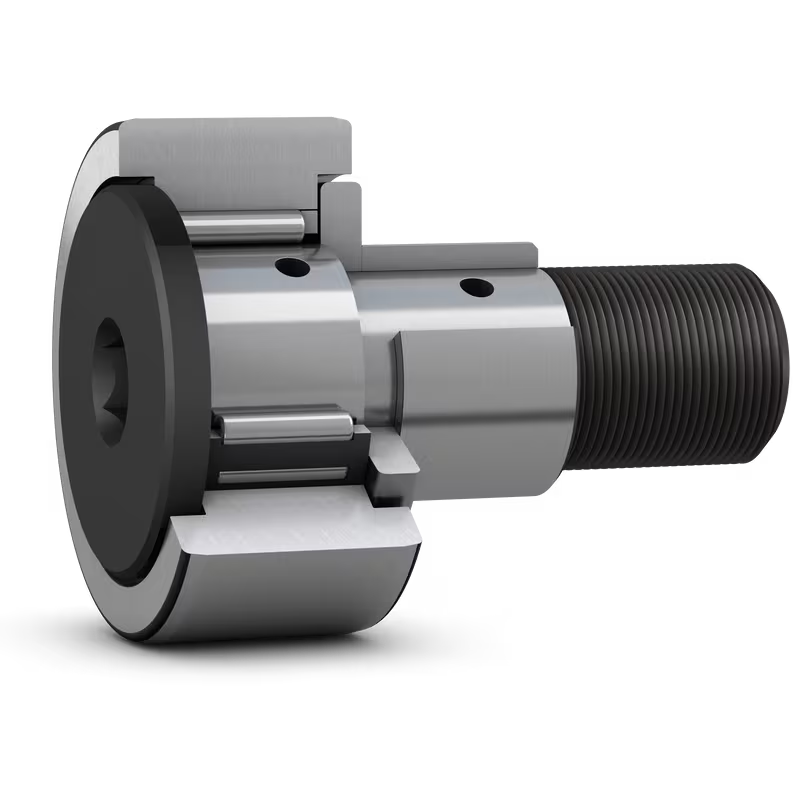
What is a cam roller, and how is it utilized in mechanical systems?
A cam roller, also known as a cam follower or track roller, is a specialized type of roller bearing used in mechanical systems. It is designed to follow the surface profile of a cam or track and transmit motion or force between the cam and a moving component. Here’s a detailed explanation of what a cam roller is and how it is utilized in mechanical systems:
A cam roller consists of a cylindrical roller, needle roller, or ball bearing that is mounted in a stud or yoke. The stud or yoke provides a means of attachment to the moving component of the mechanical system. The roller or bearing element is housed within a thick-walled outer ring, which serves as a guide and support for the roller. The outer ring has a profile that matches the shape of the cam or track over which the cam roller operates.
The primary function of a cam roller is to convert rotary motion into linear motion or vice versa. As the cam or track rotates, the cam roller follows the profile, causing the roller to move along the track. This motion can be utilized in various ways depending on the specific application. Here are some common uses of cam rollers in mechanical systems:
- Motion Transmission: Cam rollers are often used to transmit motion from a rotating cam to a reciprocating or oscillating component. For example, in engines, cam followers are used to transfer the motion of the camshaft to the valves, opening and closing them at the appropriate timing.
- Guiding and Support: Cam rollers can also provide guidance and support to moving components in a mechanical system. They help maintain proper alignment and prevent lateral movement or deflection. This is particularly useful in applications such as conveyor systems, where cam rollers guide the movement of belts or chains.
- Load Bearing: Cam rollers are designed to withstand high loads and provide support to heavy-duty applications. They are often used in machinery and equipment where there is a need for reliable load-bearing capabilities. Examples include construction machinery, material handling equipment, and industrial automation systems.
- Compensating for Misalignment: In some applications, cam rollers are utilized to compensate for misalignment between components. The rolling motion of the cam follower allows it to adjust and accommodate slight deviations in the cam or track profile, ensuring smooth operation even in imperfect conditions.
The choice of cam roller design, size, and material depends on the specific requirements of the application. Factors such as load capacity, speed, operating conditions, and precision requirements are taken into consideration when selecting the appropriate cam roller. Regular maintenance, including lubrication and inspection of the cam roller, is important to ensure its proper functioning and longevity in the mechanical system.
In summary, a cam roller is a specialized type of roller bearing used in mechanical systems to transmit motion, provide guidance and support, bear loads, and compensate for misalignment. Its ability to follow the profile of a cam or track allows for efficient conversion of rotary motion to linear motion or vice versa. Cam rollers find application in a wide range of industries and play a crucial role in ensuring the smooth and reliable operation of mechanical systems.


editor by CX 2024-01-15