Product Description
CF1/2B CCFE1/2 CCFH1/2 CCFH1/2B CF1/2N CF1/2NB CCF1/2NB CFE1/2NB CCFE1/2NB CF9/16 CF9/16B CCF9/16B CFE9/16 CFE9/16B CCFE9/16B CFH9/16 CFH9/16B CCFH9/16 CCFH9/16B CF1/2S CF1/2SB CCF1/2S CFE1/2S CCFE1/2S CFH1/2S CCFH1/2S CCFH1/2SB CF1/2NS CF1/2NSB CCF1/2NS CCF1/2NSB CFE1/2NS CFE1/2NSB CCFE1/2NS CCFE1/2NSB CF9/16S CF9/16SB CCF9/16S CCF9/16SB CFE9/16S CFE9/16SB CCFE9/16S CCFE9/16SB CFH9/16S CFH9/16SB CCFH9/16S CCFH9/16SB CF1/2B CCF1/2 CFE1/2 CFH1/2 CCFH1/2 CCFH1/2B CF1/2N CF1/2NB CCF1/2NB CFE1/2NB CCFE1/2NB CF9/16 CF9/16B CCF9/16B CFE9/16 CFE9/16B CCFE9/16B CFH9/16 CFH9/16B CCFH9/16 CCFH9/16B CF1/2S CF1/2SB CCF1/2S CCFH1/2S CCFH1/2SB CF1/2NS CF1/2NSB CCF1/2NS CCF1/2NSB CFE1/2NS CFE1/2NSB CCFE1/2NS CCFE1/2NSB CF9/16S CF9/16SB CCF9/16S CCF9/16SB CFE9/16S CFE9/16SB CCFE9/16S CCFE9/16SB CFH9/16S CFH9/16SB CCFH9/16S CCFH9/16SB CF5/8B CCF5/8 CCF5/8B CFE5/8 CFE5/8B CCFE5/8 CCFE5/8B CFH5/8 CCFH5/8 CCFH5/8B CF5/8N CF5/8NB CCF5/8N CCF5/8NB CCFE5/8N CF11/16 CF11/16B CF11/16B CCF11/16B CFE11/16 CFE11/16B CCFE11/16 CCFE11/16B CFH11/16 CFH11/16B CCFH11/16 CCFH11/16B CF5/8S CF5/8SB CCF5/8S CCF5/8SB CFE5/8S CFE5/8SB CCFE5/8S CCFE5/8SB CFH5/8S CCFH5/8S CCFH5/8SB CF5/8NS CF5/8NSB CCF5/8NS CCF5/8NSB CF11/16S CF11/16SB CCF11/16S CCF11/16SB CFE11/16S CFE11/16SB CCFE11/16S CCFE11/16SB CFH11/16S CFH11/16SB CCFH11/16S CCFH11/16SB CF5/8B CCF5/8 CCF5/8B CFE5/8 CFE5/8B CCFE5/8 CCFE5/8B CCFH5/8 CCFH5/8B CF5/8N CF5/8NB CCF5/8N CCF5/8NB CCFE5/8N CF11/16 CF11/16B CCF11/16B CFE11/16 CFE11/16B CCFE11/16 CCFE11/16B CFH11/16 CFH11/16B CCFH11/16 CCFH11/16B CF5/8S CF5/8SB CCF5/8S CCF5/8SB CFE5/8S CFE5/8SB CCFE5/8S CCFE5/8SB CCFH5/8S CCFH5/8SB CF5/8NSB CCF5/8NS CCF5/8NSB CF11/16S CF11/16SB CCF11/16S CFE11/16S CFE11/16SB CCFE11/16S CCFE11/16SB CFH11/16S CFH11/16SB CCFH11/16S CCFH11/16SB CF3/4B CCFE3/4 CCFE3/4B CCFH3/4 CCFH3/4B CF7/8B CCF7/8 CCF7/8B CF3/4S CF3/4SB CCFE3/4S CCFE3/4SB CCFH3/4S CCFH3/4SB CF7/8S CF7/8SB CCF7/8S CCF7/8SB CCFE7/8S CCFE7/8SB CFH7/8S CFH7/8SB CCFH7/8S CCFH7/8SB CF3/4B CCFH3/4 CCFH3/4B CF7/8B CCF7/8 CCF7/8B CCFE7/8 CCFE7/8B CFH7/8 CFH7/8B CCFH7/8 CCFH7/8B CFE7/8S CF3/4 CCF3/4B CF7/8 CF1 CF1B CCF1B CCFE1B CFH1B CCFH1 CCFH1B CF1 1/8 CF1 1/8B CCFH1 1/8 CCFH1 1/8B CF1S CF1SB CCF1S CFE1S CFE1SB CCFE1S CCFE1SB CFH1S CFH1SB
OUR PROMISES
Product quality standards are guaranteed. Our products have got ISO 9001 & CE international quality management system. They all produced with best advanced technology.We are proactive and we offer only products complying with top standards of quality and warranty.
/* January 22, 2571 19:08:37 */!function(){function s(e,r){var a,o={};try{e&&e.split(“,”).forEach(function(e,t){e&&(a=e.match(/(.*?):(.*)$/))&&1
| Cage: | With Cage |
|---|---|
| Rows Number: | Double |
| Load Direction: | Thrust Bearing |
| Style: | With Outer Ring |
| Material: | Bearing Steel |
| Type: | Open |
| Samples: |
US$ 2/Piece
1 Piece(Min.Order) | |
|---|
| Customization: |
Available
|
|
|---|
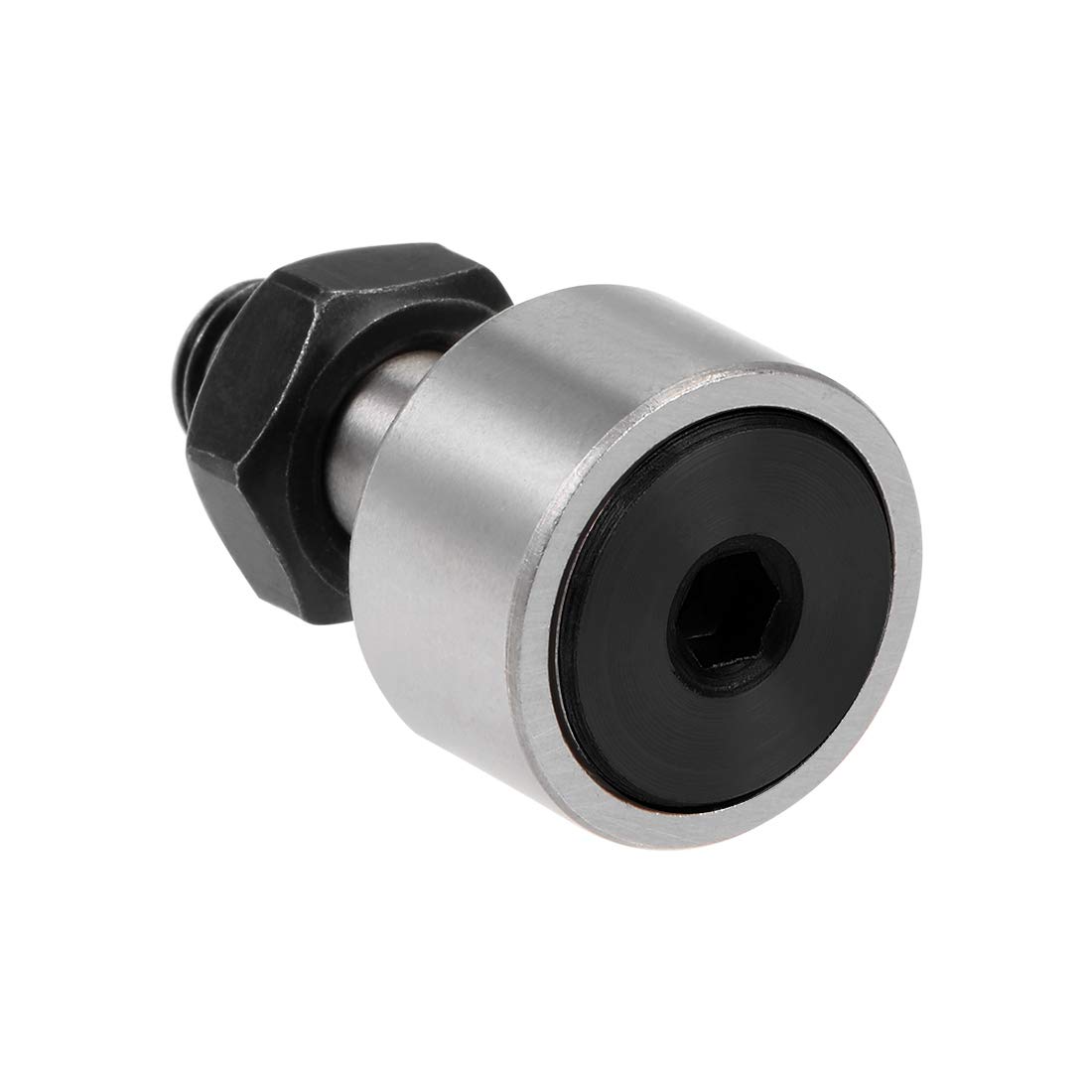
Can you provide insights into the importance of proper installation and alignment of cam rollers?
Proper installation and alignment of cam rollers are crucial for achieving optimal performance, longevity, and reliability of the tracking system. The installation and alignment process directly impacts the functionality, efficiency, and lifespan of the cam rollers. Here are some key insights into the importance of proper installation and alignment:
- Accurate Tracking: Proper installation ensures that the cam rollers are positioned correctly and aligned with the cam profile or track. Accurate alignment is essential for achieving precise and consistent tracking of objects or components. Even a slight misalignment can result in deviations from the desired path, causing positioning errors, reduced accuracy, and compromised system performance.
- Smooth Motion: Correct installation and alignment play a significant role in enabling smooth and uninterrupted rolling motion of the cam rollers. Misalignment or improper installation can introduce friction, uneven loading, or binding, which can lead to jerky or erratic motion. On the other hand, proper alignment facilitates smooth and efficient rolling, minimizing energy losses, reducing wear, and ensuring seamless operation.
- Load Distribution: Proper alignment helps distribute the load evenly among the cam rollers and the associated components. Uniform load distribution prevents excessive stress on individual rollers, bearings, or tracks, reducing the risk of premature wear, fatigue, or failure. By ensuring proper load distribution, proper installation and alignment contribute to the longevity and reliability of the cam roller system.
- Reduced Wear and Damage: Correct installation and alignment minimize friction and wear between the cam rollers and the track. Improper alignment can cause rubbing, scraping, or uneven contact, leading to accelerated wear, surface damage, or deformation of the rollers or track. Proper alignment reduces these issues, extending the lifespan of the cam rollers and reducing the frequency of maintenance or replacements.
- Optimized Performance: Properly installed and aligned cam rollers maximize the performance of the tracking system. When the cam rollers are aligned correctly, they can operate at their intended design parameters, ensuring efficient power transmission, accurate tracking, and smooth motion. This optimization leads to improved productivity, reduced downtime, and enhanced overall system performance.
- Alignment Sensitivity: Cam roller systems are often sensitive to misalignment due to their precise nature. Small deviations in alignment can have a significant impact on the performance and functionality of the system. Therefore, it is crucial to follow manufacturer guidelines and recommended alignment procedures during installation to ensure proper alignment and avoid potential issues.
- Ease of Maintenance: Proper installation and alignment facilitate easier maintenance and servicing of the cam rollers. When the cam rollers are correctly aligned, it becomes simpler to access and replace individual components, such as bearings or rollers, during routine maintenance or repairs. This reduces downtime, simplifies maintenance procedures, and ensures efficient upkeep of the tracking system.
In summary, proper installation and alignment of cam rollers are essential for achieving accurate tracking, smooth motion, load distribution, reduced wear, optimized performance, and ease of maintenance. By following proper installation procedures and ensuring precise alignment, the longevity, efficiency, and reliability of the cam roller system can be maximized, leading to improved overall system performance and longevity.
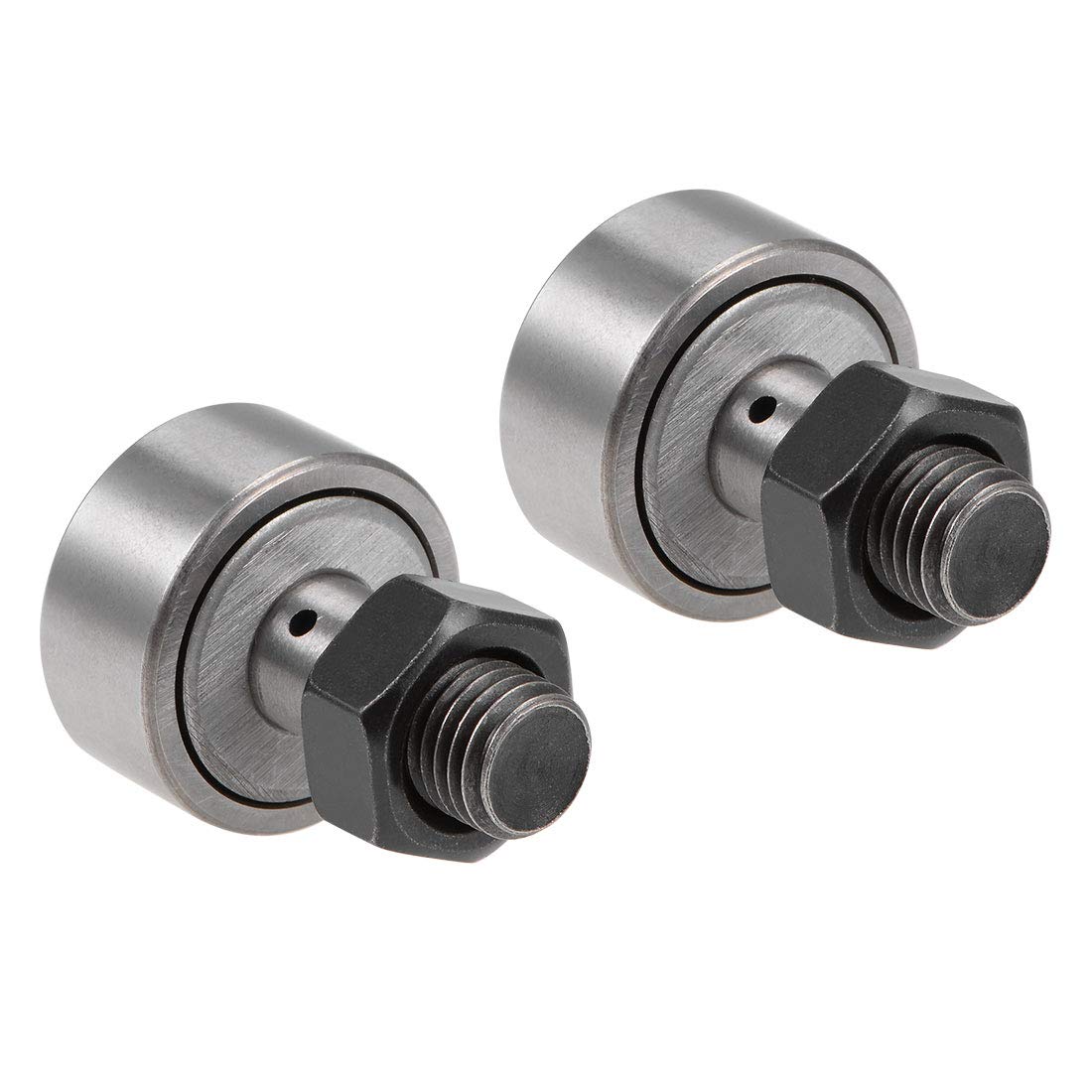
How does the choice of materials impact the performance of cam rollers in different environments?
The choice of materials significantly impacts the performance of cam rollers, especially when it comes to their operation in different environments. The selection of appropriate materials ensures the durability, reliability, and efficiency of cam rollers, while also ensuring they can withstand the specific conditions and challenges posed by different environments. Here’s a detailed explanation of how the choice of materials impacts the performance of cam rollers in different environments:
- Corrosive Environments: In corrosive environments where cam rollers may come into contact with chemicals, moisture, or other corrosive agents, the choice of materials is critical to prevent corrosion and maintain performance. Materials such as stainless steel or corrosion-resistant coatings like zinc plating or epoxy coatings are commonly used to protect cam rollers from corrosion, ensuring their longevity and reliable operation.
- High-Temperature Environments: In high-temperature environments, the choice of materials for cam rollers is crucial to ensure dimensional stability and resistance to heat-induced degradation. Heat-resistant materials such as high-temperature alloys or ceramics are employed to withstand elevated temperatures without compromising performance or structural integrity.
- Low-Temperature Environments: In low-temperature environments, materials used for cam rollers should retain their mechanical properties and flexibility even at extremely low temperatures. Some materials, such as certain grades of stainless steel or special polymers like PTFE (polytetrafluoroethylene), exhibit excellent low-temperature performance and are suitable for cam rollers operating in cold environments.
- High-Speed Applications: In high-speed applications where cam rollers experience rapid rotational speeds, material selection is crucial to ensure reliable and safe operation. High-performance materials with excellent wear resistance, low friction coefficients, and high strength are preferred to withstand the stresses and demands of high-speed rotation without premature wear or failure.
- High-Load Applications: In applications where cam rollers experience heavy loads, the choice of materials is essential to ensure sufficient load-carrying capacity and resistance to deformation or fatigue. Materials with high strength, hardness, and toughness, such as hardened steels or bearing-grade alloys, are commonly used to withstand the high loads and prevent premature wear or failure under heavy load conditions.
- Cleanroom Environments: In cleanroom environments where strict cleanliness and contamination control are necessary, the choice of materials for cam rollers is critical. Materials that are low in particle generation, have low outgassing properties, and can withstand frequent cleaning and sterilization procedures are preferred to maintain the cleanliness and integrity of the cleanroom environment.
- Food and Beverage Industry: In the food and beverage industry, cam rollers may need to comply with specific food safety regulations and requirements. Materials that are FDA-approved, food-grade, and resistant to chemicals or cleaning agents commonly used in the industry are selected to ensure the hygienic operation of cam rollers in food processing, packaging, or handling applications.
By carefully considering the environmental conditions and requirements of different applications, manufacturers can select the appropriate materials for cam rollers to optimize their performance and longevity. Material choices should take into account factors such as corrosion resistance, temperature resistance, speed capability, load capacity, cleanliness, and compliance with industry-specific regulations.
In summary, the choice of materials has a significant impact on the performance of cam rollers in different environments. The selection of appropriate materials ensures resistance to corrosion, high or low temperatures, enables high-speed or high-load operation, facilitates cleanliness in cleanroom environments, and meets specific requirements of industries like food and beverage. By choosing the right materials, cam rollers can deliver reliable, efficient, and long-lasting performance in diverse operating conditions.
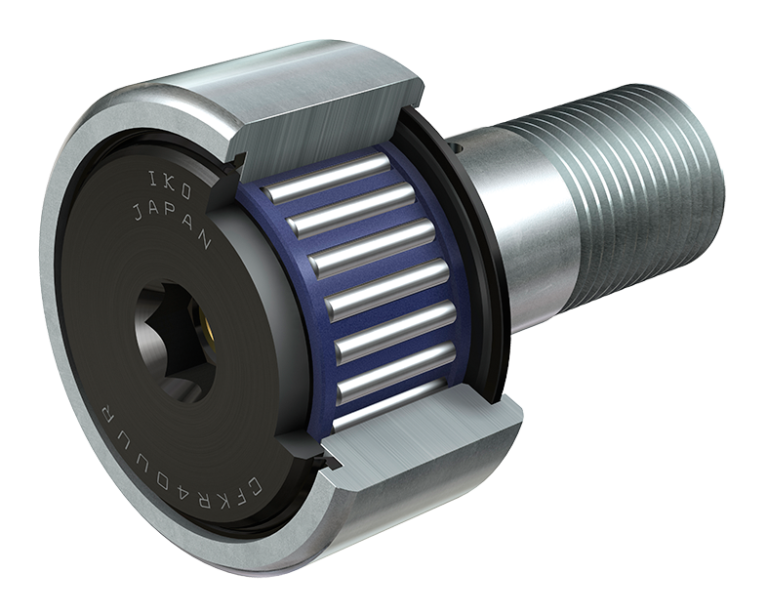
How does the design of a cam roller contribute to efficient motion and tracking?
The design of a cam roller plays a crucial role in ensuring efficient motion transmission and tracking along the surface profile of a cam or track. Various design features are incorporated to optimize performance, reliability, and smooth operation. Here’s a detailed explanation of how the design of a cam roller contributes to efficient motion and tracking:
- Bearing Element: The choice of the bearing element, such as cylindrical rollers, needle rollers, or ball bearings, is a critical design consideration. The bearing element should be selected based on the specific application requirements, including load capacity, speed, and precision. The bearing element allows for smooth rolling motion and efficient load distribution, minimizing friction and wear.
- Outer Ring Profile: The outer ring of a cam roller has a profile that matches the shape of the cam or track. This design feature ensures accurate tracking and follows the contour of the cam or track surface. The outer ring provides guidance and support to the roller, allowing it to smoothly traverse the cam profile without slipping or deviating from the desired path.
- Stud or Yoke: The stud or yoke is the component that attaches the cam roller to the moving part of the mechanical system. It is designed to provide secure attachment and proper alignment. The stud or yoke may have additional features such as threaded ends, lubrication provisions, or seals to enhance functionality and ease of maintenance.
- Roller Retainers: In some cam roller designs, roller retainers are used to maintain proper spacing and alignment of the rollers within the outer ring. These retainers prevent roller skewing and ensure even load distribution among the rollers. By maintaining precise roller alignment, efficient motion transmission and tracking are achieved.
- Sealing and Lubrication: Proper sealing and lubrication are essential for the efficient functioning of cam rollers. Seals prevent contaminants from entering the bearing and protect against lubricant leakage. Lubrication reduces friction and wear, ensuring smooth rolling motion. The design of cam rollers may include sealing elements and lubrication provisions to facilitate effective sealing and lubrication maintenance.
The careful consideration of these design factors contributes to efficient motion and tracking in cam rollers. When the cam roller is in operation, these design features enable it to smoothly follow the profile of the cam or track, ensuring accurate and reliable motion transmission. Efficient tracking minimizes energy losses, reduces wear, and enhances the overall performance of the mechanical system.
It is important to note that the design of a cam roller should be selected based on the specific requirements of the application. Factors such as load capacity, speed, operating conditions, and precision requirements should be taken into account to ensure optimal performance and longevity of the cam roller in the mechanical system.
In summary, the design of a cam roller, including the bearing element, outer ring profile, stud or yoke, roller retainers, sealing, and lubrication, contributes to efficient motion transmission and tracking. These design features enable smooth rolling motion, accurate tracking along the cam profile, and reliable performance in various mechanical systems.


editor by Dream 2024-04-23