Product Description
High Precision NUTR30/NUTR30-2RS Yoke Type Track Rollers for Pallet Changers
Application
Metals Mining, mineral processing and cement
Railways Material handling
Agriculture Construction
NUTR/NUTR…2RS Yoke Type Track Rollers
Full complement cylindrical roller set, with axial guidance, labyrinth seals on both sides
Yoke Type Track Rollers Specification
| Product Name | Yoke Type Track Rollers |
| Precision Rating | P6, P0, P5, P4, P2 |
| Material | Bearing Steel (GCr15) |
| Clearance | C0 C1 C2 C3 |
| Vibration & Noisy | Z1,Z2,Z3 V1,V2,V3 |
| Features | Full Complement Cylindrical Roller Set, with Axial Guidance, Labyrinth Seals on Both Sides |
| Application | Metals, Mining, Mineral Processing and Cement, Railways Material handling Agriculture |
| Certification | ISO 9001:2008 |
| Packing | 1.Neutral Packing Bearing 2.Industrial Packing 3.Commercial Packing Bearing 4.Customize |
| Delivery Time | 30 – 45 Days After The Order is Confirmed |
| Shippment | 1.By Sea 2.By Air 3.By Express |
| Website | http://hlimachinery |
| Bearing No. | Dimensions (mm) | Basic Load Rating | Limited | Mass | ||||||||
| (KN) | Speed | |||||||||||
| Shield Type | Sealed Type | d | D | B | C | d1 | r min | r1 min | C | Co | rpm | kg |
| NUTR 15 | NUTR 15.2RS | 15 | 35 | 19 | 18 | 20 | 0.6 | 0.3 | 12 | 13.44 | 5200 | 0.1 |
| NUTR 17 | NUTR 17.2RS | 17 | 40 | 21 | 20 | 22 | 1 | 0.5 | 14.72 | 18.08 | 4400 | 0.148 |
| NUTR 1542 | NUTR 1542.2RS | 15 | 42 | 19 | 18 | 20 | 0.6 | 0.3 | 14.48 | 17.52 | 5200 | 0.16 |
| NUTR 20 | NUTR 20.2RS | 20 | 47 | 25 | 24 | 27 | 1 | 0.5 | 22.4 | 28 | 3360 | 0.247 |
| NUTR 1747 | NUTR 1747.2RS | 17 | 47 | 21 | 20 | 22 | 1 | 0.5 | 17.04 | 22.4 | 4400 | 0.222 |
| NUTR 25 | NUTR 25.2RS | 25 | 52 | 25 | 24 | 31 | 1 | 0.5 | 23.2 | 30 | 2720 | 0.284 |
| NUTR 2052 | NUTR 2052.2RS | 20 | 52 | 25 | 24 | 27 | 1 | 0.5 | 25.2 | 32.8 | 3360 | 0.324 |
| NUTR 30 | NUTR 30.2RS | 30 | 62 | 29 | 28 | 38 | 1 | 0.5 | 32 | 40 | 2080 | 0.47 |
| NUTR 2562 | NUTR 2562.2RS | 25 | 62 | 25 | 24 | 31 | 1 | 0.5 | 28.4 | 40 | 2720 | 0.455 |
| NUTR 35 | NUTR 35.2RS | 35 | 72 | 29 | 28 | 44 | 1.1 | 0.6 | 35.6 | 48 | 1680 | 0.636 |
| NUTR 3072 | NUTR 3072.2RS | 30 | 72 | 29 | 28 | 38 | 1 | 0.5 | 38 | 51.2 | 2080 | 0.704 |
| NUTR 40 | NUTR 40.2RS | 40 | 80 | 32 | 30 | 51 | 1.1 | 0.6 | 44 | 60 | 1280 | 0.824 |
| NUTR 3580 | NUTR 3580.2RS | 35 | 80 | 29 | 28 | 44 | 1.1 | 0.6 | 40.8 | 57.6 | 1680 | 0.844 |
| NUTR 45 | NUTR 45.2RS | 45 | 85 | 32 | 30 | 55 | 1.1 | 0.6 | 44.8 | 62.4 | 1120 | 0.892 |
| NUTR 50 | NUTR 50.2RS | 50 | 90 | 32 | 30 | 60 | 1.1 | 0.6 | 45.6 | 64.8 | 1040 | 0.956 |
| NUTR 4090 | NUTR 4090.2RS | 40 | 90 | 32 | 30 | 51 | 1.1 | 0.6 | 52.8 | 76 | 1280 | 1.14 |
| NUTR 45100 | NUTR 45100.2RS | 45 | 100 | 32 | 30 | 55 | 1.1 | 0.6 | 56.8 | 85.6 | 1120 | 1.41 |
| NUTR 50110 | NUTR 50110.2RS | 50 | 110 | 32 | 30 | 60 | 1.1 | 0.6 | 60.8 | 96 | 1040 | 1.707 |
About Us
HENGLI Machinery Company is a well-established Chinese bearing supplier. We design, manufacture and wholesale bearings.
Our specialized manufacturer of Spherical Roller Bearing & Cylindrical Roller Bearing, XIHU (WEST LAKE) DIS. Rolling Bearing Co., Ltd was
established in 1970 and is accredited by the Chinese Ministry of Machine Building.
We invested in 2 additional specialized bearing factories, which allow us to provide our clients with top of the line products such as
Needle Roller Bearings, Cam Followers Bearings,Thrust Bearings, Spherical Plain Bearings, Rod Ends Bearings, Ball Joint
Bearings, Tapered Roller Bearings Wheel Hub Bearings and Non-Standard Bearings.
FAQ
Q1 – What is our advantages?
A – Manufacturer – Do it only with the Best;
-Your Choice make different.
Q2 – Our Products
A – Spherical Roller Bearing, Cylindrical Roller Bearing, Needle Roller Bearing, Cam Followers, Thrust Bearing
– Spherical Plain Bearing, Rod End, Ball Joint, Wheel Hub, Tapered Roller Bearing
Q3 – Process of our production
A – Heat Treatment – Grinding – Parts Inspection – Assembly – Final Inspection – Packing
Q4 – How to customize bearing(non-standard) from your company?
A -We offer OEM,Customized(Non-standard) service and you need to provide drawing and detailed Technical Data.
Q5 – What should I care before installation?
A – Normally, the preservative with which new bearings are coated before leaving the factory does not need to be
removed; it is only necessary to wipe off the outside cylindrical surface and bore, if the grease is not compatible
with the preservative, it is necessary to wash and carefully dry the bearing.
-Bearings should be installed in a dry, dust-free room away from metal working or other machines producing
swarf and dust.
Q6 – How to stock and maintenance my bearings right?
A – Do not store bearings directly on concrete floors, where water can condense and collect on the bearing;
-Store the bearings on a pallet or shelf, in an area where the bearings will not be subjected to high humidity
or sudden and severe temperature changes that may result in condensation forming;
-Always put oiled paper or, if not available, plastic sheets between rollers and cup races of tapered roller bearings.
/* May 10, 2571 16:49:51 */!function(){function d(e,r){var a,o={};try{e&&e.split(“,”).forEach(function(e,t){e&&(a=e.match(/(.*?):(.*)$/))&&1
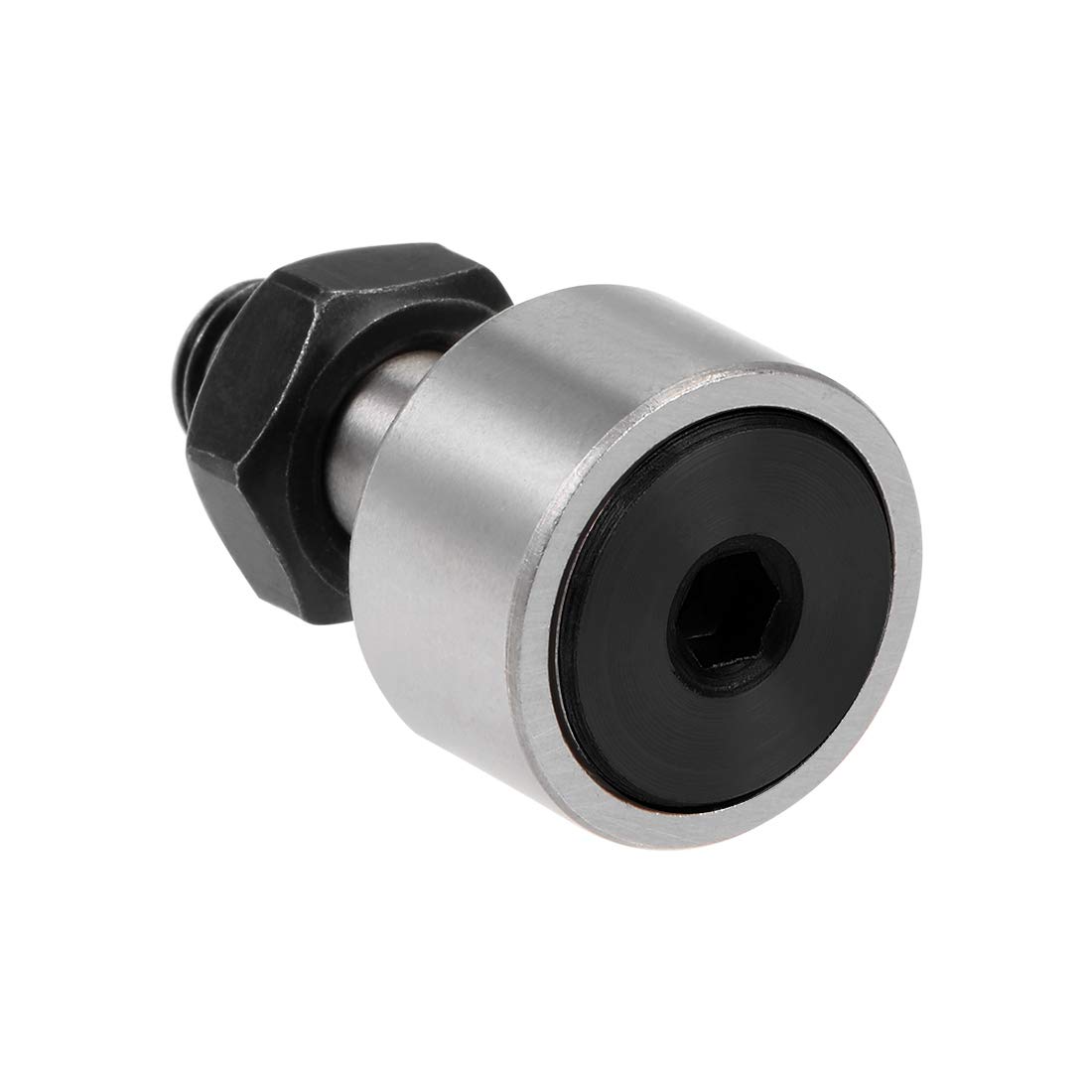
Can you provide insights into the importance of proper installation and alignment of cam rollers?
Proper installation and alignment of cam rollers are crucial for achieving optimal performance, longevity, and reliability of the tracking system. The installation and alignment process directly impacts the functionality, efficiency, and lifespan of the cam rollers. Here are some key insights into the importance of proper installation and alignment:
- Accurate Tracking: Proper installation ensures that the cam rollers are positioned correctly and aligned with the cam profile or track. Accurate alignment is essential for achieving precise and consistent tracking of objects or components. Even a slight misalignment can result in deviations from the desired path, causing positioning errors, reduced accuracy, and compromised system performance.
- Smooth Motion: Correct installation and alignment play a significant role in enabling smooth and uninterrupted rolling motion of the cam rollers. Misalignment or improper installation can introduce friction, uneven loading, or binding, which can lead to jerky or erratic motion. On the other hand, proper alignment facilitates smooth and efficient rolling, minimizing energy losses, reducing wear, and ensuring seamless operation.
- Load Distribution: Proper alignment helps distribute the load evenly among the cam rollers and the associated components. Uniform load distribution prevents excessive stress on individual rollers, bearings, or tracks, reducing the risk of premature wear, fatigue, or failure. By ensuring proper load distribution, proper installation and alignment contribute to the longevity and reliability of the cam roller system.
- Reduced Wear and Damage: Correct installation and alignment minimize friction and wear between the cam rollers and the track. Improper alignment can cause rubbing, scraping, or uneven contact, leading to accelerated wear, surface damage, or deformation of the rollers or track. Proper alignment reduces these issues, extending the lifespan of the cam rollers and reducing the frequency of maintenance or replacements.
- Optimized Performance: Properly installed and aligned cam rollers maximize the performance of the tracking system. When the cam rollers are aligned correctly, they can operate at their intended design parameters, ensuring efficient power transmission, accurate tracking, and smooth motion. This optimization leads to improved productivity, reduced downtime, and enhanced overall system performance.
- Alignment Sensitivity: Cam roller systems are often sensitive to misalignment due to their precise nature. Small deviations in alignment can have a significant impact on the performance and functionality of the system. Therefore, it is crucial to follow manufacturer guidelines and recommended alignment procedures during installation to ensure proper alignment and avoid potential issues.
- Ease of Maintenance: Proper installation and alignment facilitate easier maintenance and servicing of the cam rollers. When the cam rollers are correctly aligned, it becomes simpler to access and replace individual components, such as bearings or rollers, during routine maintenance or repairs. This reduces downtime, simplifies maintenance procedures, and ensures efficient upkeep of the tracking system.
In summary, proper installation and alignment of cam rollers are essential for achieving accurate tracking, smooth motion, load distribution, reduced wear, optimized performance, and ease of maintenance. By following proper installation procedures and ensuring precise alignment, the longevity, efficiency, and reliability of the cam roller system can be maximized, leading to improved overall system performance and longevity.
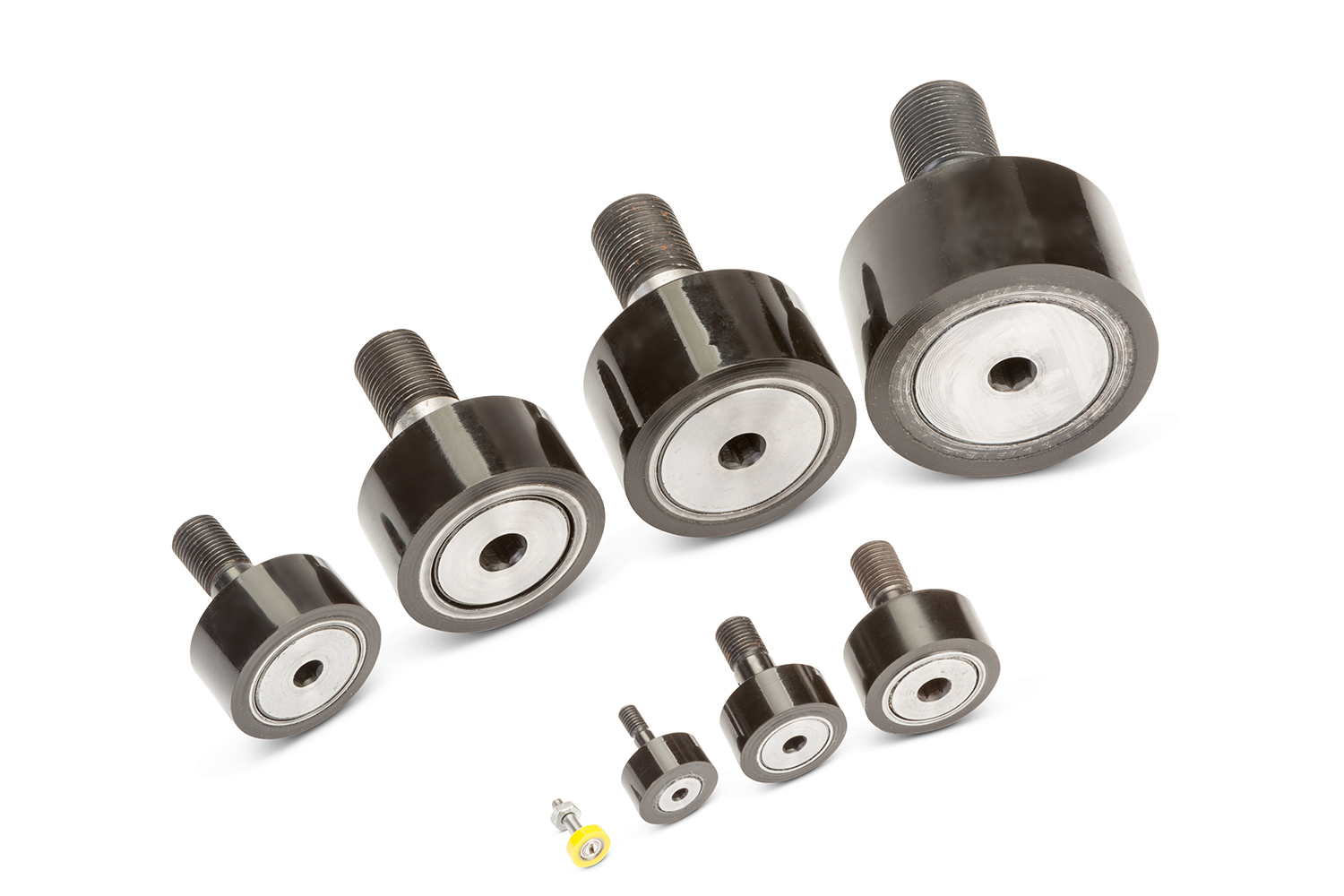
Can cam rollers be customized for specific industries or machinery configurations?
Yes, cam rollers can be customized to meet the specific requirements of different industries or machinery configurations. The versatility and adaptability of cam rollers make them suitable for a wide range of applications. Customization allows for the optimization of cam rollers to match the unique needs of various industries and machinery configurations. Here’s a detailed explanation of how cam rollers can be customized:
- Size and Dimensions: Cam rollers can be customized in terms of size and dimensions to suit specific machinery configurations. The outer diameter, inner diameter, width, and overall dimensions of the cam roller can be adjusted to fit within the available space and align with the requirements of the machinery or system.
- Load Capacity: Customization of cam rollers can involve enhancing the load-carrying capacity to meet the demands of specific industries or heavy-duty applications. By utilizing different materials, heat treatments, or bearing arrangements, cam rollers can be designed to withstand higher radial and axial loads, ensuring reliable performance under challenging operating conditions.
- Specialized Coatings and Materials: Certain industries or environments may require cam rollers with specialized coatings or materials to withstand corrosive or abrasive conditions. Customization can involve the application of coatings, such as corrosion-resistant coatings or low-friction coatings, to enhance the durability and performance of the cam rollers in specific operating environments.
- Sealing Options: Cam rollers can be customized with various sealing options to provide protection against contaminants, dust, moisture, or other environmental factors. Custom sealing arrangements, such as rubber seals or labyrinth seals, can be incorporated into the design to ensure the longevity and reliability of the cam rollers in specific industries or applications.
- Attachment and Mounting: Customization of cam rollers can include modifications to the attachment and mounting options. Different industries or machinery configurations may require specific attachment methods or mounting configurations. Cam rollers can be customized with different stud types, yoke configurations, or eccentric collar options to ensure easy and secure attachment to the moving parts of the machinery or system.
- Specialized Performance Features: Depending on the industry or application, cam rollers may need specialized performance features. Customization can involve incorporating features such as integrated lubrication systems, temperature sensors, or shock-absorbing elements to enhance the performance, reliability, or monitoring capabilities of the cam rollers in specific industries or machinery configurations.
By collaborating with manufacturers or suppliers, industries can work to customize cam rollers to meet their specific requirements. Customization may involve engineering analysis, design modifications, and material selection to ensure the optimal performance and compatibility of the cam rollers with the targeted industries or machinery configurations.
In summary, cam rollers can be customized for specific industries or machinery configurations. Customization options include adjusting size and dimensions, enhancing load capacity, utilizing specialized coatings and materials, incorporating sealing options, modifying attachment and mounting methods, and adding specialized performance features. By tailoring cam rollers to specific industry or machinery needs, customization ensures optimal performance, longevity, and compatibility with the targeted applications.
Can you describe the factors to consider when selecting cam rollers for specific applications?
When selecting cam rollers for specific applications, several factors need to be considered to ensure optimal performance, reliability, and longevity. The suitability of a cam roller for a particular application depends on various parameters and requirements. Here’s a detailed explanation of the factors to consider when selecting cam rollers:
- Load Capacity: One of the primary considerations is the anticipated load capacity of the cam roller. The cam roller should have sufficient load-carrying capacity to support the expected radial and axial loads in the application. It is important to consider both static and dynamic loads, as well as any potential shock or impact loads that may occur.
- Speed and Acceleration: The speed at which the cam roller will operate, as well as the acceleration and deceleration rates, should be taken into account. High-speed applications require cam rollers that can accommodate the associated centrifugal forces and provide smooth rolling motion without excessive heat generation. Additionally, the roller should be able to handle the acceleration and deceleration forces without compromising performance.
- Precision Requirements: Depending on the application, precision requirements may vary. Some applications demand high positioning accuracy and minimal deviation, while others may have looser tolerances. It is important to select a cam roller that can meet the desired precision requirements, ensuring accurate tracking and motion control.
- Operating Conditions: Consider the operating conditions in which the cam roller will be used. Factors such as temperature, humidity, dust, and corrosive environments can impact the performance and longevity of the cam roller. Choose a cam roller that is designed to withstand the specific operating conditions of the application, ensuring durability and reliability.
- Lubrication and Maintenance: Proper lubrication is crucial for the smooth operation and longevity of cam rollers. Consider the lubrication requirements of the cam roller and whether it has provisions for effective lubrication. Additionally, assess the maintenance needs and accessibility of the cam roller for periodic inspection, lubrication replenishment, and potential replacement.
- Mounting and Attachment: Evaluate the mounting and attachment options available for the cam roller. Different applications may require stud-type cam rollers or yoke-type cam rollers, depending on the attachment method and space constraints. Ensure that the chosen cam roller can be securely mounted and aligned with the moving parts of the system.
- Cost and Availability: Finally, consider the cost and availability of the cam roller. Evaluate the overall cost-effectiveness of the selected cam roller, taking into account its performance, longevity, and maintenance requirements. Additionally, ensure that the chosen cam roller is readily available from reliable suppliers to avoid delays or compatibility issues.
By considering these factors, you can select the most suitable cam roller for a specific application, ensuring optimal performance, reliability, and longevity. It is advisable to consult with manufacturers or industry experts to obtain guidance and recommendations tailored to your specific requirements.
In summary, the factors to consider when selecting cam rollers for specific applications include load capacity, speed and acceleration requirements, precision needs, operating conditions, lubrication and maintenance considerations, mounting and attachment options, as well as cost and availability. Assessing these factors will help in choosing the appropriate cam roller that meets the unique demands of the application.
<img src="https://img.hzpt.com/img/Shaftcollar/Shaftcollar-1.webp" alt="China Standard High Precision NUTR30/NUTR30-2RS Yoke Type Track Rollers For Pallet Changers “><img src="https://img.hzpt.com/img/Shaftcollar/Shaftcollar-2.webp" alt="China Standard High Precision NUTR30/NUTR30-2RS Yoke Type Track Rollers For Pallet Changers “>
editor by Dream 2024-10-23