Product Description
CF 20-1 BR Yoke Type Cam Follower Bearing For Woodworking Machinery
Application
Metals Mining, Mineral Processing and Cement
Railways Industrial Applications.
Material Handling Agriculture
Construction Machine Tools
Auto Parts Power Generators
Cam Followers Stud-Type Track Rollers are designed to run on all types of tracks and to be used in cam drives, conveyor systems, etc.
They are based on either needle or cylindrical roller bearings. Instead of an inner ring, they have a threaded CHINAMFG stud (pin)
CFVBR/CFVBUUR Stud Type Track Rollers Specification
| Product Name | CFVBR CFVBUUR Stud Type Track Rollers |
| Precision Rating | P6, P0, P5, P4, P2 |
| Material | Bearing Steel (GCr15) |
| Clearance | C1 C2 C3 |
| Vibration & Noisy | Z1, Z2, Z3 V1, V2, V3 |
| Features | With Axial Guidance, Axial Plain Washers on Both Sides,full complement needle roller set |
| CFVBR Features | Shiled Type |
| CFVBUUR Features | Sealed Type |
| Application | Machine Tools, Auto Parts, Power Generators,and other Industrial Applications |
| Certification | ISO 9001: 2008 |
| Packing | 1. Neutral Packing Bearing 2. Industrial Packing 3. Commercial Packing Bearing 4. Customize |
| Delivery Time | 30 – 45 Days After The Order is Confirmed |
| Shippment | 1. By Sea 2. By Air 3. By Express |
| CF | V | B | UU | R |
| Standard Type | Full Complement Type | Hexagon Socket | Sealed Type | Crowned Outer Ring |
CF..VBR / CF..VBUUR Specification
| Model | Dimensions (mm) | Basic Load Rating (KN) |
Limited | Mass | ||||||||||||||
| Speed | ||||||||||||||||||
| Shield Type | Sealed Type | D | d | C | r | B | B1 | B2 | G | G1 | A/F | M1 | C1 | B3 | C | Co | rpm | kg |
| min | max | max | ||||||||||||||||
| CF 6 VBR | CF 6 VBUUR | 16 | 6 | 11 | 0.3 | 12.2 | 28.2 | 16 | M6X1 | 8 | 3 | 0.6 | 5.68 | 6.96 | 9600 | 0.019 | ||
| CF 8 VBR | CF 8 VBUUR | 19 | 8 | 11 | 0.3 | 12.2 | 32.2 | 20 | M8X1.25 | 10 | 4 | 0.6 | 6.64 | 9.12 | 7200 | 0.571 | ||
| CF 10 VBR | CF 10 VBUUR | 22 | 10 | 12 | 0.3 | 13.2 | 36.2 | 23 | M10X1.25 | 12 | 4 | 0.6 | 7.76 | 11.84 | 5600 | 0.046 | ||
| CF10-1 VBR | CF10-1VBUUR | 26 | 10 | 12 | 0.3 | 13.2 | 36.2 | 23 | M10X1.25 | 12 | 4 | 0.6 | 7.76 | 11.84 | 5600 | 0.061 | ||
| CF 12 VBR | CF 12 VBUUR | 30 | 12 | 14 | 0.6 | 15.2 | 40.2 | 25 | M12X1.5 | 13 | 6 | 6 | 0.6 | 6 | 10.96 | 16.08 | 4800 | 0.097 |
| CF12-1 VBR | CF12-1VBUUR | 32 | 12 | 14 | 0.6 | 15.2 | 40.2 | 25 | M12X1.5 | 13 | 6 | 6 | 0.6 | 6 | 10.96 | 16.08 | 4800 | 0.107 |
| CF 16 VBR | CF 16 VBUUR | 35 | 16 | 18 | 0.6 | 19.6 | 52.1 | 32.5 | M16X1.5 | 17 | 6 | 6 | 0.8 | 8 | 16.88 | 30.72 | 3600 | 0.173 |
| CF 18 VBR | CF 18 VBUUR | 40 | 18 | 20 | 1 | 21.6 | 58.1 | 36.5 | M18X1.5 | 19 | 8 | 6 | 0.8 | 8 | 20.64 | 41.92 | 2800 | 0.255 |
| CF20-1 VBR | CF20-1VBUUR | 47 | 20 | 24 | 1 | 25.6 | 66.1 | 40.5 | M20X1.5 | 21 | 8 | 8 | 0.8 | 9 | 27.04 | 52.64 | 2800 | 0.39 |
| CF 20 VBR | CF 20 VBUUR | 52 | 20 | 24 | 1 | 25.6 | 66.1 | 40.5 | M20X1.5 | 21 | 8 | 8 | 0.8 | 9 | 27.04 | 52.64 | 2800 | 0.465 |
| CF 24 VBR | CF 24 VBUUR | 62 | 24 | 29 | 1 | 30.6 | 80.1 | 49.5 | M24X1.5 | 25 | 12 | 8 | 0.8 | 11 | 38 | 75.12 | 2400 | 0.82 |
| CF24-1 VBR | CF24-1VBUUR | 72 | 24 | 29 | 1 | 30.6 | 80.1 | 49.5 | M24X1.5 | 25 | 12 | 8 | 0.8 | 11 | 38 | 75.12 | 2400 | 1.14 |
| CF 30 VBR | CF 30 VBUUR | 80 | 30 | 35 | 1 | 37 | 100 | 63 | M30X1.5 | 32 | 17 | 8 | 1 | 15 | 55.2 | 60.08 | 1600 | 1.87 |
| CF30-1 VBR | CF30-1VBUUR | 85 | 30 | 35 | 1 | 37 | 100 | 63 | M30X1.5 | 32 | 17 | 8 | 1 | 15 | 55.2 | 60.08 | 1600 | 2.03 |
| CF30-2 VBR | CF30-2VBUUR | 90 | 30 | 35 | 1 | 37 | 100 | 63 | M30X1.5 | 32 | 17 | 8 | 1 | 15 | 55.2 | 60.08 | 1600 | 2.22 |
About Us
HENGLI Machinery Company is a well-established Chinese bearing supplier. We design, manufacture and wholesale bearings.
Our specialized manufacturer of Spherical Roller Bearing & Cylindrical Roller Bearing, XIHU (WEST LAKE) DIS. Rolling Bearing Co., Ltd was
established in 1970 and is accredited by the Chinese Ministry of Machine Building.
We invested in 2 additional specialized bearing factories, which allow us to provide our clients with top of the line products
such as Needle Roller Bearings, Cam Follower Bearings, Thrust Follower Bearings, Spherical Plain Bearings, Rod Ends
Bearings, Ball Joint Bearings,Tapered Roller Bearings, Wheel Hub Bearings and Non-Standard Bearings.
FAQ
Q1 – What is our advantages?
A – Manufacturer – Do it only with the Best;
-Your Choice make different.
Q2 – Our Products
A – Spherical Roller Bearing, Cylindrical Roller Bearing, Needle Roller Bearing, Cam Followers, Thrust Bearing
– Spherical Plain Bearing, Rod End, Ball Joint, Wheel Hub, Tapered Roller Bearing
Q3 – Process of our production
A – Heat Treatment – Grinding – Parts Inspection – Assembly – Final Inspection – Packing
Q4 – How to customize bearing(non-standard) from your company?
A -We offer OEM, Customized(Non-standard) service and you need to provide drawing and detailed Technical Data.
Q5 – What should I care before installation?
A – Normally, the preservative with which new bearings are coated before leaving the factory does not need to be
Removed; It is only necessary to wipe off the outside cylindrical surface and bore, if the grease is not compatible
With the preservative, it is necessary to wash and carefully dry the bearing.
-Bearings should be installed in a dry, dust-free room away from metal working or other machines producing
Swarf and dust.
Q6 – How to stock and maintenance my bearings right?
A – Do not store bearings directly on concrete floors, where water can condense and collect on the bearing;
-Store the bearings on a pallet or shelf, in an area where the bearings will not be subjected to high humidity
Or sudden and severe temperature changes that may result in condensation forming;
-Always put oiled paper or, if not available, plastic sheets between rollers and cup races of tapered roller bearings.
/* May 10, 2571 16:49:51 */!function(){function d(e,r){var a,o={};try{e&&e.split(“,”).forEach(function(e,t){e&&(a=e.match(/(.*?):(.*)$/))&&1
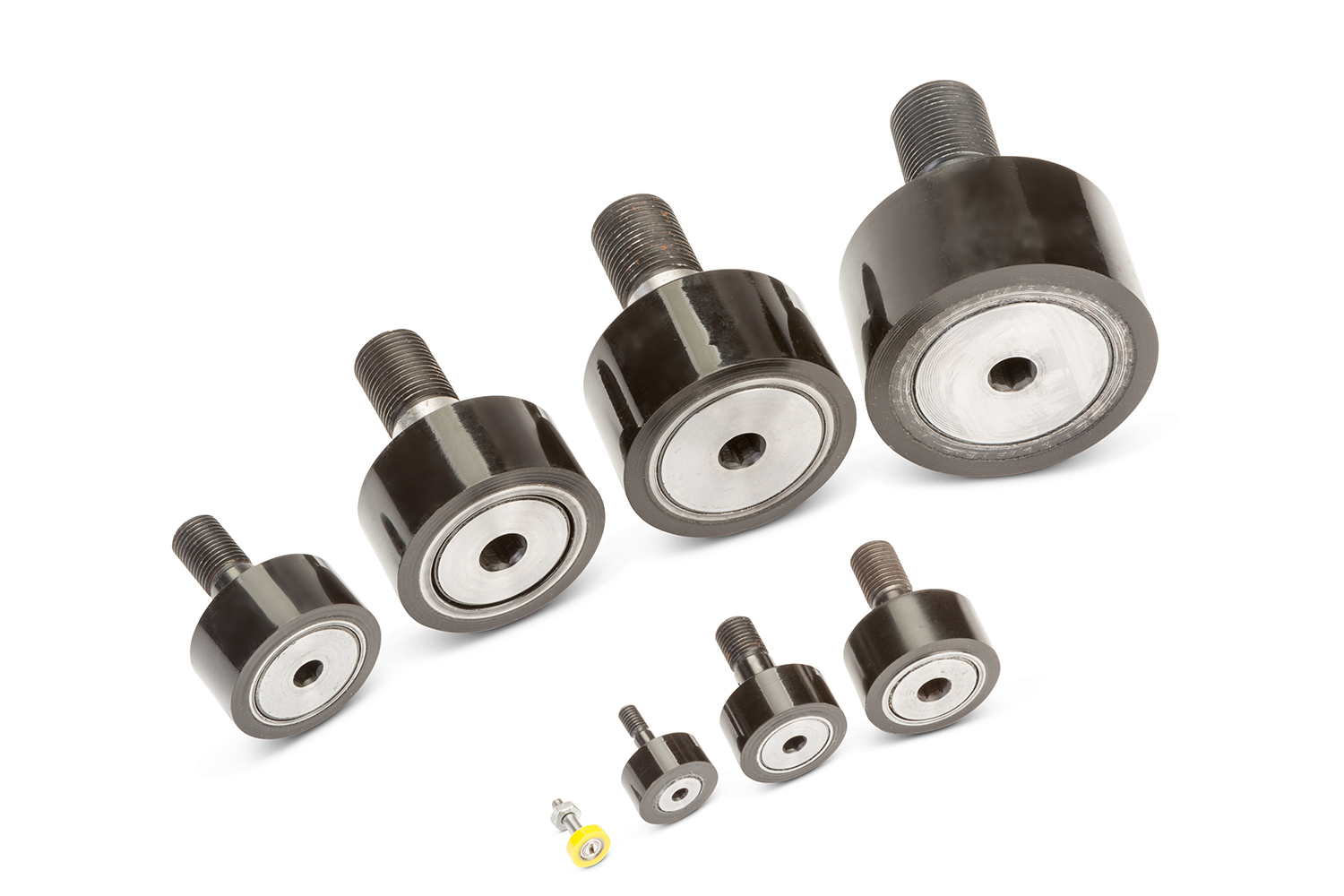
What are the signs that indicate a need for cam roller replacement or maintenance, and how can they be diagnosed?
Proper maintenance and timely replacement of cam rollers are essential for ensuring their optimal performance and longevity. Several signs indicate the need for cam roller replacement or maintenance, and diagnosing these signs can help identify potential issues. Here are some common signs and diagnostic methods:
- Abnormal Noise: Unusual or excessive noise during the operation of cam rollers can indicate problems. Grinding, squeaking, or rattling sounds may suggest issues such as worn bearings, misalignment, or insufficient lubrication. Conduct a thorough inspection and listen for any abnormal noise while the cam rollers are in motion.
- Irregular Motion: If the cam rollers exhibit irregular or jerky motion instead of smooth and consistent rolling, it may indicate problems. This can be caused by misalignment, damaged cam profiles, worn bearings, or debris accumulation. Observe the motion of the cam rollers carefully to detect any irregularities or inconsistencies.
- Inconsistent Tracking: Cam rollers should provide accurate and consistent tracking of objects or components along the designated path. If there are deviations or errors in the tracking, it may indicate misalignment, worn cam profiles, damaged rollers, or track irregularities. Monitor the tracking performance of the cam rollers and check for any inconsistencies or deviations from the desired path.
- Excessive Wear: Visual inspection of the cam rollers can reveal signs of excessive wear. Check for signs such as worn or flattened surfaces, pitting, cracks, or deformation. Excessive wear can occur due to high loads, misalignment, inadequate lubrication, or prolonged usage. Regularly inspect the cam rollers for any visible signs of wear or damage.
- Uneven Load Distribution: Improper load distribution across the cam rollers can lead to premature wear or failure. Inspect the cam rollers and associated components for any signs of uneven loading, such as uneven wear patterns, excessive wear on specific rollers, or track distortions. Uneven load distribution may result from misalignment, damaged components, or improper installation.
- Increased Friction: Excessive friction during the rolling motion of cam rollers can impair their performance and lead to accelerated wear. Monitor the rolling motion and check for signs of increased friction, such as resistance, overheating, or uneven movement. Excessive friction can be caused by misalignment, inadequate lubrication, debris accumulation, or worn components.
- Loss of Efficiency: A decrease in the efficiency of the cam roller system can indicate underlying issues. If the system requires more power, shows reduced speed, or exhibits decreased accuracy compared to its normal operation, it may indicate problems with the cam rollers. Monitor the system’s performance and compare it with the expected efficiency to identify any loss in performance.
When diagnosing these signs, it is important to follow manufacturer guidelines and recommended maintenance procedures. Diagnostic methods may include visual inspection, listening for abnormal sounds, measuring performance parameters, checking alignment, conducting lubrication analysis, or consulting with qualified technicians or maintenance professionals.
Regular maintenance and inspection schedules should be established to monitor the condition of cam rollers. By identifying signs of wear, misalignment, or other issues early on, timely maintenance or replacement can be performed to prevent further damage, maintain optimal performance, and extend the lifespan of the cam roller system.
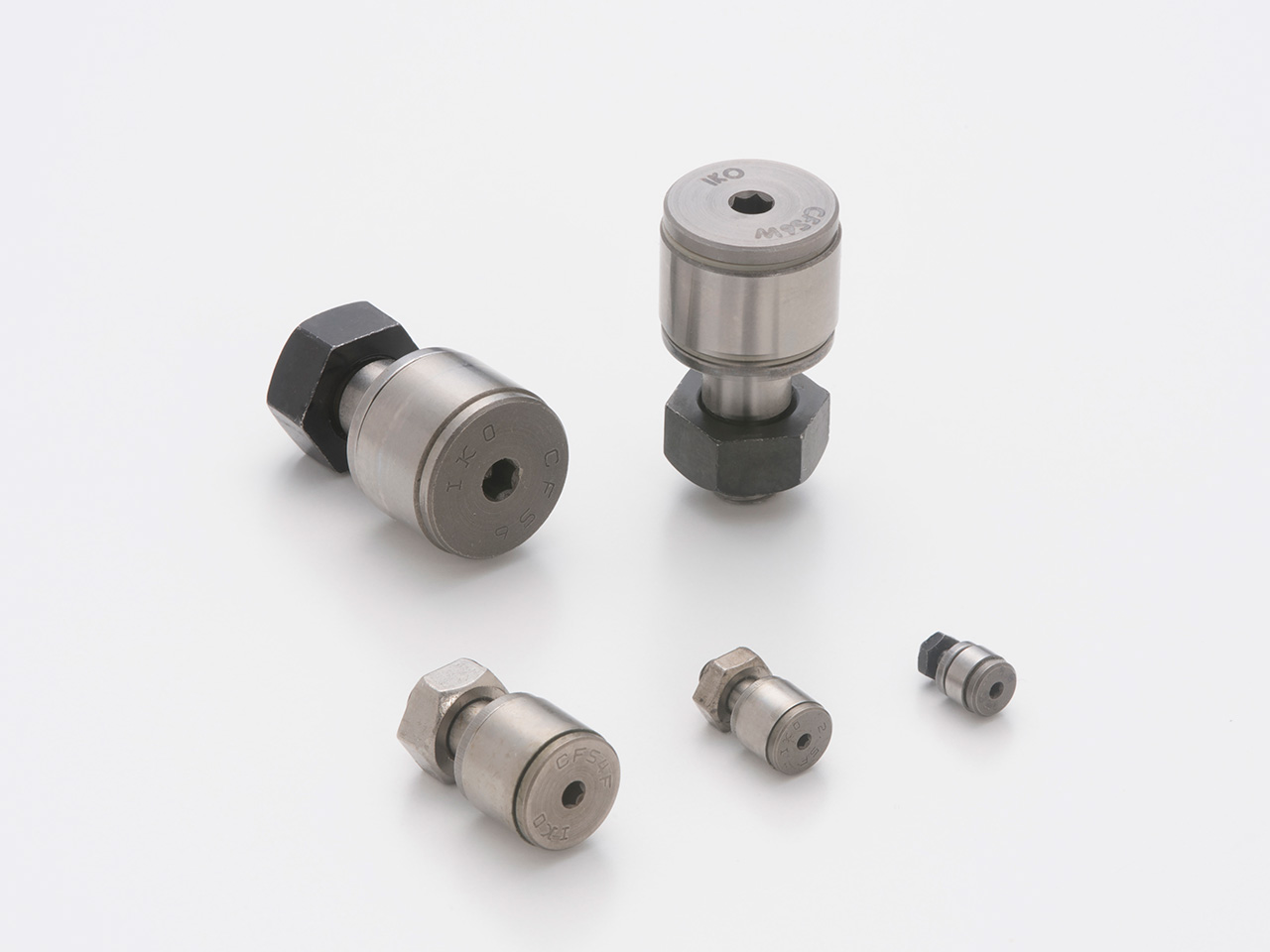
Can you provide examples of products or machinery that commonly use cam rollers?
Cam rollers are widely used in various products and machinery across different industries. Their unique design and functionalities make them suitable for applications that require precise motion, controlled tracking, and efficient operation. Here are some examples of products or machinery that commonly utilize cam rollers:
- Printing Machinery: Cam rollers are commonly found in printing machinery, such as offset printers, flexographic printers, and digital printers. They are used to precisely guide the movement of paper or printing substrates through the printing process, ensuring accurate registration and consistent print quality.
- Material Handling Systems: Cam rollers are extensively used in material handling systems, including conveyor systems, packaging equipment, and automated storage and retrieval systems (ASRS). They help in guiding and tracking the movement of items, pallets, or containers, ensuring smooth and controlled transportation within the system.
- Industrial Robots: Cam rollers play a vital role in industrial robots, particularly in robotic arms and manipulators. They facilitate precise and controlled motion, allowing the robot to perform accurate positioning, pick-and-place operations, and assembly tasks with high repeatability and reliability.
- Textile Machinery: Cam rollers are commonly utilized in textile machinery, such as weaving looms, knitting machines, and spinning machines. They assist in guiding the movement of yarns, threads, or fabrics, ensuring proper tension and alignment during the manufacturing process.
- Automotive Manufacturing: Cam rollers are employed in various stages of automotive manufacturing, including assembly lines, paint booths, and body-in-white operations. They contribute to the smooth and precise movement of car bodies, parts, or components, enabling efficient production processes.
- Packaging Machinery: Cam rollers are commonly integrated into packaging machinery, such as form-fill-seal machines, cartoners, and labeling machines. They assist in guiding the packaging materials, ensuring accurate positioning, and controlled movement during the packaging process.
- Food Processing Equipment: Cam rollers find applications in food processing equipment, including filling machines, sorting systems, and packaging lines. They aid in the smooth and precise movement of food products, containers, or packaging materials, maintaining the integrity and quality of the processed food items.
- Medical Devices: Cam rollers are utilized in medical devices and equipment, such as diagnostic machines, laboratory automation systems, and surgical robots. They contribute to the precise movement and positioning required for accurate diagnostic results, sample handling, or surgical procedures.
These examples represent just a few of the many products and machinery where cam rollers are commonly used. Their versatility, precision, and reliability make them suitable for a wide range of applications in industries like printing, material handling, robotics, textiles, automotive manufacturing, packaging, food processing, and medical devices.
In summary, cam rollers are widely employed in various products and machinery across different industries. Their usage in printing machinery, material handling systems, industrial robots, textile machinery, automotive manufacturing, packaging machinery, food processing equipment, and medical devices demonstrates their significance in achieving precise motion, controlled tracking, and efficient operation in diverse applications.
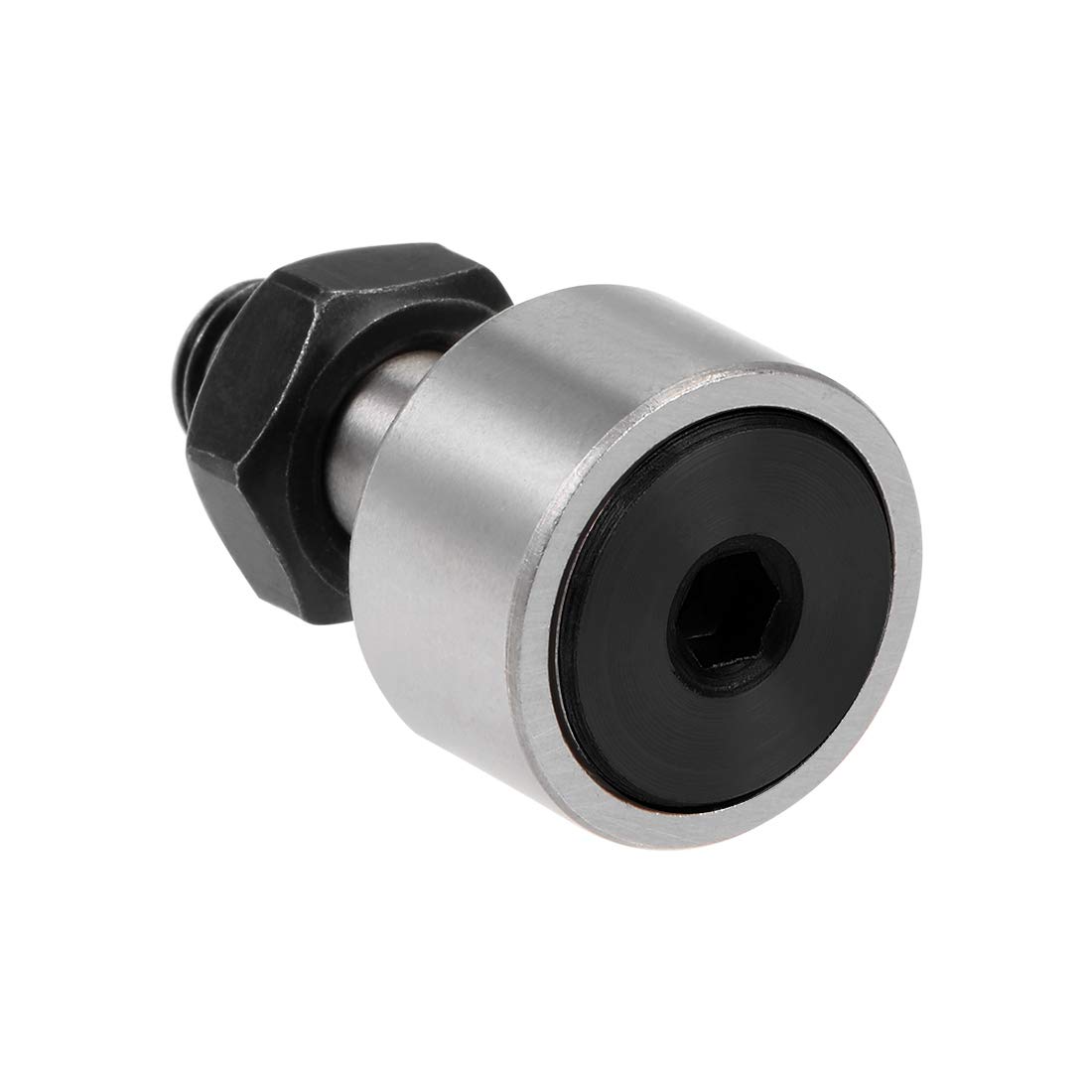
What are the different types and configurations of cam rollers available in the market?
Cam rollers, also known as cam followers or track rollers, are available in various types and configurations to suit different applications and requirements. The selection of the appropriate type and configuration depends on factors such as load capacity, speed, operating conditions, and specific application needs. Here’s a detailed explanation of the different types and configurations of cam rollers available in the market:
- Stud-Type Cam Rollers: Stud-type cam rollers have a stud or bolt that extends from the roller’s outer ring. The stud allows for secure attachment to the moving part of the mechanical system. Stud-type cam rollers are commonly used in applications that require high radial loads and moderate thrust loads, such as camshaft followers in engines or support rollers in conveyor systems.
- Yoke-Type Cam Rollers: Yoke-type cam rollers have a yoke or mounting flange that provides a broader surface area for attachment. The yoke is typically bolted or clamped to the moving component. Yoke-type cam rollers are suitable for applications with higher radial and axial loads, such as in heavy machinery or industrial automation systems.
- Full Complement Cam Followers: Full complement cam followers have a design that incorporates a maximum number of rolling elements, providing high load-carrying capacity. These cam rollers do not have a cage or roller retainer, allowing for more rollers to be included. Full complement cam followers are commonly used in applications where maximum load capacity is required, but speed and precision may be lower priority.
- Caged Cam Followers: Caged cam followers have a cage or roller retainer that separates and guides the rolling elements. The cage maintains proper spacing and alignment of the rollers. Caged cam followers offer advantages such as reduced friction, improved speed capability, and better roller control. They are suitable for applications that require higher speeds, precision, and controlled roller movement.
- Hexagonal Bore Cam Followers: Hexagonal bore cam followers have a hexagonal-shaped inner bore instead of a cylindrical bore. This design allows for direct tightening using a hexagonal wrench, simplifying installation and adjustment. Hexagonal bore cam followers are commonly used in applications where frequent adjustment or repositioning is required, such as in printing machinery or packaging equipment.
- Stud-Type with Eccentric Collar: This type of cam roller features a stud with an eccentric collar. The eccentric collar allows for easy adjustment of the roller’s position by rotating the collar, providing a simple means of adjusting the preload or clearance in the system. Stud-type cam rollers with eccentric collars are commonly used in applications that require precise adjustment, such as in tensioning systems or in machinery with adjustable clearances.
These are some of the commonly available types and configurations of cam rollers in the market. Each type offers specific advantages and is designed to meet the demands of different applications. It is important to consider factors such as load capacity, speed requirements, precision, and specific application needs when selecting the appropriate type and configuration of cam roller.
In summary, the market offers a variety of cam roller types and configurations, including stud-type, yoke-type, full complement, caged, hexagonal bore, and stud-type with eccentric collar. Each type has its own advantages and is suitable for specific applications based on load capacity, speed, precision, and adjustability requirements.
<img src="https://img.hzpt.com/img/Shaftcollar/Shaftcollar-1.webp" alt="China Standard CF 20-1 BR Yoke Type Cam Follower Bearing for Woodworking Machinery “><img src="https://img.hzpt.com/img/Shaftcollar/Shaftcollar-2.webp" alt="China Standard CF 20-1 BR Yoke Type Cam Follower Bearing for Woodworking Machinery “>
editor by Dream 2024-10-30