Product Description
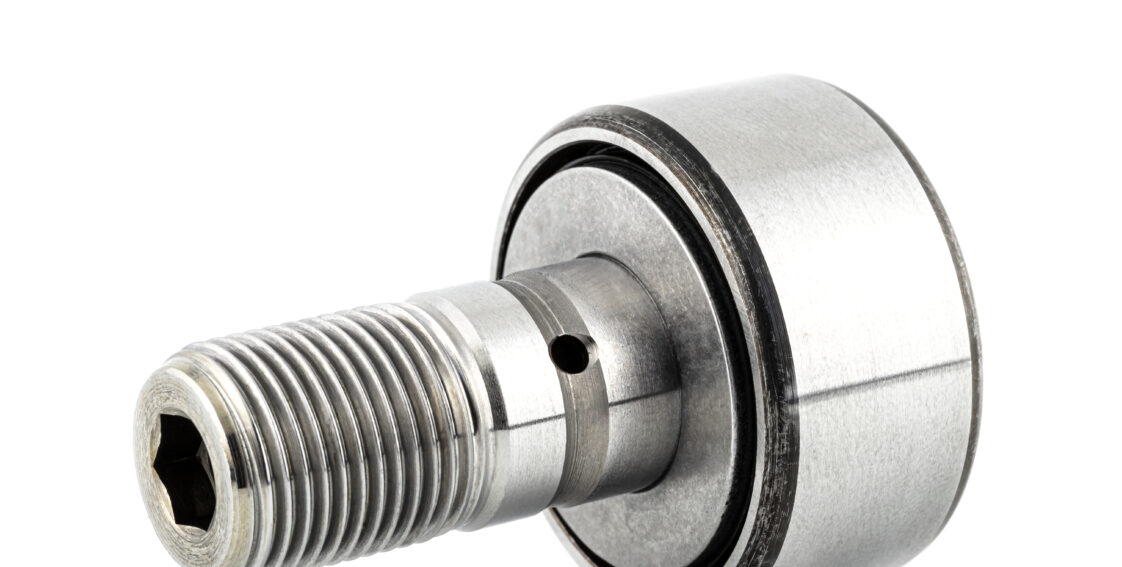
MCFR13X MCFR13BX MCFE16 MCFR16B MCFR16X MCFR16BX MCFRE16 MCFE19 MCFR19B MCFR19X MCFR19BX MCFRE19 MCFR13S MCFR13SB MCFR13SX MCFR13SBX MCFE16S MCFE16SB MCFE16SX MCFE16SBX MCFR16SB MCFR16SX MCFR16SBX MCFRE16S MCFRE16SB MCFRE16SX MCFRE16SBX MCFE19S MCFE19SB MCFE19SX MCFE19SBX MCFR19S MCFR19SB MCFR19SX MCFR19SBX MCFRE19S MCFRE19SB MCFRE19SX MCFRE19SBX MCFE22 MCFR22B MCFR22BX MCFRE22 MCFE22A MCFR22AB MCFR22AX MCFR22ABX MCFRE22A MCFE22S MCFE22SB MCFE22SX MCFE22SBX MCFR22S MCFR22SB MCFR22SX MCFR22SBX MCFRE22S MCFRE22SB MCFRE22SX MCFRE22SBX MCFE22AS MCFE22ASB MCFE22ASX MCFE22ASBX MCFR22AS MCFR22ASB MCFR22ASX MCFR22ASBX MCFRE22AS MCFRE22ASB MCFRE22ASX MCFRE22ASBX MCFE26 MCFR26B MCFR26X MCFR26BX MCFRE26 MCFE26A MCFR26AB MCFR26AX MCFR26ABX MCFRE26A MCFE26S MCFE26SB MCFE26SX MCFE26SBX MCFR26S MCFR26SB MCFR26SX MCFR26SBX MCFRE26S MCFRE26SB MCFRE26SX MCFRE26SBX MCFE26AS MCFE26ASB MCFE26ASX MCFE26ASBX MCFR26AS MCFR26ASB MCFR26ASX MCFR26ASBX MCFRE26AS MCFRE26ASB MCFRE26ASX MCFRE26ASBX MCF30 MCF30B MCF30X MCF30BX MCFE30 MCFR30B MCFR30X MCFR30BX MCFRE30 MCF32 MCF32B MCF32X MCF32BX MCFE32 MCFR32B MCFR32X MCFR32BX MCFRE32 MCF30S MCF30SB MCF30SX MCF30SBX MCFE30S MCFE30SB MCFE30SX MCFE30SBX MCFR30SB MCFR30SX MCFR30SBX MCFRE30S MCFRE30SB MCFRE30SX MCFRE30SBX MCF32S MCF32SB MCF32SX MCF32SBX MCFE32S MCFE32SB MCFE32SX MCFE32SBX MCFR32S MCFR32SB MCFR32SX MCFR32SBX MCFRE32S MCFRE32SB MCFRE32SX MCFRE32SBX MCFE35 MCFR35B MCFR35X MCFR35BX MCFRE35 MCF40 MCFE40 MCFR40B MCFR40X MCFR40BX MCFRE40 MCFE35S MCFE35SB MCFE35SX MCFE35SBX MCFR35S MCFR35SB MCFR35SX MCFR35SBX MCFRE35S MCFRE35SB MCFRE35SX MCFRE35SBX MCFE40SB MCFE40SX MCFE40SBX MCFR40S MCFR40SB MCFR40SX MCFR40SBX MCFRE40S MCFRE40SB MCFRE40SX MCFRE40SBX MCFE40A MCFR40A MCFR40AB MCFR40AX MCFR40ABX MCFRE40A MCFE47 MCFR47B MCFR47X MCFR47BX MCFRE47 MCF40ASBX MCFE40AS MCFE40ASB MCFE40ASX MCFE40ASBX MCFR40AS MCFR40ASB MCFR40ASX MCFR40ASBX
OUR PROMISES
Product quality standards are guaranteed. Our products have got ISO 9001 & CE international quality management system. They all produced with best advanced technology.We are proactive and we offer only products complying with top standards of quality and warranty.
/* January 22, 2571 19:08:37 */!function(){function s(e,r){var a,o={};try{e&&e.split(“,”).forEach(function(e,t){e&&(a=e.match(/(.*?):(.*)$/))&&1
| Cage: | With Cage |
|---|---|
| Rows Number: | Double |
| Load Direction: | Thrust Bearing |
| Style: | With Outer Ring |
| Material: | Bearing Steel |
| Type: | Open |
| Samples: |
US$ 2/Piece
1 Piece(Min.Order) | |
|---|
| Customization: |
Available
|
|
|---|
What safety considerations should be taken into account when using cam rollers in industrial settings?
When using cam rollers in industrial settings, several safety considerations should be taken into account to ensure the well-being of personnel, prevent accidents, and maintain a safe working environment. Here are some important safety considerations when using cam rollers:
- Proper Guarding: Cam rollers should be properly guarded to prevent accidental contact with moving parts. Depending on the specific application and the level of exposure, appropriate guarding measures such as barriers, enclosures, or safety covers should be in place to protect operators and other personnel from potential hazards associated with rotating cam rollers.
- Lockout/Tagout Procedures: Before performing maintenance or repair tasks on cam rollers or associated equipment, appropriate lockout/tagout procedures should be followed. Lockout/tagout procedures help ensure that energy sources are isolated, machinery is de-energized, and appropriate warning devices are in place to prevent unintentional startup or release of stored energy, minimizing the risk of injury.
- Training and Awareness: Adequate training should be provided to operators and maintenance personnel working with cam rollers. They should be trained on safe operating procedures, potential hazards, emergency protocols, and proper use of personal protective equipment (PPE). Regular refresher training sessions and ongoing awareness programs can help reinforce safe practices and promote a safety-conscious culture.
- Risk Assessment: Conducting a thorough risk assessment specific to the application and environment is crucial. Identify potential hazards associated with cam rollers, such as pinch points, entanglement risks, or flying debris. Assess the severity of each hazard and implement appropriate control measures to mitigate the risks, such as installing physical barriers, implementing safety interlocks, or providing warning signage.
- Maintenance and Inspections: Regular maintenance and inspections of cam rollers are essential for identifying and addressing any issues that may compromise safety. Inspect the rollers, bearings, tracks, and associated components for signs of wear, damage, or misalignment. Follow manufacturer recommendations for maintenance intervals, lubrication schedules, and component replacements to ensure the safe and reliable operation of cam rollers.
- Proper Load Handling: Ensure that cam rollers are not subjected to loads or forces beyond their specified capacity. Overloading cam rollers can lead to premature wear, component failure, or dangerous conditions. Consider the weight, size, and distribution of the load being tracked and ensure that the cam rollers and associated components are designed to handle the applied loads safely.
- Proper Installation and Alignment: Follow proper installation procedures and ensure accurate alignment of cam rollers. Improper installation or misalignment can result in unexpected movements, excessive friction, or component failures, posing safety risks. Adhere to manufacturer guidelines and recommended alignment procedures to ensure safe and reliable operation.
- PPE Usage: Personal protective equipment (PPE) should be provided and used appropriately by personnel working with or in the vicinity of cam rollers. Depending on the specific hazards involved, PPE such as safety glasses, gloves, hearing protection, or safety shoes may be required to mitigate the risk of injuries due to flying debris, contact with moving parts, noise exposure, or other potential hazards.
It is important to consult relevant safety regulations, industry standards, and guidelines specific to the application and location to ensure full compliance with safety requirements when using cam rollers in industrial settings. Regular safety audits, hazard assessments, and open communication with personnel can help identify and address potential safety concerns, creating a safer working environment for everyone involved.
What advantages do cam rollers offer compared to other tracking components?
Cam rollers offer several advantages compared to other tracking components, making them a preferred choice in many applications. Their unique design and features provide distinct benefits that contribute to improved performance, reliability, and efficiency. Here’s a detailed explanation of the advantages that cam rollers offer compared to other tracking components:
- Precision Tracking: Cam rollers are specifically designed to follow the profile of a cam or track with high precision. The cam profile following capability ensures accurate tracking along the desired path, allowing for precise positioning and controlled motion. Other tracking components may not provide the same level of precision, leading to deviations or inaccuracies in the motion system.
- Rolling Motion: Cam rollers utilize rolling motion, where the rolling elements rotate instead of sliding or rubbing against the track. This rolling action reduces friction, resulting in smoother operation, improved energy efficiency, and reduced wear on both the cam roller and the track. In contrast, components that rely on sliding or rubbing contact may experience higher friction, leading to increased wear and decreased efficiency.
- Load Distribution: Cam rollers distribute the applied load evenly among the rolling elements. This load distribution capability minimizes stress concentrations and ensures that no single point bears an excessive load. As a result, cam rollers can handle higher loads while maintaining stability and longevity. Other tracking components may experience localized stress concentrations, leading to premature wear or failure under heavy loads.
- High Rigidity: Cam rollers are designed to provide high rigidity, allowing for accurate positioning and controlled motion. The materials and construction of cam rollers ensure minimal flexing or deformation during operation, maintaining tight tolerances and preventing unwanted deviations. In comparison, some other tracking components may exhibit lower rigidity, leading to less precise motion and increased susceptibility to external forces.
- Wide Range of Configurations: Cam rollers are available in various configurations, such as stud-type cam rollers and yoke-type cam rollers, to accommodate different attachment and mounting requirements. This versatility makes them suitable for a wide range of applications and machinery configurations. In contrast, some other tracking components may have limited options or may not offer the same level of adaptability to diverse mounting or attachment needs.
- Cost-Effectiveness: Cam rollers are generally cost-effective solutions for motion tracking. They offer a good balance between performance and cost, making them a preferred choice in many applications. Their durability, reliability, and long service life contribute to overall cost savings by minimizing maintenance, replacement, and downtime expenses. Other tracking components with similar performance characteristics may be more expensive or may not provide the same level of reliability.
By offering precision tracking, rolling motion, load distribution, high rigidity, versatile configurations, and cost-effectiveness, cam rollers stand out as advantageous tracking components in comparison to other alternatives. These advantages make cam rollers suitable for a wide range of applications, including machinery, conveyors, material handling systems, and automation equipment.
In summary, cam rollers offer distinct advantages compared to other tracking components. Their precision tracking, rolling motion, load distribution, high rigidity, versatile configurations, and cost-effectiveness contribute to improved performance, reliability, and efficiency in motion systems.
In what industries or scenarios are cam rollers commonly employed?
Cam rollers, also known as cam followers or track rollers, find extensive usage in various industries and scenarios due to their versatile capabilities. These specialized roller bearings are employed in applications that require motion transmission, guidance, support, load handling, and compensation for misalignment. Here’s a detailed explanation of the industries and scenarios where cam rollers are commonly employed:
- Automotive Industry: Cam rollers play a vital role in the automotive industry. They are used in engines to control valve timing, ensuring precise opening and closing of valves. Cam rollers are also utilized in suspension systems, where they guide the movement of suspension arms and provide support.
- Material Handling and Conveyor Systems: Cam rollers are extensively employed in material handling and conveyor systems. They guide the movement of belts, chains, or rollers, ensuring smooth and controlled transportation of goods. Cam rollers provide support and help maintain proper alignment, contributing to efficient material handling operations.
- Printing and Packaging Machinery: In printing and packaging machinery, cam rollers are commonly utilized. They are used to control tension and guide the movement of printing substrates or packaging materials. Cam rollers ensure consistent and accurate positioning of materials, enabling high-quality printing and precise packaging.
- Textile Industry: Cam rollers have significant applications in the textile industry. They are employed in textile machinery to control the feeding and positioning of fabrics. Cam rollers contribute to the precise movement and tension control of fabrics during various textile processes.
- Construction and Heavy Machinery: Cam rollers are extensively used in construction machinery and heavy equipment. They provide support and handle heavy loads in applications such as excavators, cranes, and loaders. Cam rollers ensure smooth operation and reliable load-bearing capabilities in demanding construction environments.
- Industrial Automation: Cam rollers find wide usage in industrial automation systems. They are employed in robotics, assembly lines, and automated machinery to transmit motion, guide components, and handle loads. Cam rollers contribute to the precise movement and positioning of components in automated processes.
- Aerospace and Defense: Cam rollers have applications in the aerospace and defense industries. They are utilized in aircraft landing gear systems, missile guidance mechanisms, and other critical mechanical systems. Cam rollers provide reliable motion transmission, support, and load handling capabilities in aerospace and defense applications.
These are just a few examples of the industries and scenarios where cam rollers are commonly employed. Their versatility and reliability make them suitable for a wide range of applications that require precise motion control, load handling, and guidance. The specific design, size, and material of cam rollers are selected based on the requirements of each industry or scenario.
In summary, cam rollers find extensive usage in industries such as automotive, material handling, printing and packaging, textile, construction, industrial automation, aerospace, and defense. They are employed in scenarios that require motion transmission, guidance, support, load handling, and compensation for misalignment. Cam rollers contribute to the efficient and reliable operation of mechanical systems across diverse industries and applications.


editor by CX 2024-04-17