Product Description
Product Description
Polyformaldehyde Coated Ball Bearings is high speed bearing.It is waterproof without grease.When we using the bearing in water,the bearing’s rotating speed is more high than using in air.All specifications and all types of non-standard plastic bearings can be produce in our factory.All details will according to your requirements and drawing.
Function: door and window sheave, track wheel, limit wheel, pulley wheel.
Features:
(1) rigidity,high hardness,even at low temperatures,high impact strength
(2) good excellent elasticity,creep resistance
(3) high thermal stability and very good dimensional stability
(4)good sliding properties wear resistance
(5) physiologically inert suitable for contact with food
Product Parameters
Technical specification
Material: Bearing Steel / Stainless Steel + POM/Nylon
Packaging & Shipping
Our Advantages
1. We have over 10 years’ experience.
2. OEM or Non-Standard Bearings: Any requirement for Non-standard bearings is easily fulfilled by us due to our vast knowledge and links in the industry.
3. After Sales Service and Technical Assistance: Our company provides after-sales service and technical assistance as per the customer’s requirements and needs.
4. Quick Delivery: Our company provides just-in-time delivery with our streamlined supply chain.
5.We attend promptly to any customer questions. We believe that if our customers are satisfied then it proves our worth. Our customers are always given quick support.
Please contact us immediately if you have any questions.
Related Products
/* January 22, 2571 19:08:37 */!function(){function s(e,r){var a,o={};try{e&&e.split(“,”).forEach(function(e,t){e&&(a=e.match(/(.*?):(.*)$/))&&1
| Aligning: | Non-Aligning Bearing |
|---|---|
| Separated: | Unseparated |
| Rows Number: | Single |
| Customization: |
Available
|
|
|---|
.shipping-cost-tm .tm-status-off{background: none;padding:0;color: #1470cc}
|
Shipping Cost:
Estimated freight per unit. |
about shipping cost and estimated delivery time. |
|---|
| Payment Method: |
|
|---|---|
|
Initial Payment Full Payment |
| Currency: | US$ |
|---|
| Return&refunds: | You can apply for a refund up to 30 days after receipt of the products. |
|---|
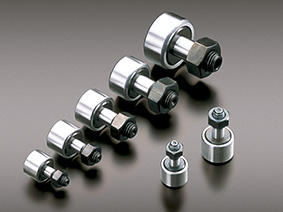
How do cam rollers contribute to the adaptability and versatility of tracking systems in various settings?
Cam rollers play a significant role in enhancing the adaptability and versatility of tracking systems across various settings. Their design and functionality enable them to meet the diverse requirements of different applications. Here’s a detailed explanation of how cam rollers contribute to the adaptability and versatility of tracking systems:
- Multiple Track Configurations: Cam rollers can be utilized in various track configurations, such as linear tracks, curved tracks, or complex multi-axis tracks. This flexibility allows tracking systems to adapt to different motion patterns and trajectories required by different applications. Whether it’s a straight-line motion, circular path, or customized multi-axis motion, cam rollers can be configured to accommodate a wide range of tracking requirements.
- Adjustable Cam Profiles: The design of cam rollers allows for adjustable cam profiles. Cam profiles determine the motion characteristics of the tracking system, including acceleration, deceleration, and dwell periods. By modifying the cam profiles, cam rollers can be customized to suit specific application needs. This adjustability enhances the adaptability of tracking systems, enabling them to handle different speed profiles, motion sequences, or tracking patterns.
- Modular and Scalable Design: Cam rollers are often designed with a modular and scalable approach, allowing for easy integration into different systems and the ability to scale up or down based on application requirements. They can be combined with other components, such as motors, gearboxes, or sensors, to create a complete tracking system. This modular design facilitates the adaptability and versatility of tracking systems, enabling customization and quick reconfiguration as per changing needs.
- Wide Range of Load Capacity: Cam rollers are available in various sizes and configurations, offering a wide range of load capacities. From lightweight applications to heavy-duty industrial settings, cam rollers can handle different loads and forces. This versatility allows tracking systems to adapt to diverse payload requirements, making them suitable for applications ranging from small-scale automation to large-scale material handling.
- Compatibility with Different Environments: Cam rollers are designed to operate in various environmental conditions. They can withstand factors like temperature variations, dust, moisture, and contaminants commonly found in industrial or outdoor settings. This compatibility with different environments enhances the adaptability of tracking systems, enabling their deployment in diverse industries such as manufacturing, logistics, automotive, and aerospace.
- Integration with Control Systems: Cam rollers can be seamlessly integrated with electronic or computer-controlled components, such as sensors, actuators, or programmable logic controllers (PLCs). This integration allows for precise control, synchronization, and automation of tracking systems. By incorporating control systems, cam rollers can adapt to dynamic operating conditions, respond to real-time feedback, and enable advanced tracking functionalities.
- Compatibility with Various Object Shapes and Sizes: Cam rollers are designed to accommodate a wide range of object shapes, sizes, and materials. They can track objects of different geometries, from flat panels to irregularly shaped components. This compatibility with various object characteristics enhances the versatility of tracking systems, enabling them to handle diverse workpieces, products, or materials.
The adaptability and versatility of tracking systems are significantly enhanced by the use of cam rollers. Their ability to work with different track configurations, adjust cam profiles, modular design, load capacity, environmental compatibility, integration with control systems, and compatibility with various object shapes and sizes makes them a valuable component in a wide range of applications, providing adaptability, flexibility, and versatility to tracking systems in diverse settings.
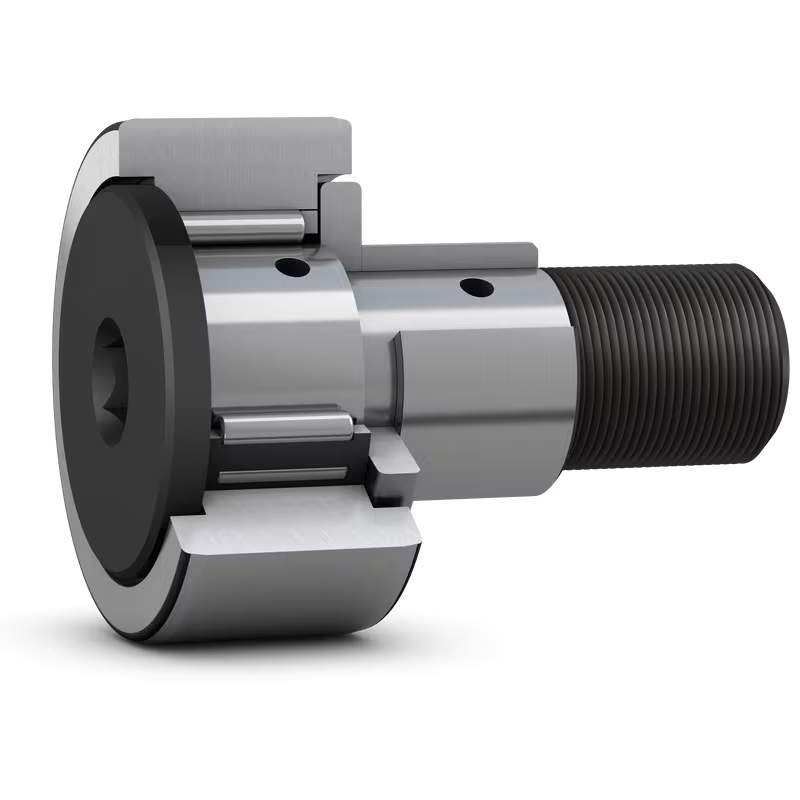
What maintenance practices are recommended for cam rollers to ensure optimal functionality?
Proper maintenance is essential for ensuring the optimal functionality and longevity of cam rollers. Regular maintenance practices help prevent premature wear, minimize downtime, and maintain the performance of cam rollers in various applications. Here are some recommended maintenance practices for cam rollers:
- Cleaning: Regularly clean the cam rollers to remove dust, dirt, and debris that can accumulate on the rolling surfaces. Use a soft brush or compressed air to clean the cam rollers, ensuring that no contaminants hinder their smooth operation.
- Lubrication: Apply appropriate lubrication to the cam rollers to reduce friction and wear. Use lubricants recommended by the manufacturer, ensuring they are compatible with the materials and operating conditions of the cam rollers. Regularly check the lubrication levels and replenish as needed.
- Inspection: Perform routine visual inspections of the cam rollers to check for any signs of wear, damage, or misalignment. Look for excessive play, deformation, or any irregularities that may affect their performance. If any issues are identified, take appropriate measures such as adjustments, repairs, or replacements.
- Tightening: Check the fasteners, such as bolts or screws, that secure the cam rollers to the equipment or mounting surfaces. Ensure that they are properly tightened to prevent loosening during operation, which could lead to misalignment or reduced performance.
- Alignment: Check the alignment of the cam rollers periodically to ensure they are properly aligned with the cam or track they are following. Misalignment can lead to increased wear, reduced accuracy, and decreased lifespan of the cam rollers. Adjust the alignment as necessary to maintain optimal functionality.
- Load Distribution: Monitor the load distribution among the rolling elements of the cam rollers. Ensure that the load is evenly distributed to prevent overloading or excessive stress on individual rolling elements. Uneven load distribution can lead to premature wear or failure of the cam rollers.
- Environmental Considerations: Consider the specific environmental conditions in which the cam rollers operate. Take appropriate measures to protect the cam rollers from corrosive substances, extreme temperatures, excessive moisture, or other environmental factors that may affect their performance. Use protective coatings, seals, or covers as needed.
- Replacement: Cam rollers have a finite lifespan, and eventually, they will need to be replaced. Monitor the wear and performance of the cam rollers over time. When signs of significant wear, damage, or reduced functionality are observed, plan for timely replacement to avoid unexpected failures or disruptions in the operation.
It is important to note that maintenance practices may vary depending on the specific design, materials, and operating conditions of the cam rollers. Therefore, it is recommended to refer to the manufacturer’s guidelines and recommendations for maintenance specific to the cam rollers being used.
By following these maintenance practices and adopting a preventive maintenance approach, operators can ensure the optimal functionality, reliability, and longevity of cam rollers in various applications.
What is a cam roller, and how is it utilized in mechanical systems?
A cam roller, also known as a cam follower or track roller, is a specialized type of roller bearing used in mechanical systems. It is designed to follow the surface profile of a cam or track and transmit motion or force between the cam and a moving component. Here’s a detailed explanation of what a cam roller is and how it is utilized in mechanical systems:
A cam roller consists of a cylindrical roller, needle roller, or ball bearing that is mounted in a stud or yoke. The stud or yoke provides a means of attachment to the moving component of the mechanical system. The roller or bearing element is housed within a thick-walled outer ring, which serves as a guide and support for the roller. The outer ring has a profile that matches the shape of the cam or track over which the cam roller operates.
The primary function of a cam roller is to convert rotary motion into linear motion or vice versa. As the cam or track rotates, the cam roller follows the profile, causing the roller to move along the track. This motion can be utilized in various ways depending on the specific application. Here are some common uses of cam rollers in mechanical systems:
- Motion Transmission: Cam rollers are often used to transmit motion from a rotating cam to a reciprocating or oscillating component. For example, in engines, cam followers are used to transfer the motion of the camshaft to the valves, opening and closing them at the appropriate timing.
- Guiding and Support: Cam rollers can also provide guidance and support to moving components in a mechanical system. They help maintain proper alignment and prevent lateral movement or deflection. This is particularly useful in applications such as conveyor systems, where cam rollers guide the movement of belts or chains.
- Load Bearing: Cam rollers are designed to withstand high loads and provide support to heavy-duty applications. They are often used in machinery and equipment where there is a need for reliable load-bearing capabilities. Examples include construction machinery, material handling equipment, and industrial automation systems.
- Compensating for Misalignment: In some applications, cam rollers are utilized to compensate for misalignment between components. The rolling motion of the cam follower allows it to adjust and accommodate slight deviations in the cam or track profile, ensuring smooth operation even in imperfect conditions.
The choice of cam roller design, size, and material depends on the specific requirements of the application. Factors such as load capacity, speed, operating conditions, and precision requirements are taken into consideration when selecting the appropriate cam roller. Regular maintenance, including lubrication and inspection of the cam roller, is important to ensure its proper functioning and longevity in the mechanical system.
In summary, a cam roller is a specialized type of roller bearing used in mechanical systems to transmit motion, provide guidance and support, bear loads, and compensate for misalignment. Its ability to follow the profile of a cam or track allows for efficient conversion of rotary motion to linear motion or vice versa. Cam rollers find application in a wide range of industries and play a crucial role in ensuring the smooth and reliable operation of mechanical systems.


editor by Dream 2024-04-26