Product Description
Welcome to HangZhou XIHU (WEST LAKE) DIS. FLIGHT SEIKO MACHINERY CO.,LTD !
We offer a wide variety of precision machining capabilities including high quality precision machined parts,
Mechanical assemblies,and cutom fabrication for automobile,textile machinery,construction machinery etc.
Our manufacturing and process capabilities are ISO9000 Certified.
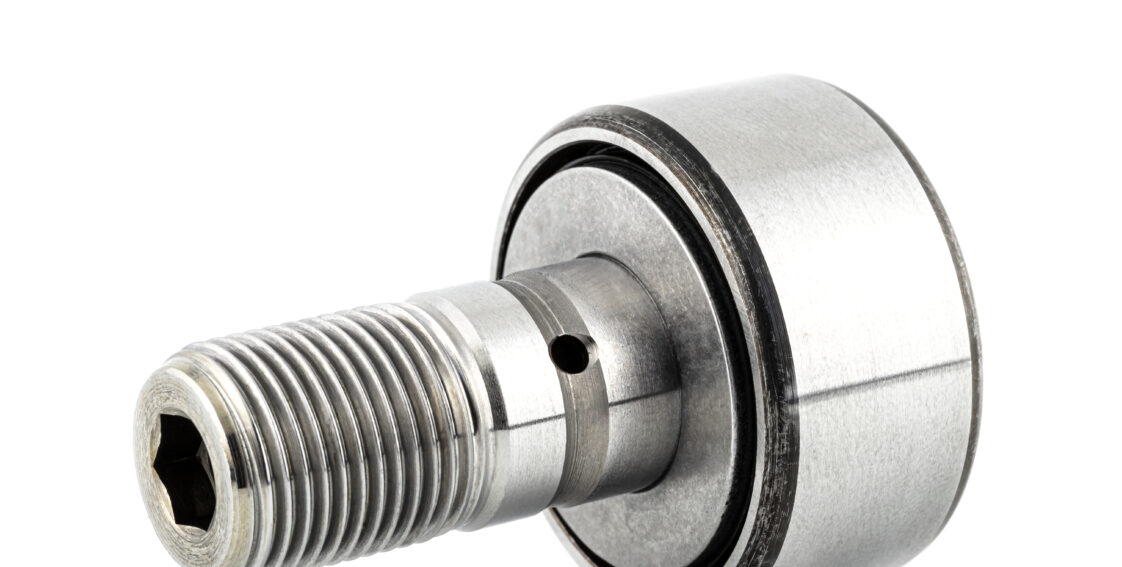
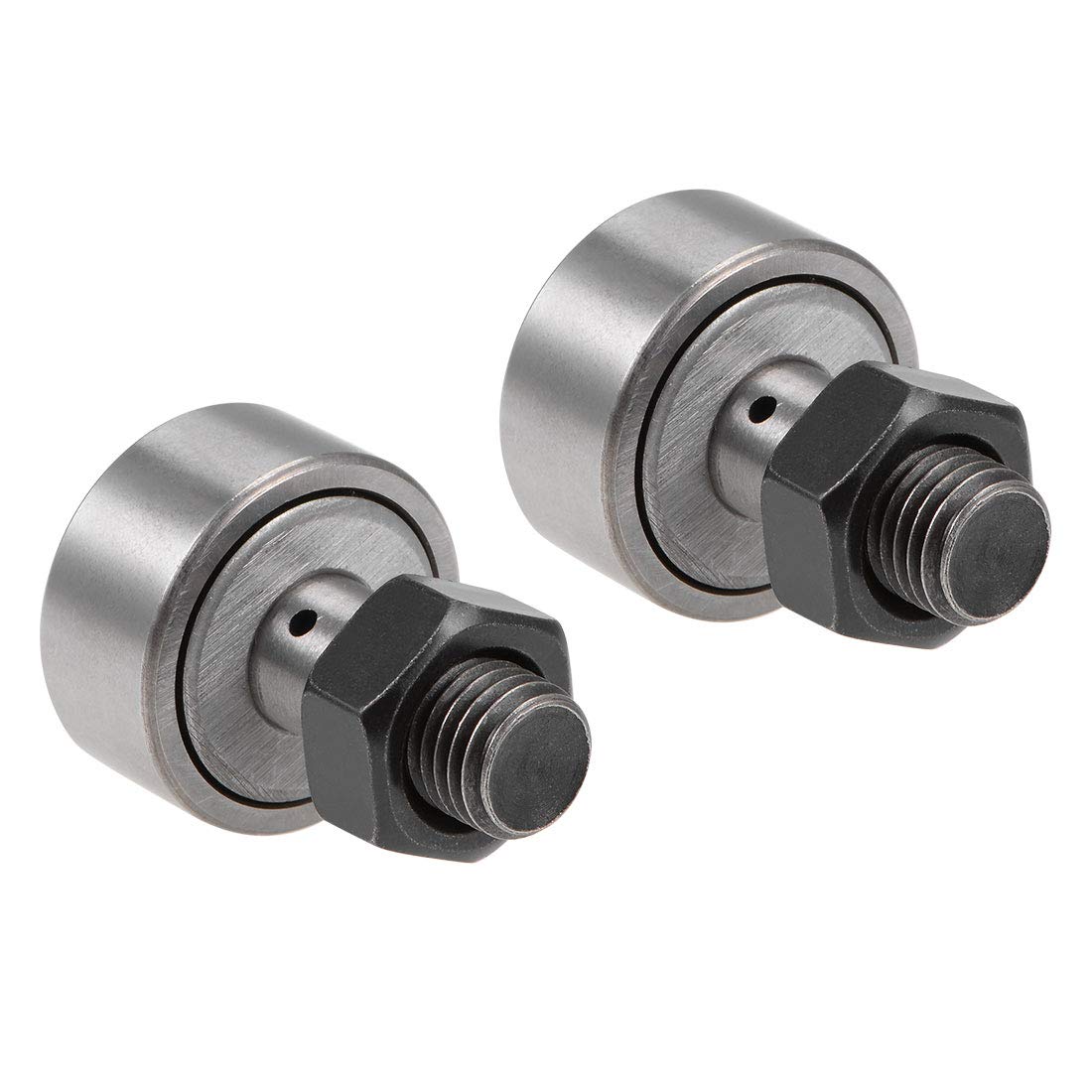
Stud type track rollers is composed of a stud used as the tray of a group of rollers and a thick wall outer ring. The shoulder of the stud and the surface retaining ring on the stud form the guiding faces on the 2 sides of the outer ring. When the curve rollers are running on the plain tray or cam wheel, the inner stress on the rollers will increase due to the deformation of the outer ring. Therefore the rated load should be selected as curve roller column in this operational case.
Characteristic of Stud type track rollers
|
Model |
External dimensions |
|||
|
|
D |
d |
C |
B |
|
mm |
||||
|
9185718 |
35 |
30 |
23 |
62 |
|
9185717 |
65 |
30 |
23 |
41.5 |
|
YSN-10A |
100 |
|
48 |
80 |
| YSN-11A | 100 | 48 | 68 | |
| YSN-03 | 62 | 25 | 16 | |
| YSN-16 | 42 | 16 | 9.9 | 10 |
| YSN-23 | 120 | 36 | 49 | |
Custom size requirement are also available
Our advantage:
1.The original 100% factory, more than 10 years’ production experience
2.Produce and process products according to your drawings and requirement.
3.All kinds of surface treatment available,such as anodizing,power coating,painting,polishing and etc.
4.Our professional R&D and QC team can strictily control the product quality to meet your requirement.
5.Our products are of high quality at cheap price,and delivered on time.
Manufacturing strength & Vehicle processing line
1.Professional operators
2.Adopting advanced CNC machine tools in Japan
3.Totally enclosed production workshop
4.Experienced managers
5.Digital control production line
6.Advanced level of technology
Production Detection
1.Complete testing facilities
2.Perfect measurement methods
3.Perfect production detection methods
4.Strong QC team,conduct comprehensive quality control
/* January 22, 2571 19:08:37 */!function(){function s(e,r){var a,o={};try{e&&e.split(“,”).forEach(function(e,t){e&&(a=e.match(/(.*?):(.*)$/))&&1
| Rolling Body: | Stud Type Track Rollers |
|---|---|
| The Number of Rows: | Stud Type Track Rollers |
| Outer Dimension: | Customized |
| Material: | Customized |
| Spherical: | Stud Type Track Rollers |
| Load Direction: | Stud Type Track Rollers |
| Samples: |
US$ 0/Piece
1 Piece(Min.Order) | |
|---|
| Customization: |
Available
|
|
|---|
What safety considerations should be taken into account when using cam rollers in industrial settings?
When using cam rollers in industrial settings, several safety considerations should be taken into account to ensure the well-being of personnel, prevent accidents, and maintain a safe working environment. Here are some important safety considerations when using cam rollers:
- Proper Guarding: Cam rollers should be properly guarded to prevent accidental contact with moving parts. Depending on the specific application and the level of exposure, appropriate guarding measures such as barriers, enclosures, or safety covers should be in place to protect operators and other personnel from potential hazards associated with rotating cam rollers.
- Lockout/Tagout Procedures: Before performing maintenance or repair tasks on cam rollers or associated equipment, appropriate lockout/tagout procedures should be followed. Lockout/tagout procedures help ensure that energy sources are isolated, machinery is de-energized, and appropriate warning devices are in place to prevent unintentional startup or release of stored energy, minimizing the risk of injury.
- Training and Awareness: Adequate training should be provided to operators and maintenance personnel working with cam rollers. They should be trained on safe operating procedures, potential hazards, emergency protocols, and proper use of personal protective equipment (PPE). Regular refresher training sessions and ongoing awareness programs can help reinforce safe practices and promote a safety-conscious culture.
- Risk Assessment: Conducting a thorough risk assessment specific to the application and environment is crucial. Identify potential hazards associated with cam rollers, such as pinch points, entanglement risks, or flying debris. Assess the severity of each hazard and implement appropriate control measures to mitigate the risks, such as installing physical barriers, implementing safety interlocks, or providing warning signage.
- Maintenance and Inspections: Regular maintenance and inspections of cam rollers are essential for identifying and addressing any issues that may compromise safety. Inspect the rollers, bearings, tracks, and associated components for signs of wear, damage, or misalignment. Follow manufacturer recommendations for maintenance intervals, lubrication schedules, and component replacements to ensure the safe and reliable operation of cam rollers.
- Proper Load Handling: Ensure that cam rollers are not subjected to loads or forces beyond their specified capacity. Overloading cam rollers can lead to premature wear, component failure, or dangerous conditions. Consider the weight, size, and distribution of the load being tracked and ensure that the cam rollers and associated components are designed to handle the applied loads safely.
- Proper Installation and Alignment: Follow proper installation procedures and ensure accurate alignment of cam rollers. Improper installation or misalignment can result in unexpected movements, excessive friction, or component failures, posing safety risks. Adhere to manufacturer guidelines and recommended alignment procedures to ensure safe and reliable operation.
- PPE Usage: Personal protective equipment (PPE) should be provided and used appropriately by personnel working with or in the vicinity of cam rollers. Depending on the specific hazards involved, PPE such as safety glasses, gloves, hearing protection, or safety shoes may be required to mitigate the risk of injuries due to flying debris, contact with moving parts, noise exposure, or other potential hazards.
It is important to consult relevant safety regulations, industry standards, and guidelines specific to the application and location to ensure full compliance with safety requirements when using cam rollers in industrial settings. Regular safety audits, hazard assessments, and open communication with personnel can help identify and address potential safety concerns, creating a safer working environment for everyone involved.
How does the choice of materials impact the performance of cam rollers in different environments?
The choice of materials significantly impacts the performance of cam rollers, especially when it comes to their operation in different environments. The selection of appropriate materials ensures the durability, reliability, and efficiency of cam rollers, while also ensuring they can withstand the specific conditions and challenges posed by different environments. Here’s a detailed explanation of how the choice of materials impacts the performance of cam rollers in different environments:
- Corrosive Environments: In corrosive environments where cam rollers may come into contact with chemicals, moisture, or other corrosive agents, the choice of materials is critical to prevent corrosion and maintain performance. Materials such as stainless steel or corrosion-resistant coatings like zinc plating or epoxy coatings are commonly used to protect cam rollers from corrosion, ensuring their longevity and reliable operation.
- High-Temperature Environments: In high-temperature environments, the choice of materials for cam rollers is crucial to ensure dimensional stability and resistance to heat-induced degradation. Heat-resistant materials such as high-temperature alloys or ceramics are employed to withstand elevated temperatures without compromising performance or structural integrity.
- Low-Temperature Environments: In low-temperature environments, materials used for cam rollers should retain their mechanical properties and flexibility even at extremely low temperatures. Some materials, such as certain grades of stainless steel or special polymers like PTFE (polytetrafluoroethylene), exhibit excellent low-temperature performance and are suitable for cam rollers operating in cold environments.
- High-Speed Applications: In high-speed applications where cam rollers experience rapid rotational speeds, material selection is crucial to ensure reliable and safe operation. High-performance materials with excellent wear resistance, low friction coefficients, and high strength are preferred to withstand the stresses and demands of high-speed rotation without premature wear or failure.
- High-Load Applications: In applications where cam rollers experience heavy loads, the choice of materials is essential to ensure sufficient load-carrying capacity and resistance to deformation or fatigue. Materials with high strength, hardness, and toughness, such as hardened steels or bearing-grade alloys, are commonly used to withstand the high loads and prevent premature wear or failure under heavy load conditions.
- Cleanroom Environments: In cleanroom environments where strict cleanliness and contamination control are necessary, the choice of materials for cam rollers is critical. Materials that are low in particle generation, have low outgassing properties, and can withstand frequent cleaning and sterilization procedures are preferred to maintain the cleanliness and integrity of the cleanroom environment.
- Food and Beverage Industry: In the food and beverage industry, cam rollers may need to comply with specific food safety regulations and requirements. Materials that are FDA-approved, food-grade, and resistant to chemicals or cleaning agents commonly used in the industry are selected to ensure the hygienic operation of cam rollers in food processing, packaging, or handling applications.
By carefully considering the environmental conditions and requirements of different applications, manufacturers can select the appropriate materials for cam rollers to optimize their performance and longevity. Material choices should take into account factors such as corrosion resistance, temperature resistance, speed capability, load capacity, cleanliness, and compliance with industry-specific regulations.
In summary, the choice of materials has a significant impact on the performance of cam rollers in different environments. The selection of appropriate materials ensures resistance to corrosion, high or low temperatures, enables high-speed or high-load operation, facilitates cleanliness in cleanroom environments, and meets specific requirements of industries like food and beverage. By choosing the right materials, cam rollers can deliver reliable, efficient, and long-lasting performance in diverse operating conditions.
What are the different types and configurations of cam rollers available in the market?
Cam rollers, also known as cam followers or track rollers, are available in various types and configurations to suit different applications and requirements. The selection of the appropriate type and configuration depends on factors such as load capacity, speed, operating conditions, and specific application needs. Here’s a detailed explanation of the different types and configurations of cam rollers available in the market:
- Stud-Type Cam Rollers: Stud-type cam rollers have a stud or bolt that extends from the roller’s outer ring. The stud allows for secure attachment to the moving part of the mechanical system. Stud-type cam rollers are commonly used in applications that require high radial loads and moderate thrust loads, such as camshaft followers in engines or support rollers in conveyor systems.
- Yoke-Type Cam Rollers: Yoke-type cam rollers have a yoke or mounting flange that provides a broader surface area for attachment. The yoke is typically bolted or clamped to the moving component. Yoke-type cam rollers are suitable for applications with higher radial and axial loads, such as in heavy machinery or industrial automation systems.
- Full Complement Cam Followers: Full complement cam followers have a design that incorporates a maximum number of rolling elements, providing high load-carrying capacity. These cam rollers do not have a cage or roller retainer, allowing for more rollers to be included. Full complement cam followers are commonly used in applications where maximum load capacity is required, but speed and precision may be lower priority.
- Caged Cam Followers: Caged cam followers have a cage or roller retainer that separates and guides the rolling elements. The cage maintains proper spacing and alignment of the rollers. Caged cam followers offer advantages such as reduced friction, improved speed capability, and better roller control. They are suitable for applications that require higher speeds, precision, and controlled roller movement.
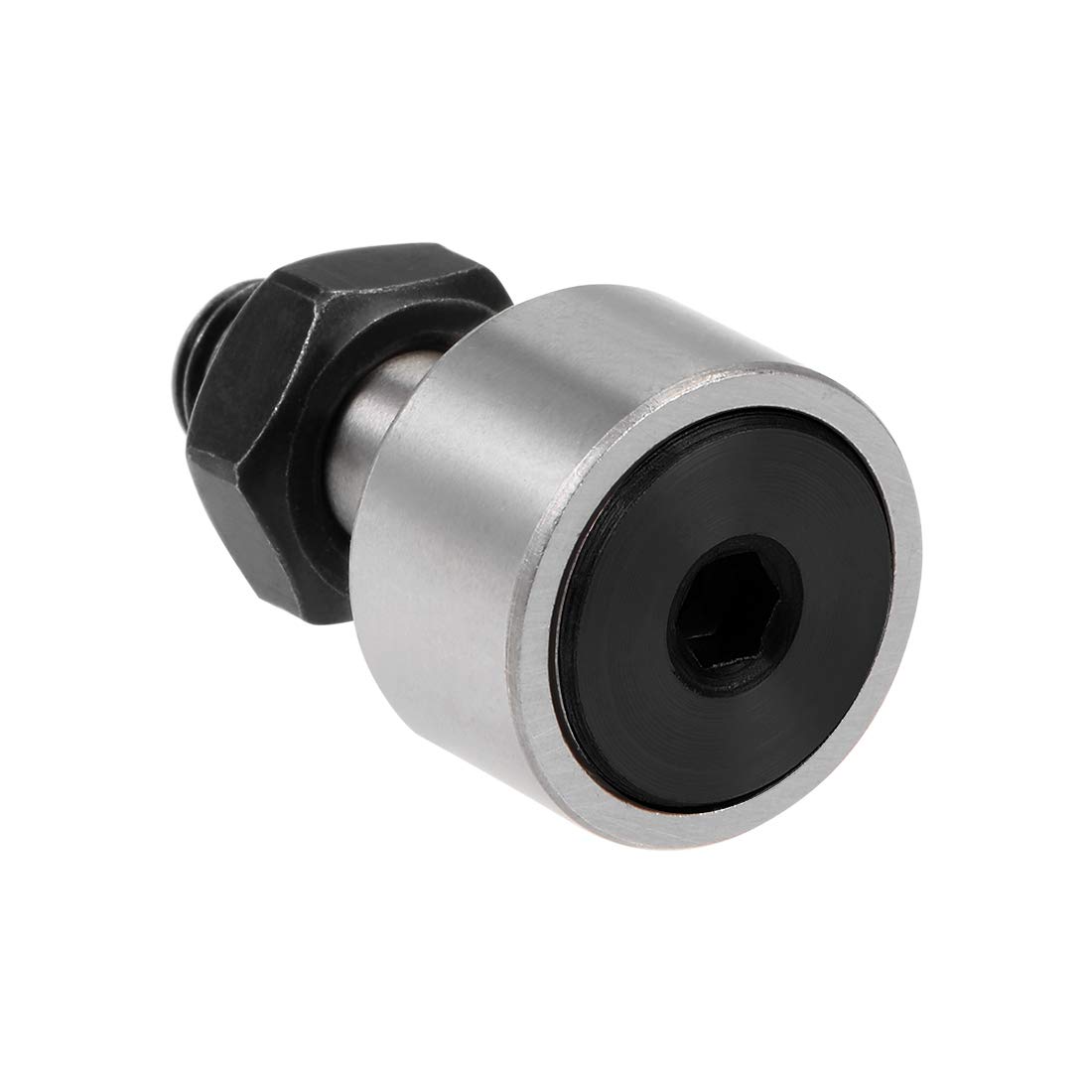
- Hexagonal Bore Cam Followers: Hexagonal bore cam followers have a hexagonal-shaped inner bore instead of a cylindrical bore. This design allows for direct tightening using a hexagonal wrench, simplifying installation and adjustment. Hexagonal bore cam followers are commonly used in applications where frequent adjustment or repositioning is required, such as in printing machinery or packaging equipment.
- Stud-Type with Eccentric Collar: This type of cam roller features a stud with an eccentric collar. The eccentric collar allows for easy adjustment of the roller’s position by rotating the collar, providing a simple means of adjusting the preload or clearance in the system. Stud-type cam rollers with eccentric collars are commonly used in applications that require precise adjustment, such as in tensioning systems or in machinery with adjustable clearances.
These are some of the commonly available types and configurations of cam rollers in the market. Each type offers specific advantages and is designed to meet the demands of different applications. It is important to consider factors such as load capacity, speed requirements, precision, and specific application needs when selecting the appropriate type and configuration of cam roller.
In summary, the market offers a variety of cam roller types and configurations, including stud-type, yoke-type, full complement, caged, hexagonal bore, and stud-type with eccentric collar. Each type has its own advantages and is suitable for specific applications based on load capacity, speed, precision, and adjustability requirements.


editor by Dream 2024-04-24