Product Description
Hitachi Parts Excavator Upper Track Roller Top Roller for EX300
| Products information |
| Product name | Excavator/ Bulldozer Track Roller, Excavator Undercarriage Parts |
| Material | 35MnB/40Mn2 |
| Color | Yellow or Black or Customized |
| Technique | Forging/ Casting |
| Finish | Smooth |
| Surface Hardness/Hardness Depth | HRC52-59/8-12mm |
| Packing | standard export packed |
| Port | HangZhou, Xihu (West Lake) Dis. port |
| Time of delivery | Within 15 days after contact and negotiation |
| Payment terms | T/T, L/C, Western Union and so on |
Hitachi Parts Excavator Upper Track Roller Top Roller for EX300
| Related Products |
Hitachi Parts Excavator Upper Track Roller Top Roller for EX300
| Package & Delivery |
1.Package:
Cartons, wooden cases, pallets, etc., according to customer requirements.
2.Delivery type:
A.International Courier, Such as DHL, TNT,UPS or Fedex.
B.By air/By sea/By land.
Hitachi Parts Excavator Upper Track Roller Top Roller for EX300
| About us |
HangZhou CHINAMFG Machinery Co., Ltd. Located in HangZhou city, ZheJiang Province, China. We are a manufacturer
and exporter, specialized in the research, development and production of undercarriage parts for tractor
excavators and bulldozers, all kinds of generator set and engine, refrigeration compressors and spray
polyurea coating materials.
Professional providing in a wide range of construction machine spare parts for crawler excavator,bulldozer,crane:
| 1.Undercarriage Parts | carrier roller, track roller, idler, sprocket, | |||
| adjuster cylinder assy, track shoe, track link, | ||||
| bucket, bucket bushi, bucket teeth, teeth adapter, bolt and nut etc. | ||||
| 2.Engine parts | cylinder block, cylinder head, liner kits, con rod, engine bearing, | |||
| in/ex valve, valve seat, gasket kit, head gaskit, crankshaft, | ||||
| cam shaft,water pump, fuel pump, oil pump, turbocharger, | ||||
| nozzle, oil cooler assy, manifold exhaust etc | ||||
| 3.Seal kits | boom/arm/bucket cylinder seal kit, hydraulic pump seal kit, | |||
| swing motor seal kit,travel motor seal kit, control valve seal kit, | ||||
| adjuster seal kit, center joint seal kit,gear pump seal kit, | ||||
| regulator seal kit, breaker seal kit, bulldozer seal kit etc. | ||||
| 4.Hydraulic parts | hydraulic pump, swing motor assy, travel motor assy, gearbox, | |||
| main control valve, foot valve, operating od assy, pilot pump, | ||||
| regulator, center joint, relief valve, bearing, hydraulic spare parts, gear, etc. | ||||
| 5.Filter | oil filter, fuel filter, hydraulic filter, air filter, oil water seperator etc. | |||
| 6.Gear parts | travel,swing motor:sun gear,shaft,carrier assy,housing,hub,cover. | |||
Hitachi Parts Excavator Upper Track Roller Top Roller for EX300
| FAQ |
1. How can I be sure the part will fit my excavators and bulldozers?
Give us correct model number/machine serial number/ any numbers on the parts itself. Or measure the parts give us dimension or drawing.
2.How about the payment terms?
We usually accept T/T or L/C. other terms also could be negotiated.
3.What is your delivery time?
FOB HangZhou or any Chinese port : 30-40 days . If parts are in stock , our delivery time is only 7-10 days.
4.What are the modes of transportation?
We respect the choice of customers, will also provide advice to customers, the specific mode of transportation can be negotiated.
5.What about Quality Control?
We have a perfect QC system for the perfect products. A team who will detect the product quality and specification piece carefully, monitoring every production process until packing is complete, to ensure product safety into container.
If you are interested in our products, please feel free to contact us to discuss. /* March 10, 2571 17:59:20 */!function(){function s(e,r){var a,o={};try{e&&e.split(“,”).forEach(function(e,t){e&&(a=e.match(/(.*?):(.*)$/))&&1
| After-sales Service: | Online Support |
|---|---|
| Warranty: | 12 Month |
| Type: | Crawler Excavator, Excavator Bucket |
| Application: | Excavator |
| Certification: | CE, ISO9001: 2000, CE, ISO9001: 2000 |
| Condition: | New |
| Customization: |
Available
|
|
|---|
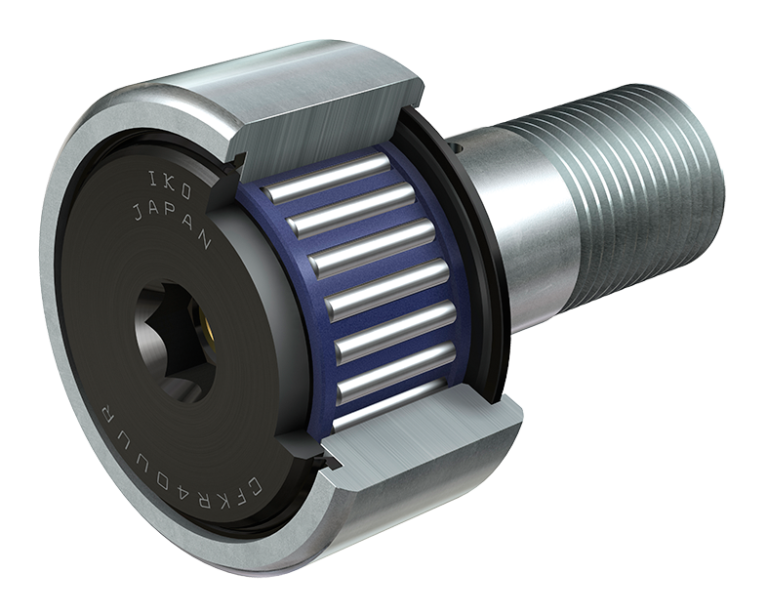
Are there innovations or advancements in cam roller technology that have emerged recently?
Yes, there have been several innovations and advancements in cam roller technology in recent years. These developments aim to improve performance, durability, efficiency, and versatility of cam rollers in various applications. Here are some notable innovations and advancements in cam roller technology:
- Advanced Materials: Manufacturers are continually exploring new materials and coatings to enhance the performance and durability of cam rollers. Advanced materials such as ceramic or composite materials with high strength-to-weight ratios and excellent wear resistance are being used to improve the longevity and efficiency of cam rollers. Additionally, specialized surface coatings, such as diamond-like carbon (DLC) coatings or low-friction coatings, are being applied to reduce friction, minimize wear, and optimize performance.
- Optimized Designs: Cam roller designs have evolved to optimize performance and functionality. Innovative design features, such as optimized cam profiles, improved roller geometries, and enhanced bearing arrangements, are being employed to reduce friction, increase load-carrying capacity, improve tracking accuracy, and minimize noise and vibration. These optimized designs help achieve smoother motion, higher efficiency, and improved overall performance of cam rollers.
- Lubrication Technologies: Advancements in lubrication technologies are contributing to the efficiency and longevity of cam rollers. Specialized lubricants with enhanced properties, such as higher temperature resistance, extended lubrication intervals, and reduced friction coefficients, are being developed. Self-lubricating cam rollers incorporating solid lubricants or oil-impregnated polymers are also gaining popularity, reducing the need for frequent maintenance and lubrication while ensuring smooth operation.
- Integrated Sensor Technology: Integration of sensors directly into cam rollers is an emerging trend in recent advancements. Position sensors, force sensors, or temperature sensors can be integrated within the cam roller assembly to provide real-time data on motion, load, or operating conditions. This information enables precise control, condition monitoring, and predictive maintenance of the cam roller system, improving overall performance and reliability.
- Smart and Connected Features: With the rise of Industry 4.0 and the Internet of Things (IoT), cam rollers are being equipped with smart and connected features. Wireless connectivity, embedded microcontrollers, and communication protocols enable real-time monitoring, remote control, and data exchange with other components or systems. These smart and connected features enhance the functionality, diagnostics, and integration capabilities of cam rollers in automated and interconnected environments.
- Simulation and Modeling: Advances in computer-aided design (CAD) and simulation tools have facilitated the optimization of cam roller systems. Virtual modeling and simulation techniques help engineers analyze and fine-tune the design parameters, kinematics, and performance characteristics of cam rollers before physical prototyping. This enables faster development cycles, improved performance predictions, and reduced time-to-market for innovative cam roller designs.
These recent innovations and advancements in cam roller technology are driving improvements in performance, efficiency, reliability, and functionality. They are expanding the capabilities of cam rollers and enabling their application in a wider range of industries and challenging environments.
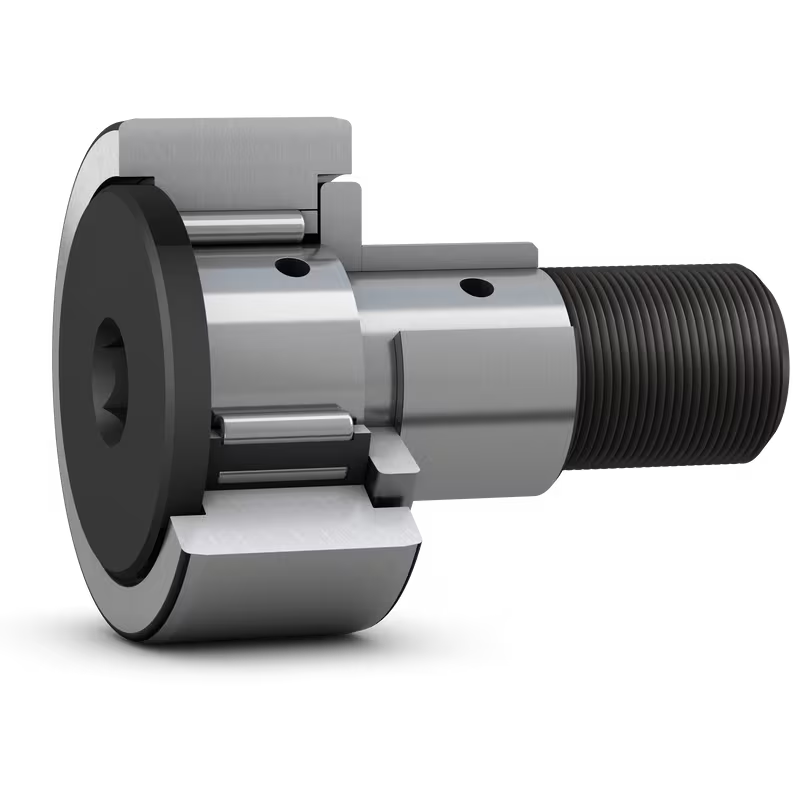
What maintenance practices are recommended for cam rollers to ensure optimal functionality?
Proper maintenance is essential for ensuring the optimal functionality and longevity of cam rollers. Regular maintenance practices help prevent premature wear, minimize downtime, and maintain the performance of cam rollers in various applications. Here are some recommended maintenance practices for cam rollers:
- Cleaning: Regularly clean the cam rollers to remove dust, dirt, and debris that can accumulate on the rolling surfaces. Use a soft brush or compressed air to clean the cam rollers, ensuring that no contaminants hinder their smooth operation.
- Lubrication: Apply appropriate lubrication to the cam rollers to reduce friction and wear. Use lubricants recommended by the manufacturer, ensuring they are compatible with the materials and operating conditions of the cam rollers. Regularly check the lubrication levels and replenish as needed.
- Inspection: Perform routine visual inspections of the cam rollers to check for any signs of wear, damage, or misalignment. Look for excessive play, deformation, or any irregularities that may affect their performance. If any issues are identified, take appropriate measures such as adjustments, repairs, or replacements.
- Tightening: Check the fasteners, such as bolts or screws, that secure the cam rollers to the equipment or mounting surfaces. Ensure that they are properly tightened to prevent loosening during operation, which could lead to misalignment or reduced performance.
- Alignment: Check the alignment of the cam rollers periodically to ensure they are properly aligned with the cam or track they are following. Misalignment can lead to increased wear, reduced accuracy, and decreased lifespan of the cam rollers. Adjust the alignment as necessary to maintain optimal functionality.
- Load Distribution: Monitor the load distribution among the rolling elements of the cam rollers. Ensure that the load is evenly distributed to prevent overloading or excessive stress on individual rolling elements. Uneven load distribution can lead to premature wear or failure of the cam rollers.
- Environmental Considerations: Consider the specific environmental conditions in which the cam rollers operate. Take appropriate measures to protect the cam rollers from corrosive substances, extreme temperatures, excessive moisture, or other environmental factors that may affect their performance. Use protective coatings, seals, or covers as needed.
- Replacement: Cam rollers have a finite lifespan, and eventually, they will need to be replaced. Monitor the wear and performance of the cam rollers over time. When signs of significant wear, damage, or reduced functionality are observed, plan for timely replacement to avoid unexpected failures or disruptions in the operation.
It is important to note that maintenance practices may vary depending on the specific design, materials, and operating conditions of the cam rollers. Therefore, it is recommended to refer to the manufacturer’s guidelines and recommendations for maintenance specific to the cam rollers being used.
By following these maintenance practices and adopting a preventive maintenance approach, operators can ensure the optimal functionality, reliability, and longevity of cam rollers in various applications.
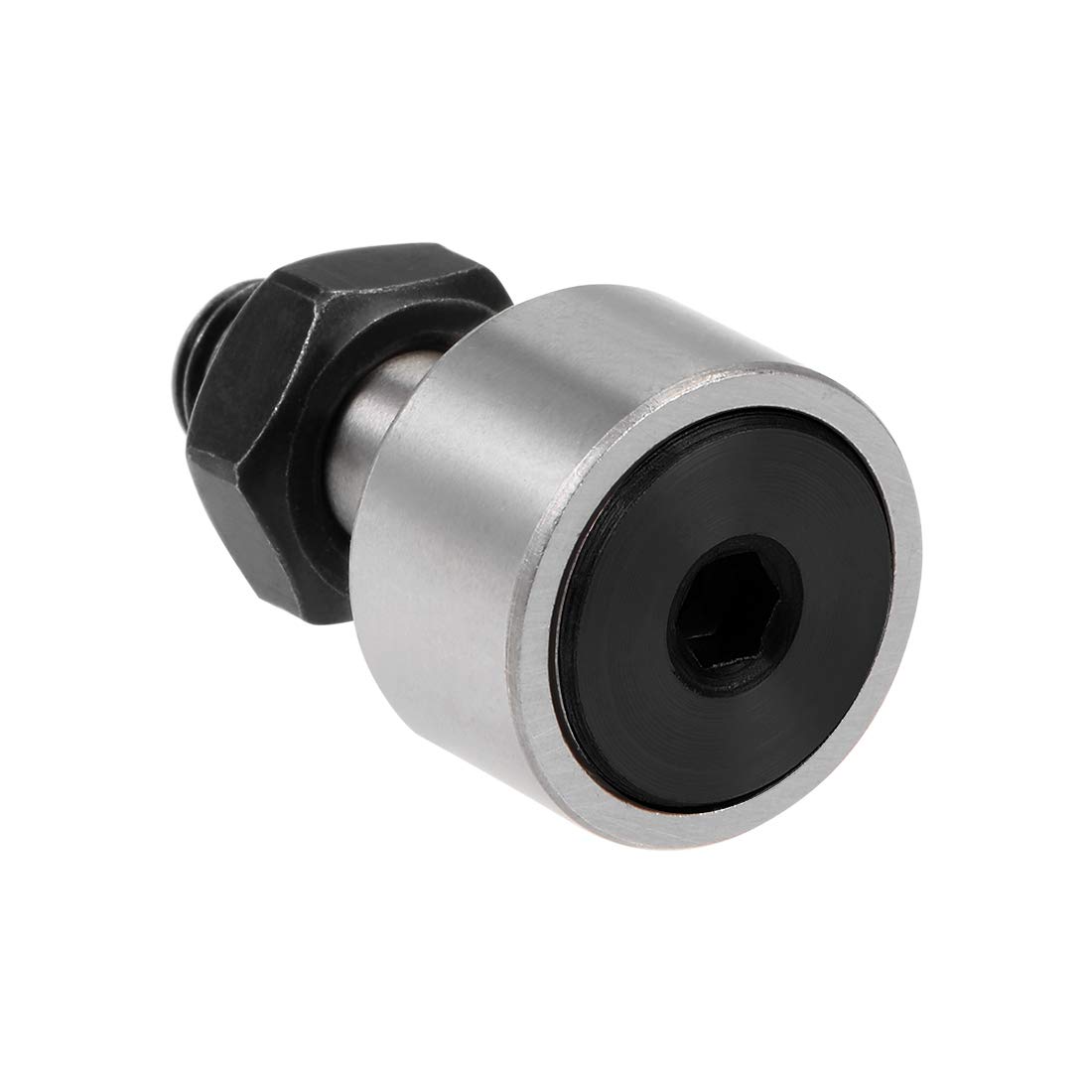
What are the different types and configurations of cam rollers available in the market?
Cam rollers, also known as cam followers or track rollers, are available in various types and configurations to suit different applications and requirements. The selection of the appropriate type and configuration depends on factors such as load capacity, speed, operating conditions, and specific application needs. Here’s a detailed explanation of the different types and configurations of cam rollers available in the market:
- Stud-Type Cam Rollers: Stud-type cam rollers have a stud or bolt that extends from the roller’s outer ring. The stud allows for secure attachment to the moving part of the mechanical system. Stud-type cam rollers are commonly used in applications that require high radial loads and moderate thrust loads, such as camshaft followers in engines or support rollers in conveyor systems.
- Yoke-Type Cam Rollers: Yoke-type cam rollers have a yoke or mounting flange that provides a broader surface area for attachment. The yoke is typically bolted or clamped to the moving component. Yoke-type cam rollers are suitable for applications with higher radial and axial loads, such as in heavy machinery or industrial automation systems.
- Full Complement Cam Followers: Full complement cam followers have a design that incorporates a maximum number of rolling elements, providing high load-carrying capacity. These cam rollers do not have a cage or roller retainer, allowing for more rollers to be included. Full complement cam followers are commonly used in applications where maximum load capacity is required, but speed and precision may be lower priority.
- Caged Cam Followers: Caged cam followers have a cage or roller retainer that separates and guides the rolling elements. The cage maintains proper spacing and alignment of the rollers. Caged cam followers offer advantages such as reduced friction, improved speed capability, and better roller control. They are suitable for applications that require higher speeds, precision, and controlled roller movement.
- Hexagonal Bore Cam Followers: Hexagonal bore cam followers have a hexagonal-shaped inner bore instead of a cylindrical bore. This design allows for direct tightening using a hexagonal wrench, simplifying installation and adjustment. Hexagonal bore cam followers are commonly used in applications where frequent adjustment or repositioning is required, such as in printing machinery or packaging equipment.
- Stud-Type with Eccentric Collar: This type of cam roller features a stud with an eccentric collar. The eccentric collar allows for easy adjustment of the roller’s position by rotating the collar, providing a simple means of adjusting the preload or clearance in the system. Stud-type cam rollers with eccentric collars are commonly used in applications that require precise adjustment, such as in tensioning systems or in machinery with adjustable clearances.
These are some of the commonly available types and configurations of cam rollers in the market. Each type offers specific advantages and is designed to meet the demands of different applications. It is important to consider factors such as load capacity, speed requirements, precision, and specific application needs when selecting the appropriate type and configuration of cam roller.
In summary, the market offers a variety of cam roller types and configurations, including stud-type, yoke-type, full complement, caged, hexagonal bore, and stud-type with eccentric collar. Each type has its own advantages and is suitable for specific applications based on load capacity, speed, precision, and adjustability requirements.


editor by CX 2024-02-27