Product Description
CCFH11/16SB CF3/4B CCFE3/4 CCFE3/4B CCFH3/4 CCFH3/4B CF7/8B CCF7/8 CCF7/8B CF3/4S CF3/4SB CCFE3/4S CCFE3/4SB CCFH3/4S CCFH3/4SB CF7/8S CF7/8SB CCF7/8S CCF7/8SB CCFE7/8S CCFE7/8SB CFH7/8S CFH7/8SB CCFH7/8S CCFH7/8SB CF3/4B CCFH3/4 CCFH3/4B CF7/8B CCF7/8 CCF7/8B CCFE7/8 CCFE7/8B CFH7/8 CFH7/8B CCFH7/8 CCFH7/8B CFE7/8S CF3/4 CCF3/4B CF7/8 CF1 CF1B CCF1B CCFE1B CFH1B CCFH1 CCFH1B CF1 1/8 CF1 1/8B CCFH1 1/8 CCFH1 1/8B CF1S CF1SB CCF1S CFE1S CFE1SB CCFE1S CCFE1SB CFH1S CFH1SB CCFH1S CCFH1SB CF1 1/8S CF1 1/8SB CFE1 1/8SB CCFH1 1/8S CCFH1 1/8SB CF1 1/4 CF1 1/4B CCFE1 1/4 CCFH1 1/4 CCFH1 1/4B CF1 3/8 CF13/8B CCF1 3/8 CFH1 3/8B CCFH1 3/8 CCFH1 3/8B CF1 1/4S CF1 1/4SB CCFH1 1/4S CCFH1 1/4SB CF1 3/8S CF1 3/8SB CCFH1 3/8S CCFH1 3/8SB CF1 1/2 CF1 1/2B CCFH1 1/2 CCFH1 1/2B CF1 5/8 CF1 5/8B CF1 1/2S CF1 1/2SB CCFH1 1/2S CCFH1 1/2SB CF1 5/8S CF1 5/8SB CCFH1 5/8S CCFH1 5/8SB CF1 1/2 CF1 1/2B CCF1 1/2 CCFH1 1/2B CF1 5/8 CF1 5/8 B CCFH1 5/8 CCFH1 5/8B CF1 1/2S CF1 1/2SB CCFH1 1/2S CCFH1 1/2SB CF1 5/8S CF1 5/8SB CCFH1 5/8S CCFH1 5/8SB CCFH1 5/8 CCFH1 5/8B CCF1 1/2SB CF1 3/4 CF1 3/4B CCFH1 3/4 CCFH1 3/4B CF1 7/8 CF1 7/8B CCFH1 7/8 CCFH1 7/8B CF1 3/4S CF1 3/4SB CCFH1 3/4S CCFH1 3/4SB CF1 7/8S CF1 7/8SB CCFH1 7/8S CCFH1 7/8SB CCFH1 7/8S CCFH1 7/8SB CF2 CF2B CCF2 CCF2B CFE2 CCFE2 CCFE2B CFH2 CFH2B CCFH2 CCFH2B CF2 1/4 CF2 1/4B CCF2 1/4 CCF2 1/4B CFE2 1/4 CFE2 1/4B CCFE2 1/4 CCFE2 1/4B CFH2 1/4 CFH2 1/4B CCFH2 1/4 CCFH2 1/4B CF2S CF2SB CCF2S CCF2SB CFE2S CFE2SB CCFE2S CCFE2SB CFH2S CFH2SB CCFH2S CCFH2SB CF2 1/4S CF2 1/4SB CCF2 1/4S CCF2 1/4SB CFE2 1/4S CFE2 1/4SB CCFE2 1/4S CCFE2 1/4SB CFH2 1/4S CFH2 1/4SB CCFH2 1/4S CCFH2 1/4SB CCFH2S CCFH2SB CF2 1/4S CF2 1/4SB CCF2 1/4S CCF2 1/4SB CFE2 1/4S CFE2 1/4SB CCFE2 1/4S CCFE2 1/4SB CFH2 1/4S CFH2 1/4SB CCFH2 1/4S CCFH2 1/4SB CF2 1/2 CF2 1/2B CCF2 1/2 CCF2 1/2B CFE2 1/2 CFE2 1/2B CCFE2 1/2 CCFE2 1/2B CFH2 1/2 CFH2 1/2B CCFH2 1/2 CCFH2 1/2B CF2 3/4 CF2 3/4B CCF2 3/4 CCF2 3/4B CFE2 3/4 CFE2 3/4B CCFE2 3/4 CCFE2 3/4B CFH2 3/4 CFH2 3/4B CCFH2 3/4 CCFH2 3/4B CF2 1/2S CF2 1/2SB CCF2 1/2S CCF2 1/2SB CFE2 1/2S CFE2 1/2SB
OUR PROMISES
Product quality standards are guaranteed. Our products have got ISO 9001 & CE international quality management system. They all produced with best advanced technology.We are proactive and we offer only products complying with top standards of quality and warranty.
/* January 22, 2571 19:08:37 */!function(){function s(e,r){var a,o={};try{e&&e.split(“,”).forEach(function(e,t){e&&(a=e.match(/(.*?):(.*)$/))&&1
| Cage: | With Cage |
|---|---|
| Rows Number: | Double |
| Load Direction: | Thrust Bearing |
| Style: | With Outer Ring |
| Material: | Bearing Steel |
| Type: | Open |
| Samples: |
US$ 2/Piece
1 Piece(Min.Order) | |
|---|
| Customization: |
Available
|
|
|---|
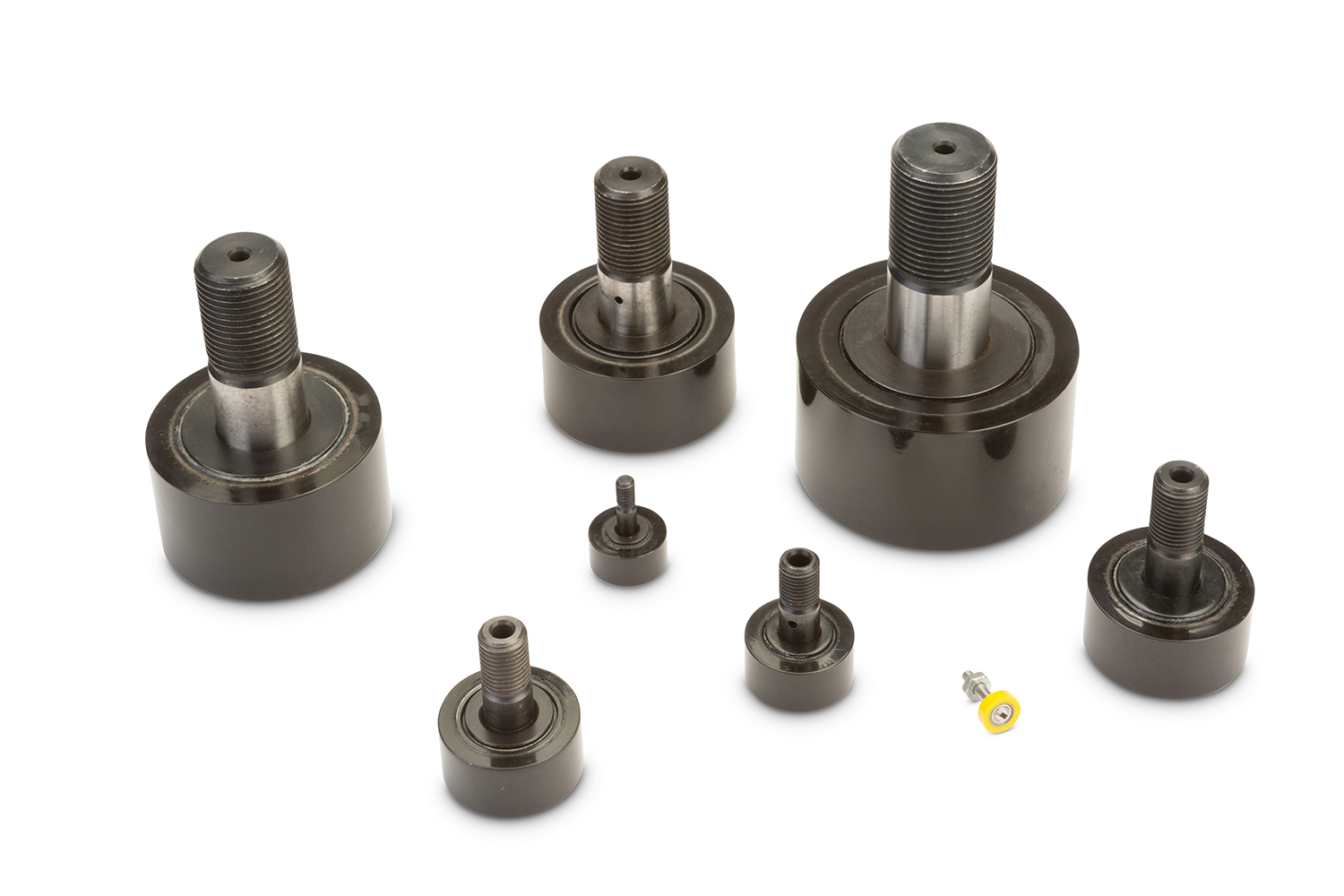
How does the choice of cam rollers affect the overall performance and reliability of tracking systems?
The choice of cam rollers plays a crucial role in determining the overall performance and reliability of tracking systems. Different factors associated with cam rollers can significantly impact the system’s functionality, efficiency, and longevity. Here’s a detailed explanation of how the choice of cam rollers affects the overall performance and reliability of tracking systems:
- Load Capacity: The load capacity of cam rollers is a critical consideration. Choosing cam rollers with an appropriate load capacity ensures that the tracking system can handle the required weight and forces without compromising performance or risking component failure. Selecting cam rollers with inadequate load capacity may lead to premature wear, excessive friction, or system instability, affecting the overall reliability and performance.
- Roller Material and Durability: Cam rollers are available in various materials, such as steel, stainless steel, or plastic. The choice of material impacts the durability, resistance to wear, and overall lifespan of cam rollers. In harsh or corrosive environments, selecting corrosion-resistant materials can enhance the reliability and longevity of the tracking system. Evaluating the operating conditions and selecting cam rollers with appropriate material properties is essential for ensuring long-term performance.
- Lubrication Requirements: Proper lubrication is crucial for the smooth operation and longevity of cam rollers. Different types of cam rollers have varying lubrication requirements, ranging from self-lubricating options to those that require regular maintenance. Consider the lubrication demands of cam rollers and ensure that they align with the operational needs and maintenance capabilities of the tracking system. Adequate lubrication reduces friction, minimizes wear, and enhances the overall reliability of the system.
- Accuracy and Precision: The choice of cam rollers can affect the accuracy and precision of the tracking system. Cam rollers with high-quality manufacturing and precision engineering contribute to smoother and more consistent motion. They provide better control over acceleration, deceleration, and dwell periods, resulting in improved tracking accuracy. Selecting cam rollers with the appropriate design and manufacturing tolerances ensures the desired level of precision in tracking applications.
- Environmental Compatibility: Different tracking systems operate in various environmental conditions, including temperature extremes, dust, moisture, or contaminants. The choice of cam rollers should consider the compatibility with the specific environment in which the tracking system will be utilized. Opting for cam rollers designed to withstand environmental factors enhances the reliability and performance of the system, preventing premature wear or damage due to environmental stressors.
- Track Configuration: Cam rollers are available in various configurations to accommodate different track types, such as linear tracks, curved tracks, or complex multi-axis tracks. Choosing cam rollers that align with the track configuration required by the application ensures optimal performance and reliability. The compatibility between the cam rollers and the track configuration affects the system’s ability to handle the desired motion patterns, trajectories, and load distribution effectively.
- Compatibility with Object Characteristics: Cam rollers should be selected based on the characteristics of the objects or components being tracked. Consider factors such as shape, size, weight, and surface properties of the objects. Choosing cam rollers that are compatible with the specific object characteristics ensures proper alignment, secure tracking, and reliable performance. Incorrect sizing or mismatched specifications may lead to tracking errors, poor contact, or even damage to the objects being tracked.
- Manufacturing Quality and Standards: The overall performance and reliability of cam rollers depend on the manufacturing quality and adherence to industry standards. Choosing cam rollers from reputable manufacturers known for their quality control processes and compliance with relevant standards ensures reliable and consistent performance. High-quality cam rollers are less prone to premature wear, misalignment, or unexpected failures, resulting in improved reliability and overall system performance.
Considering these factors and making an informed choice regarding cam rollers is essential for optimizing the performance, efficiency, and reliability of tracking systems. Thoroughly evaluating the application requirements, environmental conditions, and operational needs will help select cam rollers that are best suited for the specific tracking system, leading to enhanced performance and increased reliability.
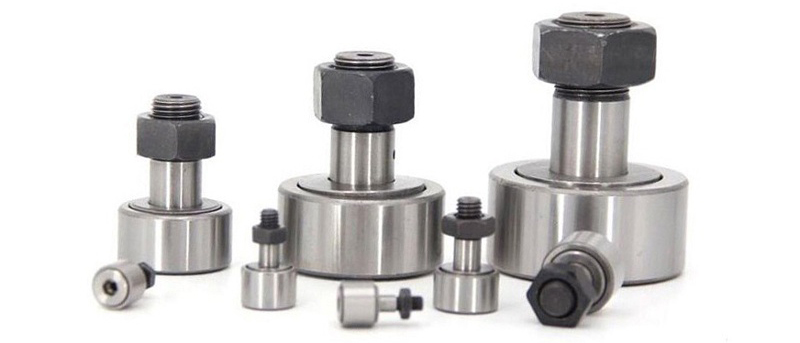
Can you explain the impact of cam rollers on the overall efficiency of tracking systems?
Cam rollers play a crucial role in the overall efficiency of tracking systems. These systems rely on the precise and controlled movement of components or objects along a predetermined path, and cam rollers contribute to achieving accurate tracking, smooth motion, and reliable operation. Here’s a detailed explanation of the impact of cam rollers on the overall efficiency of tracking systems:
- Precision Tracking: Cam rollers are designed to follow a specific cam profile or track, which allows for precise tracking of objects or components. The shape and contour of the cam determine the desired motion, and the cam rollers ensure that the objects or components move along the track with high accuracy and repeatability. This precise tracking capability enhances the overall efficiency of tracking systems by ensuring that the intended path is followed consistently.
- Smooth Motion: Cam rollers are engineered to provide smooth rolling motion along the cam profile or track. The rolling elements of the cam rollers, such as bearings or rollers, minimize friction and enable the objects or components to glide smoothly along the track. This smooth motion reduces energy consumption, minimizes wear and tear, and enhances the overall efficiency of the tracking system by facilitating seamless movement without jerks or disruptions.
- Reduced Wear: By distributing the load evenly and providing a rolling contact, cam rollers help reduce wear on both the rollers themselves and the track they follow. The rolling action minimizes frictional forces and wear compared to sliding or dragging mechanisms. This reduced wear extends the lifespan of the cam rollers and the tracking system components, ensuring long-term efficiency and reliability.
- High-Speed Capability: Cam rollers are designed to operate at high speeds without compromising performance. The choice of materials, lubrication, and design factors such as stability and balance enable cam rollers to handle rapid motion and high-speed tracking requirements. Their ability to maintain accurate tracking and smooth motion even at high speeds enhances the overall efficiency of tracking systems in applications where speed is crucial.
- Load Capacity: Cam rollers are engineered to handle varying load capacities based on their design and construction. They can support significant loads while maintaining precise tracking and smooth motion. This load-carrying capability ensures that tracking systems can accommodate different objects or components of varying weights, contributing to the overall efficiency of the system by enabling versatile and reliable operation.
- Reliability and Durability: Cam rollers are typically designed for robustness and durability. They are built to withstand the demands of continuous operation, heavy loads, and challenging environmental conditions. The use of high-quality materials, proper lubrication, and appropriate maintenance practices ensure the reliability and longevity of cam rollers, minimizing downtime and maximizing the overall efficiency of tracking systems.
In summary, cam rollers have a significant impact on the overall efficiency of tracking systems. Their precision tracking, smooth motion, reduced wear, high-speed capability, load capacity, reliability, and durability contribute to the efficient and reliable operation of tracking systems in various applications. By incorporating well-designed and properly maintained cam rollers, tracking systems can achieve optimal performance, accuracy, and productivity.
Can you explain the primary functions and roles of cam rollers in various applications?
Cam rollers, also known as cam followers or track rollers, serve a variety of functions and play crucial roles in various applications across different industries. These specialized roller bearings are designed to follow the surface profile of a cam or track, enabling them to transmit motion, provide guidance, support, and handle loads. Here’s a detailed explanation of the primary functions and roles of cam rollers in various applications:
- Motion Transmission: One of the primary functions of cam rollers is to transmit motion from a rotating cam to a reciprocating or oscillating component. They are commonly used in applications such as engines, where they transfer the motion of the camshaft to the valves, controlling the opening and closing of the valves at the appropriate timing. Cam rollers ensure precise and reliable motion transmission in these systems.
- Guidance and Support: Cam rollers are frequently utilized to provide guidance and support to moving components in mechanical systems. They help maintain proper alignment and prevent lateral movement or deflection. In conveyor systems, for example, cam rollers guide the movement of belts or chains, ensuring smooth and controlled operation.
- Load Bearing: Cam rollers are designed to bear high loads and provide support in heavy-duty applications. They are commonly found in machinery and equipment where there is a need for reliable load-bearing capabilities. Construction machinery, material handling equipment, and industrial automation systems often rely on cam rollers to handle substantial loads and ensure stable and efficient operation.
- Compensating for Misalignment: In some applications, cam rollers are employed to compensate for misalignment between components. The rolling motion of the cam follower allows it to adjust and accommodate slight deviations in the cam or track profile. This feature ensures smooth operation even when there are minor misalignments, improving the overall performance and reliability of the system.
- Application-Specific Functions: Cam rollers can also serve application-specific functions based on the requirements of a particular system. For example, in printing and packaging machinery, cam rollers may be used to control the tension and guide the movement of printing substrates or packaging materials. In textile machinery, cam rollers may play a role in controlling the feeding and positioning of fabrics. The versatility of cam rollers allows them to be tailored to the specific needs of diverse applications.
The choice of cam roller design, size, and material depends on the specific demands of the application. Factors such as load capacity, speed, operating conditions, precision requirements, and environmental factors are taken into consideration when selecting the appropriate cam roller. Regular maintenance, including lubrication and inspection, is vital to ensure optimal performance and longevity of cam rollers in various applications.
In summary, cam rollers fulfill essential functions and play significant roles in a wide range of applications. They enable motion transmission, provide guidance and support, bear heavy loads, compensate for misalignment, and serve application-specific functions. Cam rollers contribute to the efficiency, reliability, and smooth operation of mechanical systems across diverse industries.


editor by Dream 2024-04-23