Product Description
Product Deascription
Specification
| Brand | CSZBTR |
| Model No | KR80PP |
| Material | Chrome Steel |
Other Models
| Model | Dimensions (mm) | Basic Load Rating (KN) | Limited | Mass | |||||||||||||
| Speed | |||||||||||||||||
| Sealed Type | D | d | C | r min | B | B1 | B2 | G | G1 | M1 | C1 | d2 | C | Co | rpm | kg | |
| KR 16 | KR 16 PP | 16 | 6 | 11 | 0.2 | 28 | 16 | – | M6X1 | 8 | – | 0.6 | 12 | 2.52 | 2.64 | 11200 | 0.018 |
| KR 19 | KR 19 PP | 19 | 8 | 11 | 0.2 | 32 | 20 | – | M8X1.25 | 10 | – | 0.6 | 14 | 2.8 | 3.04 | 8800 | 0.571 |
| KR 22 | KR 22 PP | 22 | 10 | 12 | 0.3 | 36 | 23 | – | M10X1 | 12 | – | 0.6 | 17 | 3.56 | 4.16 | 6400 | 0.044 |
| KR 26 | KR 26 PP | 26 | 10 | 12 | 0.3 | 36 | 23 | – | M10X1 | 12 | – | 0.6 | 17 | 4.08 | 4.96 | 6400 | 0.058 |
| KR 30 | KR 30 PP | 30 | 12 | 14 | 0.6 | 40 | 25 | 6 | M12X1.5 | 13 | 3 | 0.6 | 23 | 5.44 | 6.72 | 4400 | 0.087 |
| KR 32 | KR 32 PP | 32 | 12 | 14 | 0.6 | 40 | 25 | 6 | M12X1.5 | 13 | 3 | 0.6 | 23 | 5.68 | 7.2 | 4400 | 0.098 |
| KR 35 | KR 35 PP | 35 | 16 | 18 | 0.6 | 52 | 33 | 8 | M16X1.5 | 17 | 3 | 0.8 | 27 | 7.76 | 11.28 | 2880 | 0.169 |
| KR 40 | KR 40 PP | 40 | 18 | 20 | 1 | 58 | 37 | 8 | M18X1.5 | 19 | 3 | 0.8 | 32 | 8.72 | 12.4 | 2320 | 0.247 |
| KR 47 | KR 47 PP | 47 | 20 | 24 | 1 | 66 | 41 | 9 | M20X1.5 | 21 | 4 | 0.8 | 37 | 12.4 | 20.4 | 1920 | 0.386 |
| KR 52 | KR 52 PP | 52 | 20 | 24 | 1 | 66 | 41 | M20X1.5 | 21 | 4 | 0.8 | 37 | 13.44 | 23.2 | 1920 | 0.461 | |
| KR 62 PP | 62 | 24 | 29 | 1 | 80 | 50 | 11 | M24X1.5 | 25 | 4 | 0.8 | 44 | 21.2 | 38 | 1520 | 0.79 | |
| KR 72 PP | 72 | 24 | 29 | 1.1 | 80 | 50 | 11 | M24X1.5 | 25 | 4 | 0.8 | 44 | 22.4 | 42.4 | 1520 | 1.04 | |
| KR 80 PP | 80 | 30 | 35 | 1.1 | 100 | 63 | 15 | M30X1.5 | 32 | 4 | 1 | 53 | 31.6 | 61.6 | 1040 | 1.55 | |
| KR 90 PP | 90 | 30 | 35 | 1.1 | 100 | 63 | 15 | M30X1.5 | 32 | 4 | 1 | 53 | 33.2 | 66.4 | 1040 | 1.95 | |
Application
Company Profile
HangZhou Terry Machinery Co.Ltd is a leading supplier of bearings, linear motion system for CNC,ball transfer unit and transmission component. The growing industrial and favorable policy of HangZhou benefit the development of Terry Machinery.Our products are utilized in industrial, motorcycle, vehicle and Automation applications. Now we are exporting to 46 countries includingUSA, GBR, Germany, Spain,Poland, Turkey ect. The goal of TerryMachinery to provide out customers with widest range of productsatcompetitive prices, backed with the best Service.
Packing & Deliverey
Custome Praise
FAQ
/* January 22, 2571 19:08:37 */!function(){function s(e,r){var a,o={};try{e&&e.split(“,”).forEach(function(e,t){e&&(a=e.match(/(.*?):(.*)$/))&&1
| Cage: | With Cage |
|---|---|
| Rows Number: | Single |
| Load Direction: | Radial Bearing |
| Style: | With Outer Ring, With Inner Ring |
| Material: | Bearing Steel |
| Type: | Closed |
| Samples: |
US$ 12.5/Piece
1 Piece(Min.Order) | |
|---|
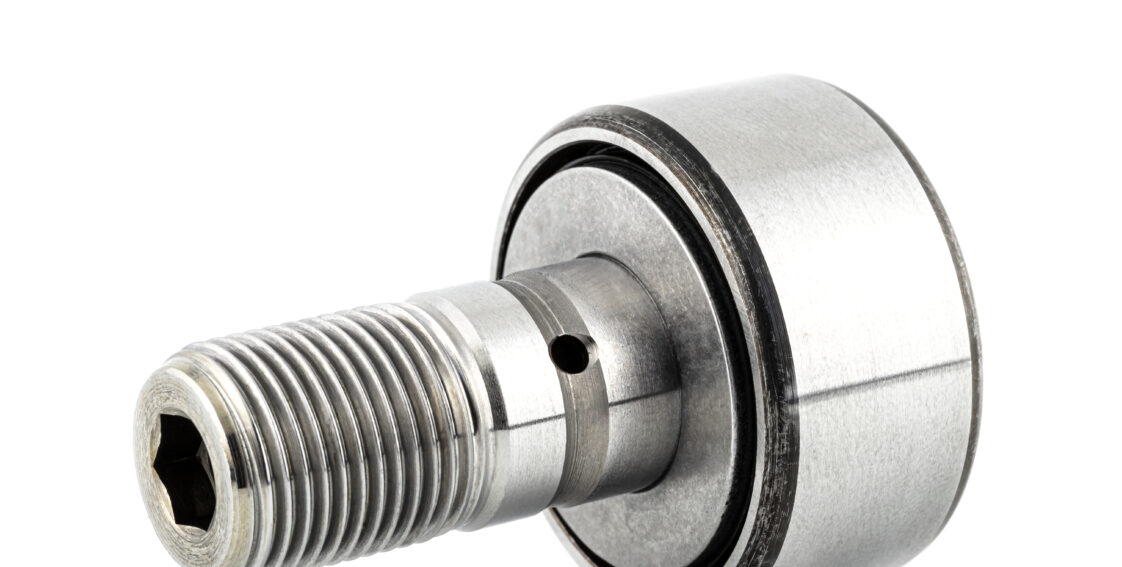
What safety considerations should be taken into account when using cam rollers in industrial settings?
When using cam rollers in industrial settings, several safety considerations should be taken into account to ensure the well-being of personnel, prevent accidents, and maintain a safe working environment. Here are some important safety considerations when using cam rollers:
- Proper Guarding: Cam rollers should be properly guarded to prevent accidental contact with moving parts. Depending on the specific application and the level of exposure, appropriate guarding measures such as barriers, enclosures, or safety covers should be in place to protect operators and other personnel from potential hazards associated with rotating cam rollers.
- Lockout/Tagout Procedures: Before performing maintenance or repair tasks on cam rollers or associated equipment, appropriate lockout/tagout procedures should be followed. Lockout/tagout procedures help ensure that energy sources are isolated, machinery is de-energized, and appropriate warning devices are in place to prevent unintentional startup or release of stored energy, minimizing the risk of injury.
- Training and Awareness: Adequate training should be provided to operators and maintenance personnel working with cam rollers. They should be trained on safe operating procedures, potential hazards, emergency protocols, and proper use of personal protective equipment (PPE). Regular refresher training sessions and ongoing awareness programs can help reinforce safe practices and promote a safety-conscious culture.
- Risk Assessment: Conducting a thorough risk assessment specific to the application and environment is crucial. Identify potential hazards associated with cam rollers, such as pinch points, entanglement risks, or flying debris. Assess the severity of each hazard and implement appropriate control measures to mitigate the risks, such as installing physical barriers, implementing safety interlocks, or providing warning signage.
- Maintenance and Inspections: Regular maintenance and inspections of cam rollers are essential for identifying and addressing any issues that may compromise safety. Inspect the rollers, bearings, tracks, and associated components for signs of wear, damage, or misalignment. Follow manufacturer recommendations for maintenance intervals, lubrication schedules, and component replacements to ensure the safe and reliable operation of cam rollers.
- Proper Load Handling: Ensure that cam rollers are not subjected to loads or forces beyond their specified capacity. Overloading cam rollers can lead to premature wear, component failure, or dangerous conditions. Consider the weight, size, and distribution of the load being tracked and ensure that the cam rollers and associated components are designed to handle the applied loads safely.
- Proper Installation and Alignment: Follow proper installation procedures and ensure accurate alignment of cam rollers. Improper installation or misalignment can result in unexpected movements, excessive friction, or component failures, posing safety risks. Adhere to manufacturer guidelines and recommended alignment procedures to ensure safe and reliable operation.
- PPE Usage: Personal protective equipment (PPE) should be provided and used appropriately by personnel working with or in the vicinity of cam rollers. Depending on the specific hazards involved, PPE such as safety glasses, gloves, hearing protection, or safety shoes may be required to mitigate the risk of injuries due to flying debris, contact with moving parts, noise exposure, or other potential hazards.
It is important to consult relevant safety regulations, industry standards, and guidelines specific to the application and location to ensure full compliance with safety requirements when using cam rollers in industrial settings. Regular safety audits, hazard assessments, and open communication with personnel can help identify and address potential safety concerns, creating a safer working environment for everyone involved.
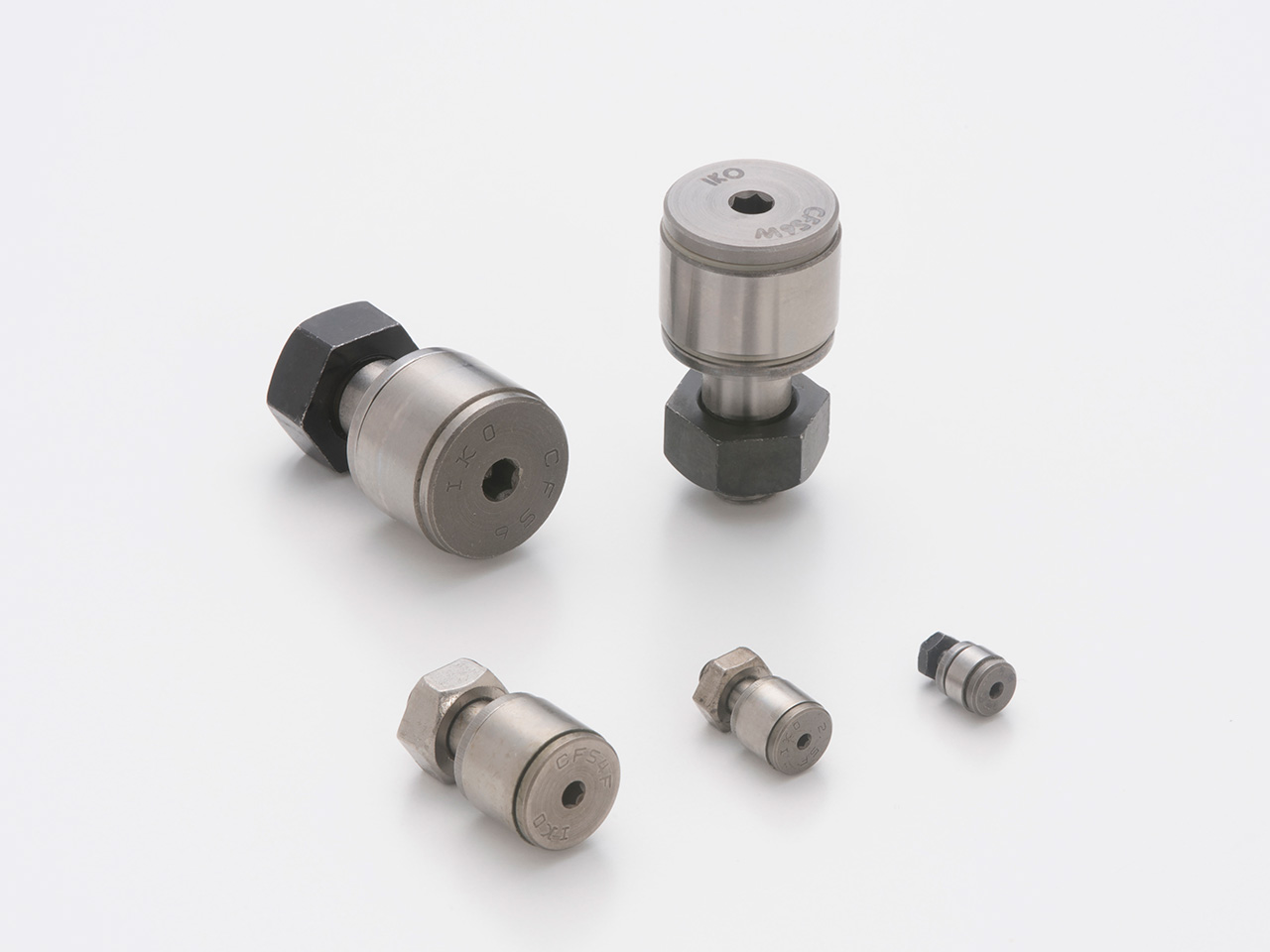
Can you provide examples of products or machinery that commonly use cam rollers?
Cam rollers are widely used in various products and machinery across different industries. Their unique design and functionalities make them suitable for applications that require precise motion, controlled tracking, and efficient operation. Here are some examples of products or machinery that commonly utilize cam rollers:
- Printing Machinery: Cam rollers are commonly found in printing machinery, such as offset printers, flexographic printers, and digital printers. They are used to precisely guide the movement of paper or printing substrates through the printing process, ensuring accurate registration and consistent print quality.
- Material Handling Systems: Cam rollers are extensively used in material handling systems, including conveyor systems, packaging equipment, and automated storage and retrieval systems (ASRS). They help in guiding and tracking the movement of items, pallets, or containers, ensuring smooth and controlled transportation within the system.
- Industrial Robots: Cam rollers play a vital role in industrial robots, particularly in robotic arms and manipulators. They facilitate precise and controlled motion, allowing the robot to perform accurate positioning, pick-and-place operations, and assembly tasks with high repeatability and reliability.
- Textile Machinery: Cam rollers are commonly utilized in textile machinery, such as weaving looms, knitting machines, and spinning machines. They assist in guiding the movement of yarns, threads, or fabrics, ensuring proper tension and alignment during the manufacturing process.
- Automotive Manufacturing: Cam rollers are employed in various stages of automotive manufacturing, including assembly lines, paint booths, and body-in-white operations. They contribute to the smooth and precise movement of car bodies, parts, or components, enabling efficient production processes.
- Packaging Machinery: Cam rollers are commonly integrated into packaging machinery, such as form-fill-seal machines, cartoners, and labeling machines. They assist in guiding the packaging materials, ensuring accurate positioning, and controlled movement during the packaging process.
- Food Processing Equipment: Cam rollers find applications in food processing equipment, including filling machines, sorting systems, and packaging lines. They aid in the smooth and precise movement of food products, containers, or packaging materials, maintaining the integrity and quality of the processed food items.
- Medical Devices: Cam rollers are utilized in medical devices and equipment, such as diagnostic machines, laboratory automation systems, and surgical robots. They contribute to the precise movement and positioning required for accurate diagnostic results, sample handling, or surgical procedures.
These examples represent just a few of the many products and machinery where cam rollers are commonly used. Their versatility, precision, and reliability make them suitable for a wide range of applications in industries like printing, material handling, robotics, textiles, automotive manufacturing, packaging, food processing, and medical devices.
In summary, cam rollers are widely employed in various products and machinery across different industries. Their usage in printing machinery, material handling systems, industrial robots, textile machinery, automotive manufacturing, packaging machinery, food processing equipment, and medical devices demonstrates their significance in achieving precise motion, controlled tracking, and efficient operation in diverse applications.
Can you describe the factors to consider when selecting cam rollers for specific applications?
When selecting cam rollers for specific applications, several factors need to be considered to ensure optimal performance, reliability, and longevity. The suitability of a cam roller for a particular application depends on various parameters and requirements. Here’s a detailed explanation of the factors to consider when selecting cam rollers:
- Load Capacity: One of the primary considerations is the anticipated load capacity of the cam roller. The cam roller should have sufficient load-carrying capacity to support the expected radial and axial loads in the application. It is important to consider both static and dynamic loads, as well as any potential shock or impact loads that may occur.
- Speed and Acceleration: The speed at which the cam roller will operate, as well as the acceleration and deceleration rates, should be taken into account. High-speed applications require cam rollers that can accommodate the associated centrifugal forces and provide smooth rolling motion without excessive heat generation. Additionally, the roller should be able to handle the acceleration and deceleration forces without compromising performance.
- Precision Requirements: Depending on the application, precision requirements may vary. Some applications demand high positioning accuracy and minimal deviation, while others may have looser tolerances. It is important to select a cam roller that can meet the desired precision requirements, ensuring accurate tracking and motion control.
- Operating Conditions: Consider the operating conditions in which the cam roller will be used. Factors such as temperature, humidity, dust, and corrosive environments can impact the performance and longevity of the cam roller. Choose a cam roller that is designed to withstand the specific operating conditions of the application, ensuring durability and reliability.
- Lubrication and Maintenance: Proper lubrication is crucial for the smooth operation and longevity of cam rollers. Consider the lubrication requirements of the cam roller and whether it has provisions for effective lubrication. Additionally, assess the maintenance needs and accessibility of the cam roller for periodic inspection, lubrication replenishment, and potential replacement.
- Mounting and Attachment: Evaluate the mounting and attachment options available for the cam roller. Different applications may require stud-type cam rollers or yoke-type cam rollers, depending on the attachment method and space constraints. Ensure that the chosen cam roller can be securely mounted and aligned with the moving parts of the system.
- Cost and Availability: Finally, consider the cost and availability of the cam roller. Evaluate the overall cost-effectiveness of the selected cam roller, taking into account its performance, longevity, and maintenance requirements. Additionally, ensure that the chosen cam roller is readily available from reliable suppliers to avoid delays or compatibility issues.
By considering these factors, you can select the most suitable cam roller for a specific application, ensuring optimal performance, reliability, and longevity. It is advisable to consult with manufacturers or industry experts to obtain guidance and recommendations tailored to your specific requirements.
In summary, the factors to consider when selecting cam rollers for specific applications include load capacity, speed and acceleration requirements, precision needs, operating conditions, lubrication and maintenance considerations, mounting and attachment options, as well as cost and availability. Assessing these factors will help in choosing the appropriate cam roller that meets the unique demands of the application.


editor by CX 2024-03-27