Product Description
Introduction:
Mould processing special processing center series product has high rigidity, high precision, high reliability, large torque characteristics Suitable for automobiles, motorcycles, aerospace, mechanical, electrical, instrumentation and other industries of valve, CAM, complex shape of the surface of the model and the complex cavity and parts, such as processing and metal mold, plastic mold processing.
Product Characteristics:
1. X, Y, Z three-way guide rail quenching – plastic coated sliding guide rail pair. According to the rigidity requirements of different models, the y-axis has 2 rail and 4 rail designs.
2. The high rigid body structure ensures the strong cutting requirements of the machine tool.
3. Key components such as couplings, bearings, spindles, ball screws, tool magazine, and tool cylinder are precision grade high- quality accessories of German, Japanese, or ZheJiang brands to ensure high precision and high quality stability of the machine.
4. Various configurations are modular, which can provide customers with personalized choices to meet different processing needs: cooling through spindle, 10000~ 15000 RPM direct connected spindle.
5. This machining center is specially designed for the requirements of mold processing, and can also be used for the processing of various mechanical parts.
6. This series of products is aimed at 1270 and above models, and adopts temperature rise control technology (our invention patent), which effectively ensures the accuracy and stability of long-time mold processing in large- scale machining centers.
Specification:
| Model | VMC-V116D | |||
| Travel | X axis travel | mm | 1100 | |
| Y axis travel | mm | 650 | ||
| Z axis travel | mm | 650 | ||
| Distance between spindle nose to table | mm | 120-770 | ||
| Distance between spindle and column | mm | 702 | ||
| Table | Size | mm | 1200*600 | |
| Load | kg | 800 | ||
| T slot size | mm | 5-18*125 | ||
| Spindle | Taper | BT40-150 long nose spindle | ||
| Rotation speed | r/min | 10000/12000 | ||
| Three axis | X axis rapid feed | m/min | 36 | |
| Y axis rapid feed | m/min | 36 | ||
| Z axis rapid feed | m/min | 36 | ||
| Positioning accuracy | mm/m | 0.008 | ||
| Cutting feed | m/min | 15 | ||
| Min setting moving unit | mm | 0.001 | ||
| Other | Dimension | mm | 3160*2650*2800 | |
| Weight | kg | 6000 | ||
Applicant Industry:
| Standard accessories: 1. Mitsubishi/ Fanuc controller system with AICC2 Function V85C direction connectin with 12000rpm SPEEDCN spindle 2. Fully enclosed cover 3. Pneumatic system 4. Anto lubrication system 5. Work piece coolant system 6. Heat exchange 7. Air gun 8. Water gun 9. Spindle oil coolant 10. 24T Arm type tool magazine 11. Rear flishing 12. Hand wheel 13. RS232 Interface 14. Alarming light 15. Working light 16. Xihu (West Lake) Dis. way cover 17. Technical documents 18. Operation manual |
Optional accessories: 1. Screw type conveyor 2. Chain type conveyor 3. 4 axis Rotary table 4. Coolant through spindle (CTS) 5. Spindle rotation speed can be direct connection with 12000rpm. |
Package:
Company Information:
HangZhou Joint Technology CO.,LTD., was established in 1995 . One of our headquarters is located in PingHu town, HangZhou City ,ZheJiang province ,China, we are dedicating to research and development, production, sale, and service of mold processing machine tools and specialized machine tool equipments for machine work of excellent quality for more than two decades.
There are 8 series of products-high speed turret milling machine, precision surface grinding machine, EDM machine tool, CNC milling machine, NC milling machine, Gantry type machine center, CNC engraving machine, and CNC lathe machine
Our own brand “JOINT ” Has been the top quality machine’s signal in domestic sales, JOINT also has been recognized as ” ZheJiang Famous Brand “, and milling machine was recognized as ” TOP 10 Famous Brand of Milling machine ” in China. Our product had been exporting to Europe, South America, Southeast Asia, the middle east etc, and enjoyed a good reputation there, Welcome your visit !
/* March 10, 2571 17:59:20 */!function(){function s(e,r){var a,o={};try{e&&e.split(“,”).forEach(function(e,t){e&&(a=e.match(/(.*?):(.*)$/))&&1
| After-sales Service: | Online After-Sale Service |
|---|---|
| Warranty: | 1 Year |
| Application: | Metal |
| Process Usage: | Metal-Cutting CNC Machine Tools, Metal-Forming CNC Machine Tools |
| Movement Method: | Linear Control |
| Control Method: | Semi-Closed Loop Control |
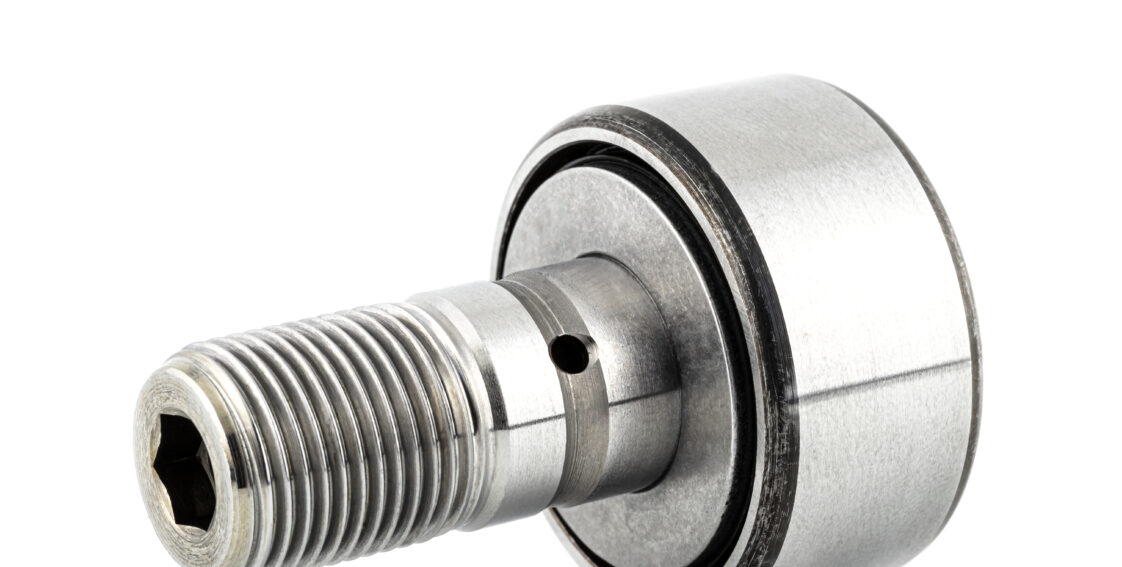
What safety considerations should be taken into account when using cam rollers in industrial settings?
When using cam rollers in industrial settings, several safety considerations should be taken into account to ensure the well-being of personnel, prevent accidents, and maintain a safe working environment. Here are some important safety considerations when using cam rollers:
- Proper Guarding: Cam rollers should be properly guarded to prevent accidental contact with moving parts. Depending on the specific application and the level of exposure, appropriate guarding measures such as barriers, enclosures, or safety covers should be in place to protect operators and other personnel from potential hazards associated with rotating cam rollers.
- Lockout/Tagout Procedures: Before performing maintenance or repair tasks on cam rollers or associated equipment, appropriate lockout/tagout procedures should be followed. Lockout/tagout procedures help ensure that energy sources are isolated, machinery is de-energized, and appropriate warning devices are in place to prevent unintentional startup or release of stored energy, minimizing the risk of injury.
- Training and Awareness: Adequate training should be provided to operators and maintenance personnel working with cam rollers. They should be trained on safe operating procedures, potential hazards, emergency protocols, and proper use of personal protective equipment (PPE). Regular refresher training sessions and ongoing awareness programs can help reinforce safe practices and promote a safety-conscious culture.
- Risk Assessment: Conducting a thorough risk assessment specific to the application and environment is crucial. Identify potential hazards associated with cam rollers, such as pinch points, entanglement risks, or flying debris. Assess the severity of each hazard and implement appropriate control measures to mitigate the risks, such as installing physical barriers, implementing safety interlocks, or providing warning signage.
- Maintenance and Inspections: Regular maintenance and inspections of cam rollers are essential for identifying and addressing any issues that may compromise safety. Inspect the rollers, bearings, tracks, and associated components for signs of wear, damage, or misalignment. Follow manufacturer recommendations for maintenance intervals, lubrication schedules, and component replacements to ensure the safe and reliable operation of cam rollers.
- Proper Load Handling: Ensure that cam rollers are not subjected to loads or forces beyond their specified capacity. Overloading cam rollers can lead to premature wear, component failure, or dangerous conditions. Consider the weight, size, and distribution of the load being tracked and ensure that the cam rollers and associated components are designed to handle the applied loads safely.
- Proper Installation and Alignment: Follow proper installation procedures and ensure accurate alignment of cam rollers. Improper installation or misalignment can result in unexpected movements, excessive friction, or component failures, posing safety risks. Adhere to manufacturer guidelines and recommended alignment procedures to ensure safe and reliable operation.
- PPE Usage: Personal protective equipment (PPE) should be provided and used appropriately by personnel working with or in the vicinity of cam rollers. Depending on the specific hazards involved, PPE such as safety glasses, gloves, hearing protection, or safety shoes may be required to mitigate the risk of injuries due to flying debris, contact with moving parts, noise exposure, or other potential hazards.
It is important to consult relevant safety regulations, industry standards, and guidelines specific to the application and location to ensure full compliance with safety requirements when using cam rollers in industrial settings. Regular safety audits, hazard assessments, and open communication with personnel can help identify and address potential safety concerns, creating a safer working environment for everyone involved.
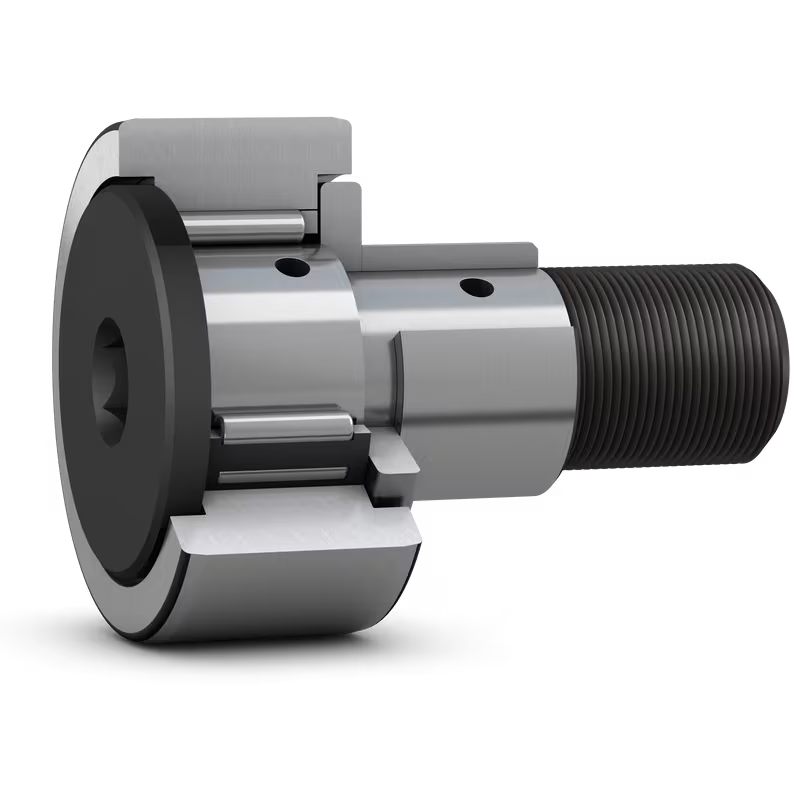
What maintenance practices are recommended for cam rollers to ensure optimal functionality?
Proper maintenance is essential for ensuring the optimal functionality and longevity of cam rollers. Regular maintenance practices help prevent premature wear, minimize downtime, and maintain the performance of cam rollers in various applications. Here are some recommended maintenance practices for cam rollers:
- Cleaning: Regularly clean the cam rollers to remove dust, dirt, and debris that can accumulate on the rolling surfaces. Use a soft brush or compressed air to clean the cam rollers, ensuring that no contaminants hinder their smooth operation.
- Lubrication: Apply appropriate lubrication to the cam rollers to reduce friction and wear. Use lubricants recommended by the manufacturer, ensuring they are compatible with the materials and operating conditions of the cam rollers. Regularly check the lubrication levels and replenish as needed.
- Inspection: Perform routine visual inspections of the cam rollers to check for any signs of wear, damage, or misalignment. Look for excessive play, deformation, or any irregularities that may affect their performance. If any issues are identified, take appropriate measures such as adjustments, repairs, or replacements.
- Tightening: Check the fasteners, such as bolts or screws, that secure the cam rollers to the equipment or mounting surfaces. Ensure that they are properly tightened to prevent loosening during operation, which could lead to misalignment or reduced performance.
- Alignment: Check the alignment of the cam rollers periodically to ensure they are properly aligned with the cam or track they are following. Misalignment can lead to increased wear, reduced accuracy, and decreased lifespan of the cam rollers. Adjust the alignment as necessary to maintain optimal functionality.
- Load Distribution: Monitor the load distribution among the rolling elements of the cam rollers. Ensure that the load is evenly distributed to prevent overloading or excessive stress on individual rolling elements. Uneven load distribution can lead to premature wear or failure of the cam rollers.
- Environmental Considerations: Consider the specific environmental conditions in which the cam rollers operate. Take appropriate measures to protect the cam rollers from corrosive substances, extreme temperatures, excessive moisture, or other environmental factors that may affect their performance. Use protective coatings, seals, or covers as needed.
- Replacement: Cam rollers have a finite lifespan, and eventually, they will need to be replaced. Monitor the wear and performance of the cam rollers over time. When signs of significant wear, damage, or reduced functionality are observed, plan for timely replacement to avoid unexpected failures or disruptions in the operation.
It is important to note that maintenance practices may vary depending on the specific design, materials, and operating conditions of the cam rollers. Therefore, it is recommended to refer to the manufacturer’s guidelines and recommendations for maintenance specific to the cam rollers being used.
By following these maintenance practices and adopting a preventive maintenance approach, operators can ensure the optimal functionality, reliability, and longevity of cam rollers in various applications.
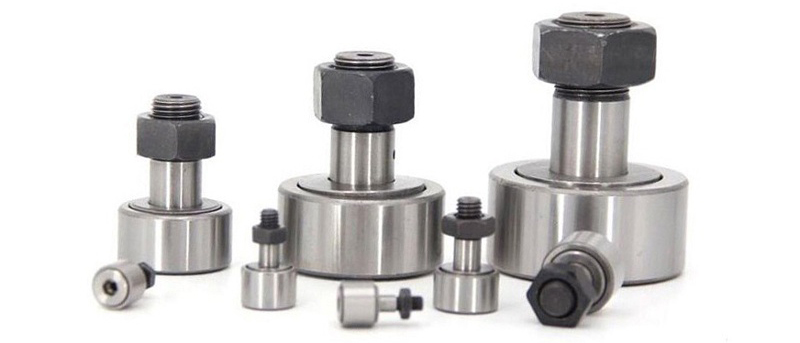
Can you explain the primary functions and roles of cam rollers in various applications?
Cam rollers, also known as cam followers or track rollers, serve a variety of functions and play crucial roles in various applications across different industries. These specialized roller bearings are designed to follow the surface profile of a cam or track, enabling them to transmit motion, provide guidance, support, and handle loads. Here’s a detailed explanation of the primary functions and roles of cam rollers in various applications:
- Motion Transmission: One of the primary functions of cam rollers is to transmit motion from a rotating cam to a reciprocating or oscillating component. They are commonly used in applications such as engines, where they transfer the motion of the camshaft to the valves, controlling the opening and closing of the valves at the appropriate timing. Cam rollers ensure precise and reliable motion transmission in these systems.
- Guidance and Support: Cam rollers are frequently utilized to provide guidance and support to moving components in mechanical systems. They help maintain proper alignment and prevent lateral movement or deflection. In conveyor systems, for example, cam rollers guide the movement of belts or chains, ensuring smooth and controlled operation.
- Load Bearing: Cam rollers are designed to bear high loads and provide support in heavy-duty applications. They are commonly found in machinery and equipment where there is a need for reliable load-bearing capabilities. Construction machinery, material handling equipment, and industrial automation systems often rely on cam rollers to handle substantial loads and ensure stable and efficient operation.
- Compensating for Misalignment: In some applications, cam rollers are employed to compensate for misalignment between components. The rolling motion of the cam follower allows it to adjust and accommodate slight deviations in the cam or track profile. This feature ensures smooth operation even when there are minor misalignments, improving the overall performance and reliability of the system.
- Application-Specific Functions: Cam rollers can also serve application-specific functions based on the requirements of a particular system. For example, in printing and packaging machinery, cam rollers may be used to control the tension and guide the movement of printing substrates or packaging materials. In textile machinery, cam rollers may play a role in controlling the feeding and positioning of fabrics. The versatility of cam rollers allows them to be tailored to the specific needs of diverse applications.
The choice of cam roller design, size, and material depends on the specific demands of the application. Factors such as load capacity, speed, operating conditions, precision requirements, and environmental factors are taken into consideration when selecting the appropriate cam roller. Regular maintenance, including lubrication and inspection, is vital to ensure optimal performance and longevity of cam rollers in various applications.
In summary, cam rollers fulfill essential functions and play significant roles in a wide range of applications. They enable motion transmission, provide guidance and support, bear heavy loads, compensate for misalignment, and serve application-specific functions. Cam rollers contribute to the efficiency, reliability, and smooth operation of mechanical systems across diverse industries.


editor by CX 2024-02-26