Product Description
Product Description
| Product Name | Tracker roller bearing, Cam follower bearing |
| Precision Rating | P6, P0, P5, P4, P2 |
| Material | Bearing Steel (GCr15) |
| Clearance | C1 C2 C3 |
| Vibration & Noisy | Z1, Z2, Z3 V1, V2, V3 |
| Features | Inch Size, with Eccentric Collar, with Hexagon Hole |
| Application | Machine Tools, Auto Parts, Power Generators,and other Industrial Applications |
| Certification | ISO 9001: 2008 |
| Packing | 1. Neutral Packing Bearing 2. Industrial Packing 3. Commercial Packing Bearing 4. Customize |
Product Parameters
| IKO | IKO | Mcgill | D | d | C | B1 | B2 | G | G1 | ||||||||
| CF04B | KR12 | CF4BUU | KR12PP | MCFR12SBX | 12 | 4 | 8 | 20 | 11 | — | M4X0.7 | 6 | — | — | 0.08 | 210 | 220 |
| CF05B | KR13 | CF5BUU | KR13PP | MCFR13SBX | 13 | 5 | 9 | 23 | 13 | — | M5X0.8 | 7.5 | — | — | 0.23 | 260 | 280 |
| CF06B | KR16 | CF6BUU | KR16PP | MCFR16SBX | 16 | 6 | 11 | 28 | 16 | — | M6X1 | 8 | — | — | 0.3 | 370 | 400 |
| CF08B | KR19 | CF8BUU | KR19PP | MCFR19SBX | 19 | 8 | 11 | 32 | 20 | — | M8X1.25 | 10 | — | — | 0.8 | 430 | 630 |
| CF10B | KR22 | CF10BUU | KR22PP | MCFR22SBX | 22 | 10 | 12 | 36 | 23 | — | M10X1.25 | 12 | — | — | 1.2 | 550 | 670 |
| CF10-1B | KR26 | CF10-1BUU | KR26PP | MCFR26SBX | 26 | 10 | 12 | 36 | 23 | — | M10X1.25 | 12 | — | — | 1.2 | 550 | 670 |
| CF12B | KR30 | CF12BUU | KR30PP | MCFR30SBX | 30 | 12 | 14 | 40 | 25 | 6 | M12X1.5 | 13 | 6 | 3 | 2.2 | 810 | 900 |
| CF12-1B | KR32 | CF12-1BUU | KR32PP | MCFR32SBX | 32 | 12 | 14 | 40 | 25 | 6 | M12X1.5 | 13 | 6 | 3 | 2.2 | 810 | 900 |
| CF16B | KR35 | CF16BUU | KR35PP | MCFR35SBX | 35 | 16 | 18 | 52 | 32.5 | 8 | M16X1.5 | 17 | 6 | 3 | 5.8 | 1230 | 1560 |
| CF18B | KR40 | CF18BUU | KR40PP | MCFR40SBX | 40 | 18 | 20 | 58 | 36.5 | 8 | M18X1.5 | 19 | 6 | 3 | 8.5 | 1500 | 2500 |
| CF20-1B | KR47 | CF20-1BUU | KR47PP | MCFR47SBX | 47 | 20 | 24 | 66 | 40.5 | 9 | M20X1.5 | 21 | 8 | 4 | 12 | 2110 | 3140 |
| CF20B | KR52 | CF20BUU | KR52PP | MCFR52SBX | 52 | 20 | 29 | 66 | 40.5 | 9 | M20X1.5 | 21 | 8 | 4 | 12 | 2110 | 3140 |
| CF24B | KR62 | CF24BUU | KR62PP | MCFR62SBX | 62 | 24 | 29 | 80 | 49.5 | 11 | M24X1.5 | 25 | 8 | 4 | 22 | 3110 | 3840 |
| CF24-1B | KR72 | CF24-1BUU | KR72PP | MCFR72SBX | 72 | 24 | 29 | 80 | 49.5 | 11 | M24X1.5 | 25 | 8 | 4 | 22 | 3110 | 3840 |
| CF30B | KR80 | CF30BUU | KR80PP | MCFR80SBX | 80 | 30 | 35 | 100 | 63 | 15 | M30X1.5 | 32 | 8 | 4 | 46 | 4630 | 6300 |
| CF30-1B | KR85 | CF30-1BUU | KR85PP | MCFR85SBX | 85 | 30 | 35 | 100 | 63 | 15 | M30X1.5 | 32 | 8 | 4 | 46 | 4630 | 6300 |
| CF30-2B | KR90 | CF30-2BUU | KR90PP | MCFR90SBX | 90 | 30 | 35 | 100 | 63 | 15 | M30X1.5 | 32 | 8 | 4 | 46 | 4630 | 6300 |
Workshop
Packaging & Shipping
Bearings Package:
1):Inner Plastic Bag+ Paper Box + Carton(+Pallet)
2):Small sizes:Plastic Tube + Carton
3):Big sizes:Wooden Case
Bearings Lead time:
We will prepare your order as soon as possible
1)2-3 days for ex-stock
2)7-20 days for others
Shipping & Delivery time:
1) Less than 45 Kg:DHL TNT Fedex UPS express will be better,( 4-7 days delivered to your address)
2) Between 45 to 200 Kg:Air transiportation will be better,( 5-14 days delivered to your airport)
3) Over 200 Kg:Sea transportation will be better.( Cheapest,18-45 days to your port ).
/* January 22, 2571 19:08:37 */!function(){function s(e,r){var a,o={};try{e&&e.split(“,”).forEach(function(e,t){e&&(a=e.match(/(.*?):(.*)$/))&&1
| Rows Number: | Single |
|---|---|
| Material: | Gcr15 |
| Precision: | P0 P6 P5 P4 P2 |
| Clearance: | C0 C2 C3 C4 C5 |
| Vibration: | Z1V1 Z2V2 Z3V3 |
| Lubricated: | Oil or Grease |
| Customization: |
Available
|
|
|---|
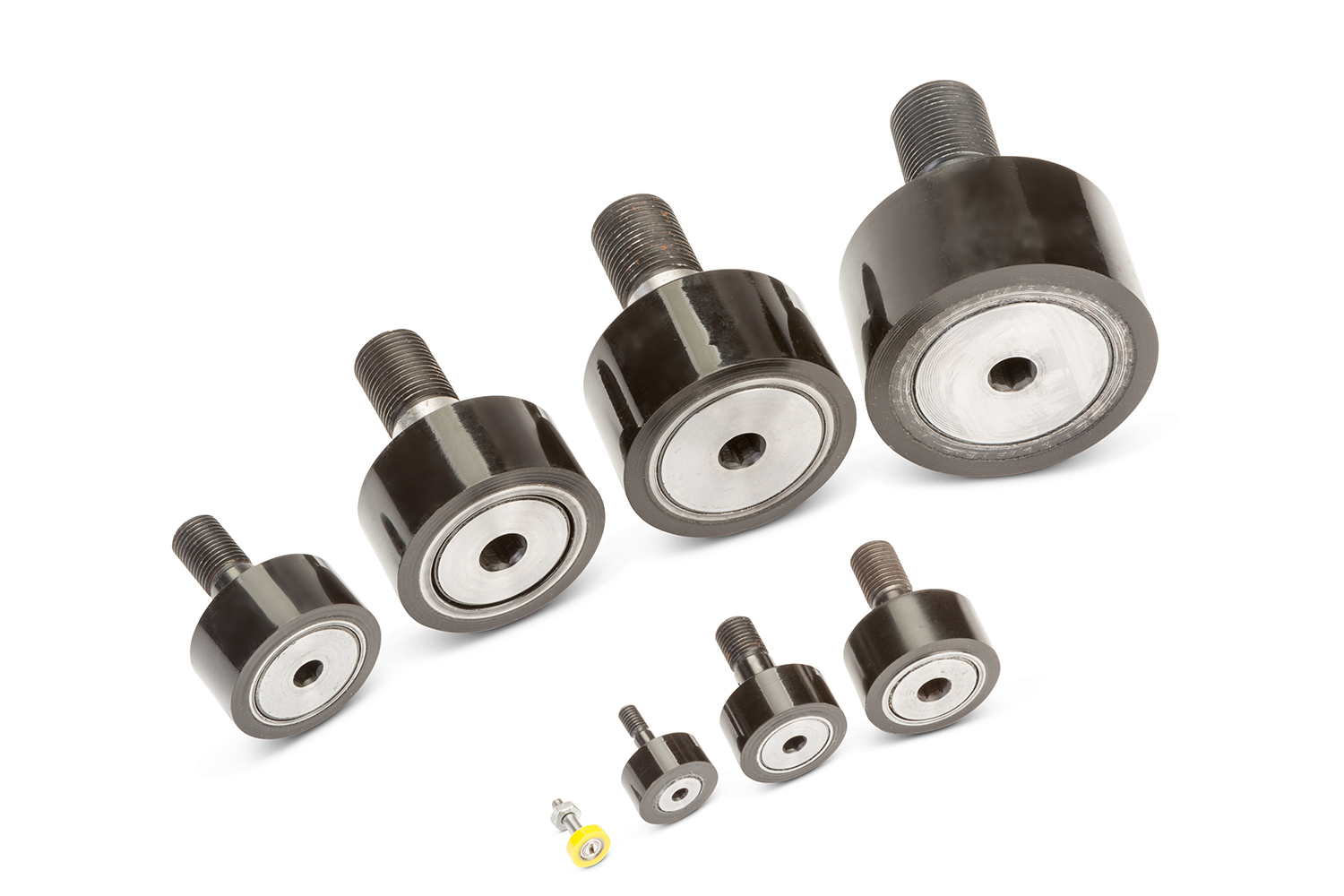
What are the signs that indicate a need for cam roller replacement or maintenance, and how can they be diagnosed?
Proper maintenance and timely replacement of cam rollers are essential for ensuring their optimal performance and longevity. Several signs indicate the need for cam roller replacement or maintenance, and diagnosing these signs can help identify potential issues. Here are some common signs and diagnostic methods:
- Abnormal Noise: Unusual or excessive noise during the operation of cam rollers can indicate problems. Grinding, squeaking, or rattling sounds may suggest issues such as worn bearings, misalignment, or insufficient lubrication. Conduct a thorough inspection and listen for any abnormal noise while the cam rollers are in motion.
- Irregular Motion: If the cam rollers exhibit irregular or jerky motion instead of smooth and consistent rolling, it may indicate problems. This can be caused by misalignment, damaged cam profiles, worn bearings, or debris accumulation. Observe the motion of the cam rollers carefully to detect any irregularities or inconsistencies.
- Inconsistent Tracking: Cam rollers should provide accurate and consistent tracking of objects or components along the designated path. If there are deviations or errors in the tracking, it may indicate misalignment, worn cam profiles, damaged rollers, or track irregularities. Monitor the tracking performance of the cam rollers and check for any inconsistencies or deviations from the desired path.
- Excessive Wear: Visual inspection of the cam rollers can reveal signs of excessive wear. Check for signs such as worn or flattened surfaces, pitting, cracks, or deformation. Excessive wear can occur due to high loads, misalignment, inadequate lubrication, or prolonged usage. Regularly inspect the cam rollers for any visible signs of wear or damage.
- Uneven Load Distribution: Improper load distribution across the cam rollers can lead to premature wear or failure. Inspect the cam rollers and associated components for any signs of uneven loading, such as uneven wear patterns, excessive wear on specific rollers, or track distortions. Uneven load distribution may result from misalignment, damaged components, or improper installation.
- Increased Friction: Excessive friction during the rolling motion of cam rollers can impair their performance and lead to accelerated wear. Monitor the rolling motion and check for signs of increased friction, such as resistance, overheating, or uneven movement. Excessive friction can be caused by misalignment, inadequate lubrication, debris accumulation, or worn components.
- Loss of Efficiency: A decrease in the efficiency of the cam roller system can indicate underlying issues. If the system requires more power, shows reduced speed, or exhibits decreased accuracy compared to its normal operation, it may indicate problems with the cam rollers. Monitor the system’s performance and compare it with the expected efficiency to identify any loss in performance.
When diagnosing these signs, it is important to follow manufacturer guidelines and recommended maintenance procedures. Diagnostic methods may include visual inspection, listening for abnormal sounds, measuring performance parameters, checking alignment, conducting lubrication analysis, or consulting with qualified technicians or maintenance professionals.
Regular maintenance and inspection schedules should be established to monitor the condition of cam rollers. By identifying signs of wear, misalignment, or other issues early on, timely maintenance or replacement can be performed to prevent further damage, maintain optimal performance, and extend the lifespan of the cam roller system.
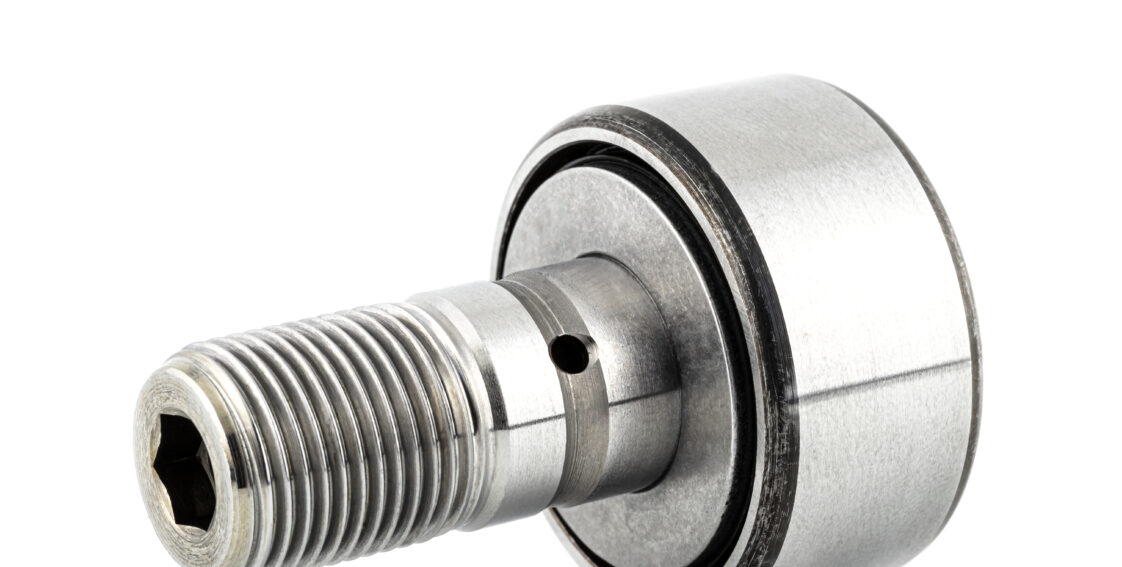
How do cam rollers contribute to precise and controlled motion in machinery?
Cam rollers play a significant role in ensuring precise and controlled motion in various machinery applications. Their design and functionality contribute to accurate tracking, smooth operation, and controlled movement. Here’s a detailed explanation of how cam rollers contribute to precise and controlled motion in machinery:
- Cam Profile Following: Cam rollers are specifically designed to follow the profile of a cam or track. The outer ring of the cam roller is shaped to match the contour of the cam surface. As the cam rotates or moves, the cam roller maintains contact with the cam profile, ensuring precise tracking and controlled motion along the desired path. This cam profile following capability enables machinery to achieve accurate and repeatable motion.
- Rolling Motion: Cam rollers utilize rolling motion to traverse the cam profile. The rolling motion reduces friction compared to sliding or rubbing contact, resulting in smoother operation and improved energy efficiency. The rolling action of cam rollers allows for controlled movement with minimal resistance, ensuring precise motion and minimizing wear and tear.
- Load Distribution: Cam rollers are designed to distribute the applied load evenly among the rolling elements. This load distribution capability minimizes stress concentrations and prevents excessive wear on individual rollers. By distributing the load effectively, cam rollers contribute to maintaining precise and controlled motion without compromising performance or causing premature failure.
- High Rigidity: Cam rollers are constructed to provide high rigidity, which is vital for precise and controlled motion. The materials and design of cam rollers ensure minimal deformation or flexing during operation, allowing for accurate positioning and controlled movement. The high rigidity of cam rollers enables machinery to maintain tight tolerances and achieve the desired motion without unwanted deviations.
- Roller Retainers: Some cam roller designs incorporate roller retainers or cages that hold the rolling elements in place and maintain proper spacing. These retainers prevent roller skewing and ensure controlled movement by guiding the rollers along the cam profile. The use of roller retainers enhances precision and eliminates the risk of roller misalignment, contributing to precise and controlled motion in machinery.
- Precision Bearings: Cam rollers are equipped with precision bearings that provide smooth rolling motion and reduce internal friction. These bearings are designed to handle both radial and axial loads, ensuring stable and controlled motion in various directions. The precision bearings in cam rollers contribute to the overall precision and controlled movement of the machinery.
By incorporating these design features and functionalities, cam rollers contribute to precise and controlled motion in machinery. They enable accurate tracking of cam profiles, utilize rolling motion with reduced friction, distribute loads evenly, provide high rigidity, use roller retainers for proper alignment, and utilize precision bearings for smooth operation. All these factors work together to ensure precise positioning, controlled movement, and reliable performance in a wide range of machinery applications.
In summary, cam rollers contribute to precise and controlled motion in machinery through their cam profile following capability, rolling motion, load distribution, high rigidity, roller retainers, and precision bearings. These features enable machinery to achieve accurate positioning, smooth operation, and controlled movement, resulting in improved performance and productivity.
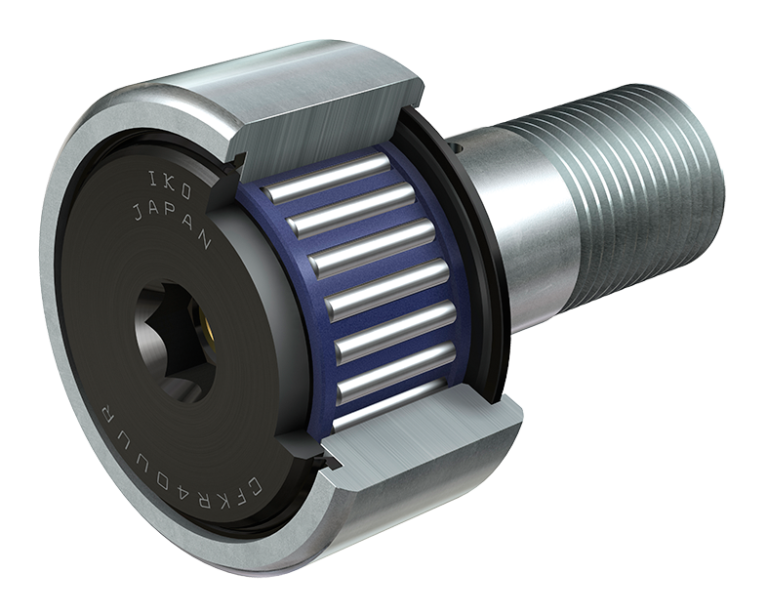
How does the design of a cam roller contribute to efficient motion and tracking?
The design of a cam roller plays a crucial role in ensuring efficient motion transmission and tracking along the surface profile of a cam or track. Various design features are incorporated to optimize performance, reliability, and smooth operation. Here’s a detailed explanation of how the design of a cam roller contributes to efficient motion and tracking:
- Bearing Element: The choice of the bearing element, such as cylindrical rollers, needle rollers, or ball bearings, is a critical design consideration. The bearing element should be selected based on the specific application requirements, including load capacity, speed, and precision. The bearing element allows for smooth rolling motion and efficient load distribution, minimizing friction and wear.
- Outer Ring Profile: The outer ring of a cam roller has a profile that matches the shape of the cam or track. This design feature ensures accurate tracking and follows the contour of the cam or track surface. The outer ring provides guidance and support to the roller, allowing it to smoothly traverse the cam profile without slipping or deviating from the desired path.
- Stud or Yoke: The stud or yoke is the component that attaches the cam roller to the moving part of the mechanical system. It is designed to provide secure attachment and proper alignment. The stud or yoke may have additional features such as threaded ends, lubrication provisions, or seals to enhance functionality and ease of maintenance.
- Roller Retainers: In some cam roller designs, roller retainers are used to maintain proper spacing and alignment of the rollers within the outer ring. These retainers prevent roller skewing and ensure even load distribution among the rollers. By maintaining precise roller alignment, efficient motion transmission and tracking are achieved.
- Sealing and Lubrication: Proper sealing and lubrication are essential for the efficient functioning of cam rollers. Seals prevent contaminants from entering the bearing and protect against lubricant leakage. Lubrication reduces friction and wear, ensuring smooth rolling motion. The design of cam rollers may include sealing elements and lubrication provisions to facilitate effective sealing and lubrication maintenance.
The careful consideration of these design factors contributes to efficient motion and tracking in cam rollers. When the cam roller is in operation, these design features enable it to smoothly follow the profile of the cam or track, ensuring accurate and reliable motion transmission. Efficient tracking minimizes energy losses, reduces wear, and enhances the overall performance of the mechanical system.
It is important to note that the design of a cam roller should be selected based on the specific requirements of the application. Factors such as load capacity, speed, operating conditions, and precision requirements should be taken into account to ensure optimal performance and longevity of the cam roller in the mechanical system.
In summary, the design of a cam roller, including the bearing element, outer ring profile, stud or yoke, roller retainers, sealing, and lubrication, contributes to efficient motion transmission and tracking. These design features enable smooth rolling motion, accurate tracking along the cam profile, and reliable performance in various mechanical systems.


editor by CX 2024-04-11