Product Description
Product Description
| Product Name | Tracker roller bearing, Cam follower bearing |
| Precision Rating | P6, P0, P5, P4, P2 |
| Material | Bearing Steel (GCr15) |
| Clearance | C1 C2 C3 |
| Vibration & Noisy | Z1, Z2, Z3 V1, V2, V3 |
| Features | Inch Size, with Eccentric Collar, with Hexagon Hole |
| Application | Machine Tools, Auto Parts, Power Generators,and other Industrial Applications |
| Certification | ISO 9001: 2008 |
| Packing | 1. Neutral Packing Bearing 2. Industrial Packing 3. Commercial Packing Bearing 4. Customize |
Product Parameters
| IKO | IKO | Mcgill | D | d | C | B1 | B2 | G | G1 | ||||||||
| CF04B | KR12 | CF4BUU | KR12PP | MCFR12SBX | 12 | 4 | 8 | 20 | 11 | — | M4X0.7 | 6 | — | — | 0.08 | 210 | 220 |
| CF05B | KR13 | CF5BUU | KR13PP | MCFR13SBX | 13 | 5 | 9 | 23 | 13 | — | M5X0.8 | 7.5 | — | — | 0.23 | 260 | 280 |
| CF06B | KR16 | CF6BUU | KR16PP | MCFR16SBX | 16 | 6 | 11 | 28 | 16 | — | M6X1 | 8 | — | — | 0.3 | 370 | 400 |
| CF08B | KR19 | CF8BUU | KR19PP | MCFR19SBX | 19 | 8 | 11 | 32 | 20 | — | M8X1.25 | 10 | — | — | 0.8 | 430 | 630 |
| CF10B | KR22 | CF10BUU | KR22PP | MCFR22SBX | 22 | 10 | 12 | 36 | 23 | — | M10X1.25 | 12 | — | — | 1.2 | 550 | 670 |
| CF10-1B | KR26 | CF10-1BUU | KR26PP | MCFR26SBX | 26 | 10 | 12 | 36 | 23 | — | M10X1.25 | 12 | — | — | 1.2 | 550 | 670 |
| CF12B | KR30 | CF12BUU | KR30PP | MCFR30SBX | 30 | 12 | 14 | 40 | 25 | 6 | M12X1.5 | 13 | 6 | 3 | 2.2 | 810 | 900 |
| CF12-1B | KR32 | CF12-1BUU | KR32PP | MCFR32SBX | 32 | 12 | 14 | 40 | 25 | 6 | M12X1.5 | 13 | 6 | 3 | 2.2 | 810 | 900 |
| CF16B | KR35 | CF16BUU | KR35PP | MCFR35SBX | 35 | 16 | 18 | 52 | 32.5 | 8 | M16X1.5 | 17 | 6 | 3 | 5.8 | 1230 | 1560 |
| CF18B | KR40 | CF18BUU | KR40PP | MCFR40SBX | 40 | 18 | 20 | 58 | 36.5 | 8 | M18X1.5 | 19 | 6 | 3 | 8.5 | 1500 | 2500 |
| CF20-1B | KR47 | CF20-1BUU | KR47PP | MCFR47SBX | 47 | 20 | 24 | 66 | 40.5 | 9 | M20X1.5 | 21 | 8 | 4 | 12 | 2110 | 3140 |
| CF20B | KR52 | CF20BUU | KR52PP | MCFR52SBX | 52 | 20 | 29 | 66 | 40.5 | 9 | M20X1.5 | 21 | 8 | 4 | 12 | 2110 | 3140 |
| CF24B | KR62 | CF24BUU | KR62PP | MCFR62SBX | 62 | 24 | 29 | 80 | 49.5 | 11 | M24X1.5 | 25 | 8 | 4 | 22 | 3110 | 3840 |
| CF24-1B | KR72 | CF24-1BUU | KR72PP | MCFR72SBX | 72 | 24 | 29 | 80 | 49.5 | 11 | M24X1.5 | 25 | 8 | 4 | 22 | 3110 | 3840 |
| CF30B | KR80 | CF30BUU | KR80PP | MCFR80SBX | 80 | 30 | 35 | 100 | 63 | 15 | M30X1.5 | 32 | 8 | 4 | 46 | 4630 | 6300 |
| CF30-1B | KR85 | CF30-1BUU | KR85PP | MCFR85SBX | 85 | 30 | 35 | 100 | 63 | 15 | M30X1.5 | 32 | 8 | 4 | 46 | 4630 | 6300 |
| CF30-2B | KR90 | CF30-2BUU | KR90PP | MCFR90SBX | 90 | 30 | 35 | 100 | 63 | 15 | M30X1.5 | 32 | 8 | 4 | 46 | 4630 | 6300 |
Workshop
Packaging & Shipping
Bearings Package:
1):Inner Plastic Bag+ Paper Box + Carton(+Pallet)
2):Small sizes:Plastic Tube + Carton
3):Big sizes:Wooden Case
Bearings Lead time:
We will prepare your order as soon as possible
1)2-3 days for ex-stock
2)7-20 days for others
Shipping & Delivery time:
1) Less than 45 Kg:DHL TNT Fedex UPS express will be better,( 4-7 days delivered to your address)
2) Between 45 to 200 Kg:Air transiportation will be better,( 5-14 days delivered to your airport)
3) Over 200 Kg:Sea transportation will be better.( Cheapest,18-45 days to your port ).
/* January 22, 2571 19:08:37 */!function(){function s(e,r){var a,o={};try{e&&e.split(“,”).forEach(function(e,t){e&&(a=e.match(/(.*?):(.*)$/))&&1
| Rows Number: | Single |
|---|---|
| Material: | Gcr15 |
| Precision: | P0 P6 P5 P4 P2 |
| Clearance: | C0 C2 C3 C4 C5 |
| Vibration: | Z1V1 Z2V2 Z3V3 |
| Lubricated: | Oil or Grease |
| Customization: |
Available
|
|
|---|
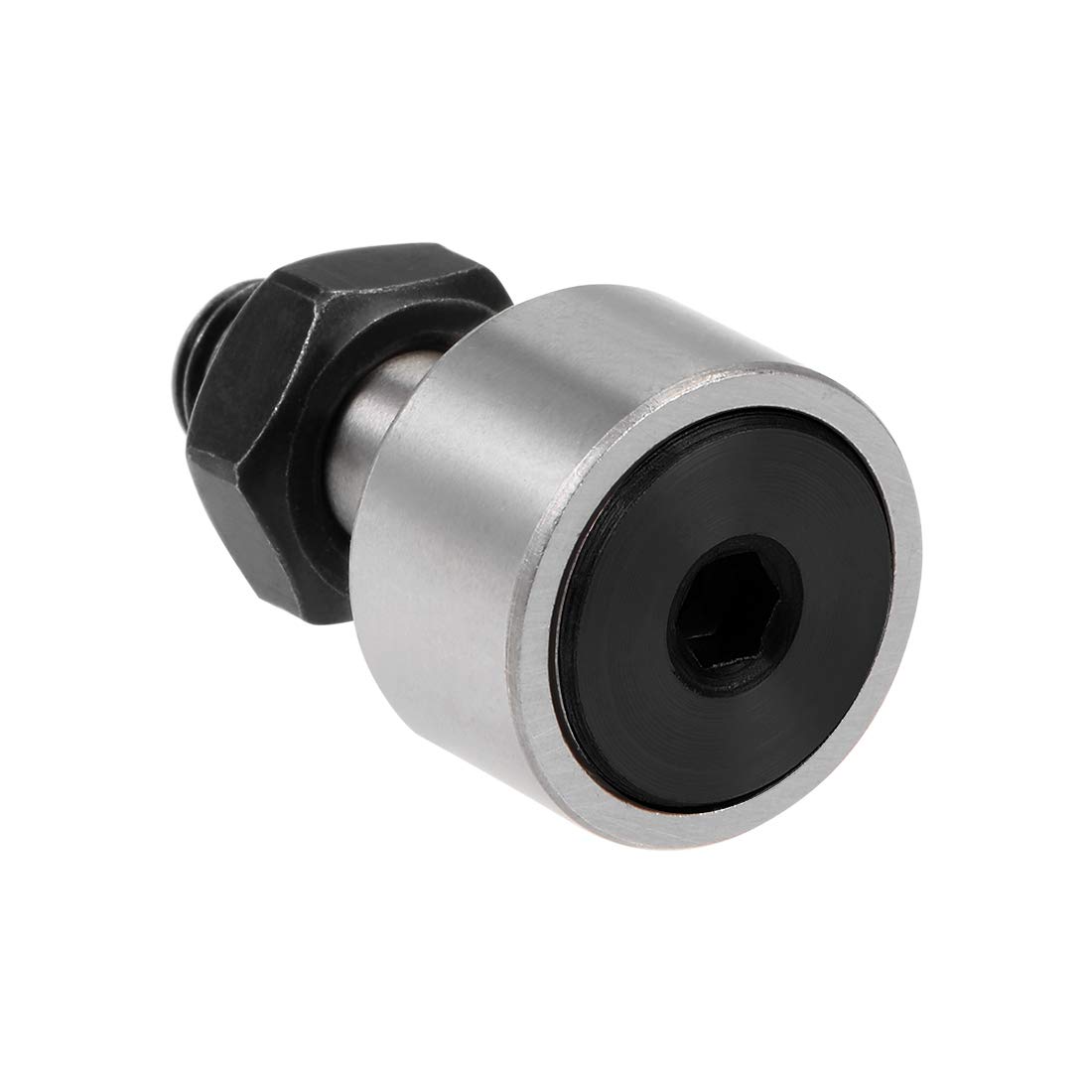
Can you provide insights into the importance of proper installation and alignment of cam rollers?
Proper installation and alignment of cam rollers are crucial for achieving optimal performance, longevity, and reliability of the tracking system. The installation and alignment process directly impacts the functionality, efficiency, and lifespan of the cam rollers. Here are some key insights into the importance of proper installation and alignment:
- Accurate Tracking: Proper installation ensures that the cam rollers are positioned correctly and aligned with the cam profile or track. Accurate alignment is essential for achieving precise and consistent tracking of objects or components. Even a slight misalignment can result in deviations from the desired path, causing positioning errors, reduced accuracy, and compromised system performance.
- Smooth Motion: Correct installation and alignment play a significant role in enabling smooth and uninterrupted rolling motion of the cam rollers. Misalignment or improper installation can introduce friction, uneven loading, or binding, which can lead to jerky or erratic motion. On the other hand, proper alignment facilitates smooth and efficient rolling, minimizing energy losses, reducing wear, and ensuring seamless operation.
- Load Distribution: Proper alignment helps distribute the load evenly among the cam rollers and the associated components. Uniform load distribution prevents excessive stress on individual rollers, bearings, or tracks, reducing the risk of premature wear, fatigue, or failure. By ensuring proper load distribution, proper installation and alignment contribute to the longevity and reliability of the cam roller system.
- Reduced Wear and Damage: Correct installation and alignment minimize friction and wear between the cam rollers and the track. Improper alignment can cause rubbing, scraping, or uneven contact, leading to accelerated wear, surface damage, or deformation of the rollers or track. Proper alignment reduces these issues, extending the lifespan of the cam rollers and reducing the frequency of maintenance or replacements.
- Optimized Performance: Properly installed and aligned cam rollers maximize the performance of the tracking system. When the cam rollers are aligned correctly, they can operate at their intended design parameters, ensuring efficient power transmission, accurate tracking, and smooth motion. This optimization leads to improved productivity, reduced downtime, and enhanced overall system performance.
- Alignment Sensitivity: Cam roller systems are often sensitive to misalignment due to their precise nature. Small deviations in alignment can have a significant impact on the performance and functionality of the system. Therefore, it is crucial to follow manufacturer guidelines and recommended alignment procedures during installation to ensure proper alignment and avoid potential issues.
- Ease of Maintenance: Proper installation and alignment facilitate easier maintenance and servicing of the cam rollers. When the cam rollers are correctly aligned, it becomes simpler to access and replace individual components, such as bearings or rollers, during routine maintenance or repairs. This reduces downtime, simplifies maintenance procedures, and ensures efficient upkeep of the tracking system.
In summary, proper installation and alignment of cam rollers are essential for achieving accurate tracking, smooth motion, load distribution, reduced wear, optimized performance, and ease of maintenance. By following proper installation procedures and ensuring precise alignment, the longevity, efficiency, and reliability of the cam roller system can be maximized, leading to improved overall system performance and longevity.
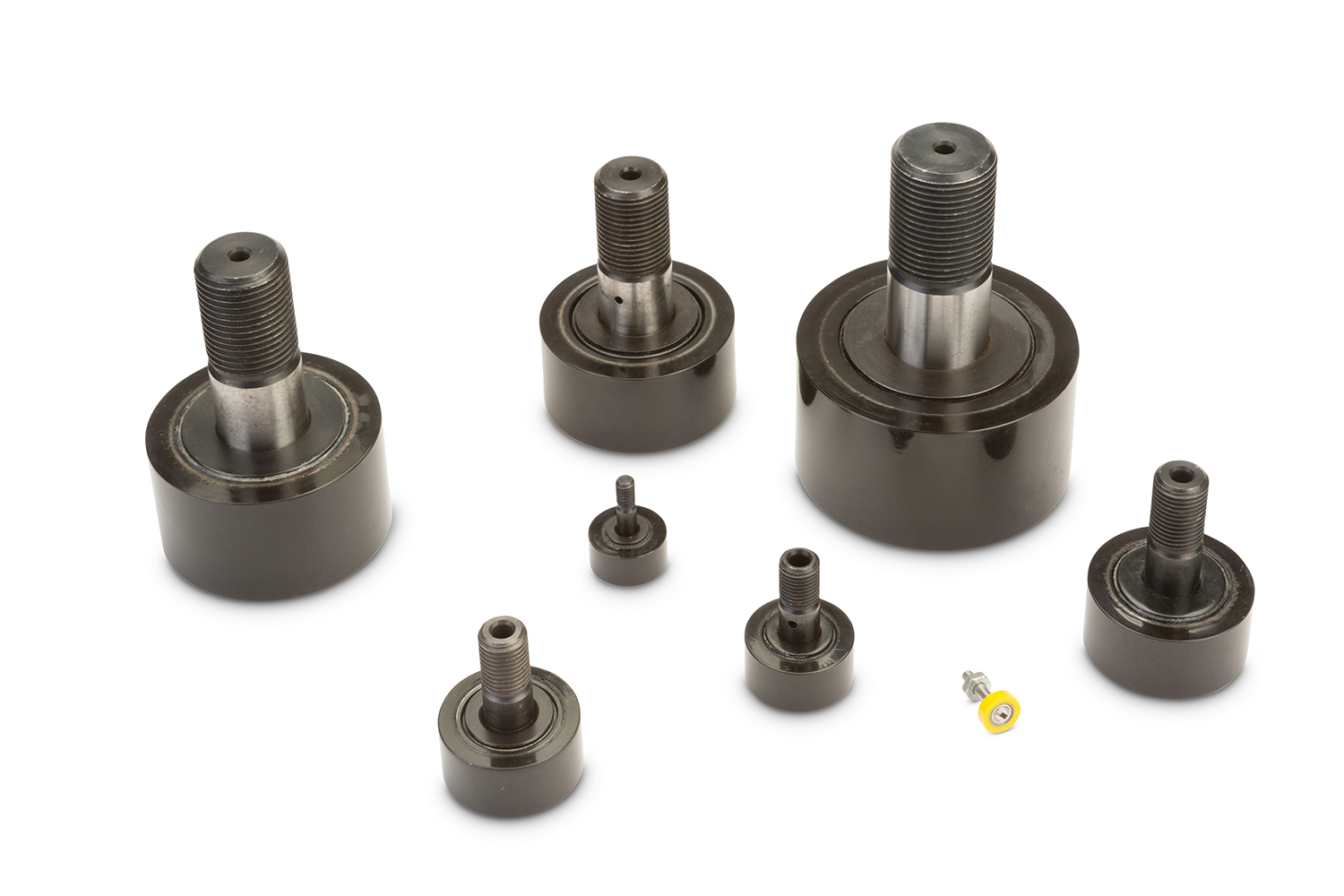
What advantages do cam rollers offer compared to other tracking components?
Cam rollers offer several advantages compared to other tracking components, making them a preferred choice in many applications. Their unique design and features provide distinct benefits that contribute to improved performance, reliability, and efficiency. Here’s a detailed explanation of the advantages that cam rollers offer compared to other tracking components:
- Precision Tracking: Cam rollers are specifically designed to follow the profile of a cam or track with high precision. The cam profile following capability ensures accurate tracking along the desired path, allowing for precise positioning and controlled motion. Other tracking components may not provide the same level of precision, leading to deviations or inaccuracies in the motion system.
- Rolling Motion: Cam rollers utilize rolling motion, where the rolling elements rotate instead of sliding or rubbing against the track. This rolling action reduces friction, resulting in smoother operation, improved energy efficiency, and reduced wear on both the cam roller and the track. In contrast, components that rely on sliding or rubbing contact may experience higher friction, leading to increased wear and decreased efficiency.
- Load Distribution: Cam rollers distribute the applied load evenly among the rolling elements. This load distribution capability minimizes stress concentrations and ensures that no single point bears an excessive load. As a result, cam rollers can handle higher loads while maintaining stability and longevity. Other tracking components may experience localized stress concentrations, leading to premature wear or failure under heavy loads.
- High Rigidity: Cam rollers are designed to provide high rigidity, allowing for accurate positioning and controlled motion. The materials and construction of cam rollers ensure minimal flexing or deformation during operation, maintaining tight tolerances and preventing unwanted deviations. In comparison, some other tracking components may exhibit lower rigidity, leading to less precise motion and increased susceptibility to external forces.
- Wide Range of Configurations: Cam rollers are available in various configurations, such as stud-type cam rollers and yoke-type cam rollers, to accommodate different attachment and mounting requirements. This versatility makes them suitable for a wide range of applications and machinery configurations. In contrast, some other tracking components may have limited options or may not offer the same level of adaptability to diverse mounting or attachment needs.
- Cost-Effectiveness: Cam rollers are generally cost-effective solutions for motion tracking. They offer a good balance between performance and cost, making them a preferred choice in many applications. Their durability, reliability, and long service life contribute to overall cost savings by minimizing maintenance, replacement, and downtime expenses. Other tracking components with similar performance characteristics may be more expensive or may not provide the same level of reliability.
By offering precision tracking, rolling motion, load distribution, high rigidity, versatile configurations, and cost-effectiveness, cam rollers stand out as advantageous tracking components in comparison to other alternatives. These advantages make cam rollers suitable for a wide range of applications, including machinery, conveyors, material handling systems, and automation equipment.
In summary, cam rollers offer distinct advantages compared to other tracking components. Their precision tracking, rolling motion, load distribution, high rigidity, versatile configurations, and cost-effectiveness contribute to improved performance, reliability, and efficiency in motion systems.
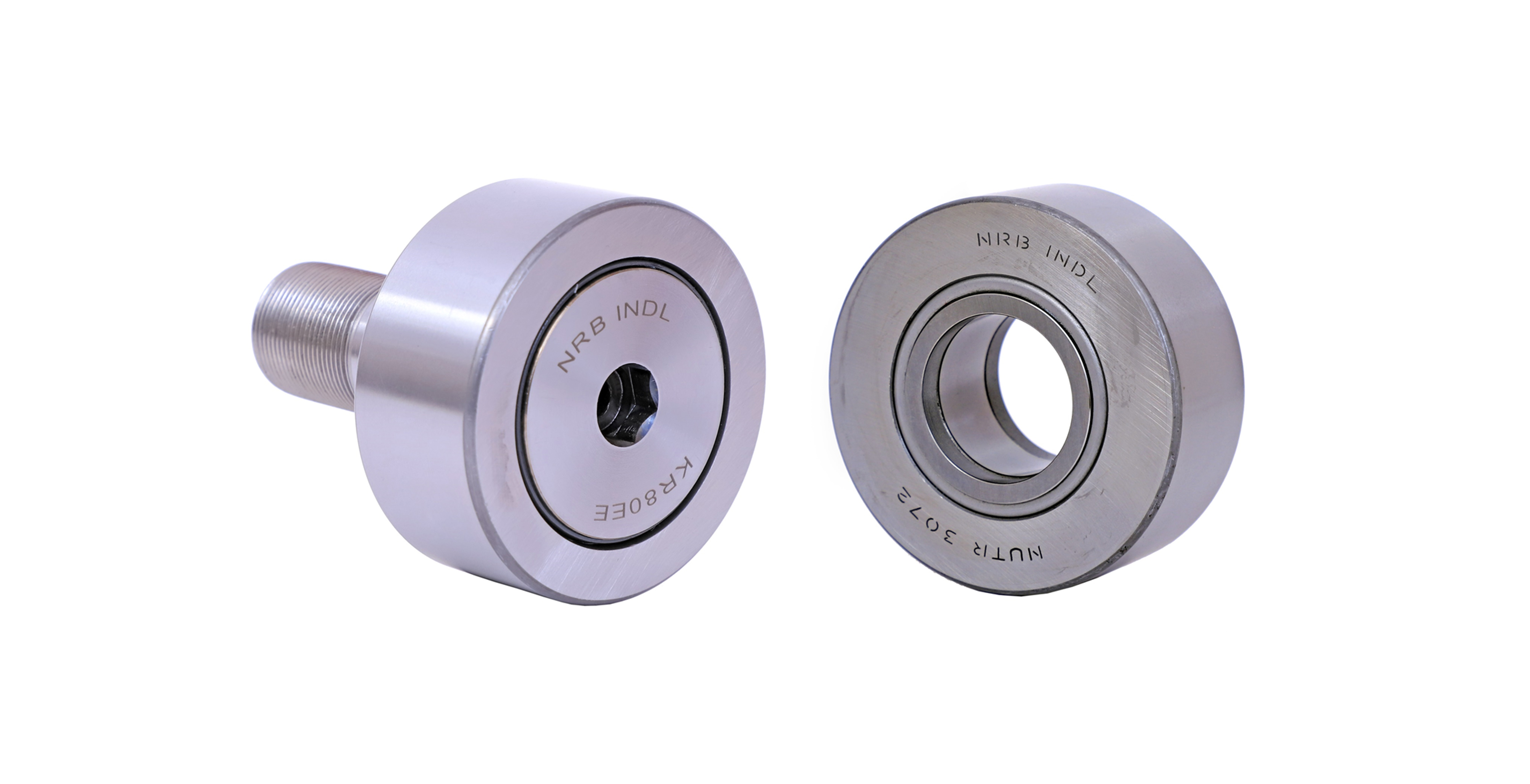
In what industries or scenarios are cam rollers commonly employed?
Cam rollers, also known as cam followers or track rollers, find extensive usage in various industries and scenarios due to their versatile capabilities. These specialized roller bearings are employed in applications that require motion transmission, guidance, support, load handling, and compensation for misalignment. Here’s a detailed explanation of the industries and scenarios where cam rollers are commonly employed:
- Automotive Industry: Cam rollers play a vital role in the automotive industry. They are used in engines to control valve timing, ensuring precise opening and closing of valves. Cam rollers are also utilized in suspension systems, where they guide the movement of suspension arms and provide support.
- Material Handling and Conveyor Systems: Cam rollers are extensively employed in material handling and conveyor systems. They guide the movement of belts, chains, or rollers, ensuring smooth and controlled transportation of goods. Cam rollers provide support and help maintain proper alignment, contributing to efficient material handling operations.
- Printing and Packaging Machinery: In printing and packaging machinery, cam rollers are commonly utilized. They are used to control tension and guide the movement of printing substrates or packaging materials. Cam rollers ensure consistent and accurate positioning of materials, enabling high-quality printing and precise packaging.
- Textile Industry: Cam rollers have significant applications in the textile industry. They are employed in textile machinery to control the feeding and positioning of fabrics. Cam rollers contribute to the precise movement and tension control of fabrics during various textile processes.
- Construction and Heavy Machinery: Cam rollers are extensively used in construction machinery and heavy equipment. They provide support and handle heavy loads in applications such as excavators, cranes, and loaders. Cam rollers ensure smooth operation and reliable load-bearing capabilities in demanding construction environments.
- Industrial Automation: Cam rollers find wide usage in industrial automation systems. They are employed in robotics, assembly lines, and automated machinery to transmit motion, guide components, and handle loads. Cam rollers contribute to the precise movement and positioning of components in automated processes.
- Aerospace and Defense: Cam rollers have applications in the aerospace and defense industries. They are utilized in aircraft landing gear systems, missile guidance mechanisms, and other critical mechanical systems. Cam rollers provide reliable motion transmission, support, and load handling capabilities in aerospace and defense applications.
These are just a few examples of the industries and scenarios where cam rollers are commonly employed. Their versatility and reliability make them suitable for a wide range of applications that require precise motion control, load handling, and guidance. The specific design, size, and material of cam rollers are selected based on the requirements of each industry or scenario.
In summary, cam rollers find extensive usage in industries such as automotive, material handling, printing and packaging, textile, construction, industrial automation, aerospace, and defense. They are employed in scenarios that require motion transmission, guidance, support, load handling, and compensation for misalignment. Cam rollers contribute to the efficient and reliable operation of mechanical systems across diverse industries and applications.


editor by CX 2024-04-12