Product Description
| BRAND | CATALOGUE | ||||||||
| BULLDOZER | D20 | D30 | D31 | D37 | D40 | D41 | D45 | D50 | D60 |
| D65 | D68 | D75 | D80 | D85 | D150 | D155 | D275 | D355 | |
| D3C | D3D | D4C | D4D | D4H | D5 | D6C | D6D | D6H | |
| D7G | D8K | D8N | D9N | D10N | D11N | ||||
| KOMATSUA | PC30 | PC40 | PC45 | PC60 | PC75 | PC100 | PC120 | PC150 | PC200 |
| PC220 | PC300 | PC350 | PC400 | ||||||
| CATERPILLARA | E70B | E110 | E120B | E215 | E235 | E307 | E311 | E312 | E322 |
| E180 | E240 | E200B | E320 | E300 | E300B | E330 | E325 | ||
| HITACHI | EX30 | EX40 | EX60 | EX100 | EX120 | EX200 | EX220 | EX270 | EX300 |
| EX400 | EX600 | UH043 | UH052 | UH53 | UH07 | UH081 | UH082 | UH083 | |
| FIAT-HITACHI | FH120 | FH130 | FH150 | FH200 | FH220 | FH270 | FH300 | ||
| VOLVO | EC55 | EC130 | EC150 | EC200 | EC210 | EC240 | EC290 | EC360 | |
| DAEWOO | DH55 | DH130 | DH180 | DH200 | DH280 | DH300 | DH320 | ||
| HYUNDAI | R60 | R130 | R200 | R210 | R220 | R290 | R320 | R914 | |
| KATO | HD250 | HD400 | HD450 | HD700 | HD770 | HD820 | HD1250 | ||
| KOBELCO | SK40 | SK60 | SK100 | SK120 | SK200 | SK220 | SK04-2 | SK07 | |
| SK07N2 | SK09 | SK12 | SK14 | SK300 | SK310 | SK400 | |||
| JCB | JS70 | JS75 | JS110 | JS130 | JS160 | JS180 | JS200 | JS220 | |
| JS240 | JS260 | JS300 | JS330 | ||||||
| SUMITOMO | SH70 | SH100 | SH120 | SH160 | SH200 | SH260 | SH265 | SH280 | SH300 |
| SH340 | LS2650 | LS2800 | LS3400 | LS4300 | |||||
| MX8 | SE200 | SE210 | SE280 | MX292 | SE350 | ||||
| MITSUBISHI | MS110 | MS120 | MS140 | MS180 | |||||
All manufacturer’s names,symbols&descriptions are used for reference purpose only,and it is not implied that and any part listed is the product of these manufacturers.
PRODUCT DESCRITION
FAQ
1. You are a trader or a manufacture?
We are an industry and trade integration business, our factory located on HangZhou Nanan Distric, and our sales department is in City centre of HangZhou. The distance is 80Kms, 1.5 hours.
2. How can I be sure the part will fit my excavator?
Give us correct model number/machine serial number/ any numbers on the parts itself. Or measure the parts give us dimension or drawing.
3. How about the payment terms?
We usually accept T/T or Trade Assurance. other terms also could be negotiated.
4. What is your minimum order?
It depends on what you are buying. LCL container (less than a container load) can be acceptable.
5. What is your delivery time?
FOB HangZhou or any Chinese port : 20 days . If there are any parts in stock , our delivery time is only 0-7 days.
6. What about Quality Control?
We have a perfect QC system for the perfect products. A team who will detect the product quality and specification piece carefully, monitoring every production process until packing is complete, to ensure product safety into container. /* March 10, 2571 17:59:20 */!function(){function s(e,r){var a,o={};try{e&&e.split(“,”).forEach(function(e,t){e&&(a=e.match(/(.*?):(.*)$/))&&1
| Warranty: | One Year |
|---|---|
| Type: | Crawler Excavator |
| Usage: | Special Excavator, Marine Excavator, Mining Excavator, GM Excavator |
| Bucket: | Grab Shovel |
| Transmission: | Mechanical Transmission |
| Drive Type: | Internal Combustion Drive |
| Samples: |
US$ 40/Piece
1 Piece(Min.Order) | |
|---|
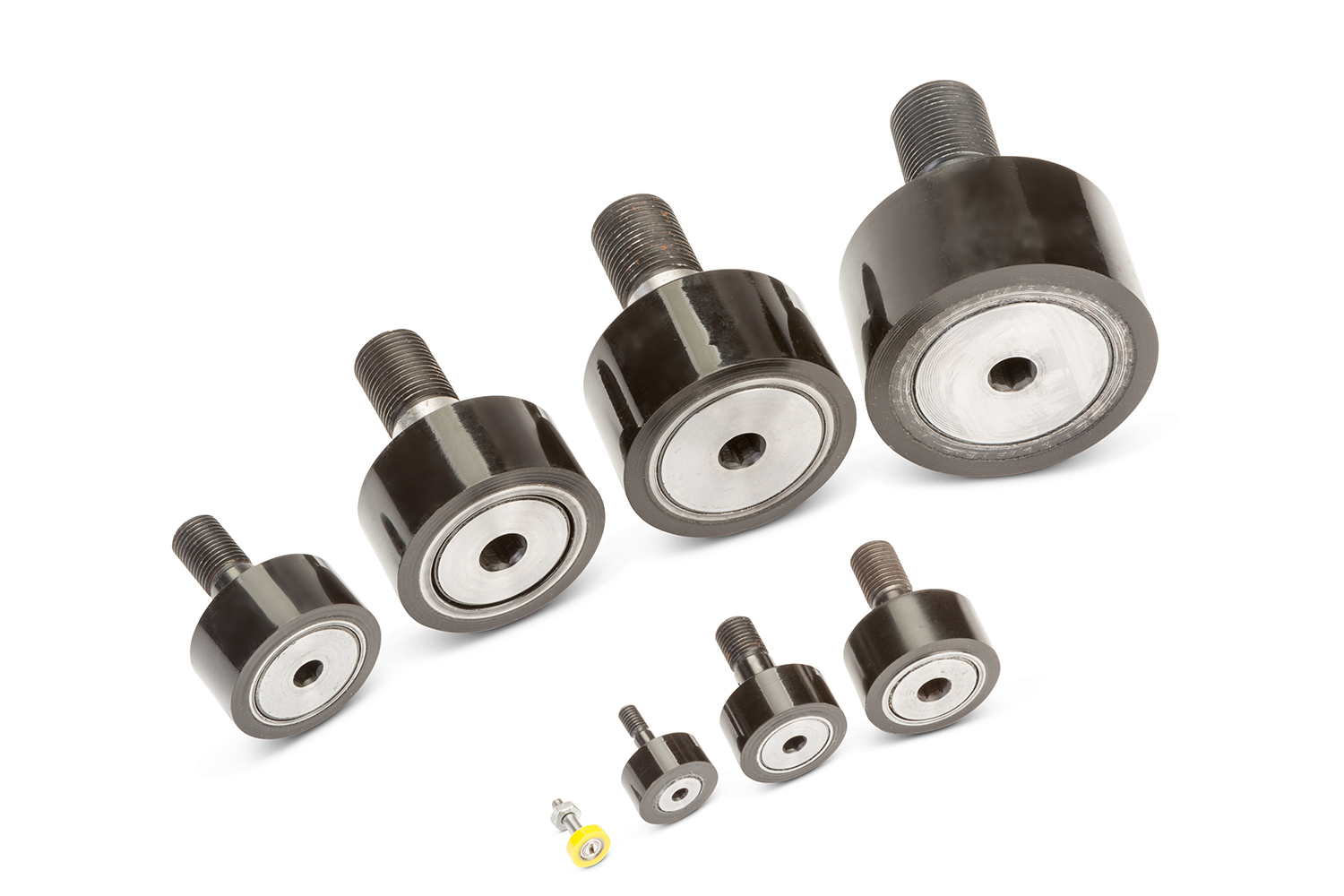
What are the signs that indicate a need for cam roller replacement or maintenance, and how can they be diagnosed?
Proper maintenance and timely replacement of cam rollers are essential for ensuring their optimal performance and longevity. Several signs indicate the need for cam roller replacement or maintenance, and diagnosing these signs can help identify potential issues. Here are some common signs and diagnostic methods:
- Abnormal Noise: Unusual or excessive noise during the operation of cam rollers can indicate problems. Grinding, squeaking, or rattling sounds may suggest issues such as worn bearings, misalignment, or insufficient lubrication. Conduct a thorough inspection and listen for any abnormal noise while the cam rollers are in motion.
- Irregular Motion: If the cam rollers exhibit irregular or jerky motion instead of smooth and consistent rolling, it may indicate problems. This can be caused by misalignment, damaged cam profiles, worn bearings, or debris accumulation. Observe the motion of the cam rollers carefully to detect any irregularities or inconsistencies.
- Inconsistent Tracking: Cam rollers should provide accurate and consistent tracking of objects or components along the designated path. If there are deviations or errors in the tracking, it may indicate misalignment, worn cam profiles, damaged rollers, or track irregularities. Monitor the tracking performance of the cam rollers and check for any inconsistencies or deviations from the desired path.
- Excessive Wear: Visual inspection of the cam rollers can reveal signs of excessive wear. Check for signs such as worn or flattened surfaces, pitting, cracks, or deformation. Excessive wear can occur due to high loads, misalignment, inadequate lubrication, or prolonged usage. Regularly inspect the cam rollers for any visible signs of wear or damage.
- Uneven Load Distribution: Improper load distribution across the cam rollers can lead to premature wear or failure. Inspect the cam rollers and associated components for any signs of uneven loading, such as uneven wear patterns, excessive wear on specific rollers, or track distortions. Uneven load distribution may result from misalignment, damaged components, or improper installation.
- Increased Friction: Excessive friction during the rolling motion of cam rollers can impair their performance and lead to accelerated wear. Monitor the rolling motion and check for signs of increased friction, such as resistance, overheating, or uneven movement. Excessive friction can be caused by misalignment, inadequate lubrication, debris accumulation, or worn components.
- Loss of Efficiency: A decrease in the efficiency of the cam roller system can indicate underlying issues. If the system requires more power, shows reduced speed, or exhibits decreased accuracy compared to its normal operation, it may indicate problems with the cam rollers. Monitor the system’s performance and compare it with the expected efficiency to identify any loss in performance.
When diagnosing these signs, it is important to follow manufacturer guidelines and recommended maintenance procedures. Diagnostic methods may include visual inspection, listening for abnormal sounds, measuring performance parameters, checking alignment, conducting lubrication analysis, or consulting with qualified technicians or maintenance professionals.
Regular maintenance and inspection schedules should be established to monitor the condition of cam rollers. By identifying signs of wear, misalignment, or other issues early on, timely maintenance or replacement can be performed to prevent further damage, maintain optimal performance, and extend the lifespan of the cam roller system.
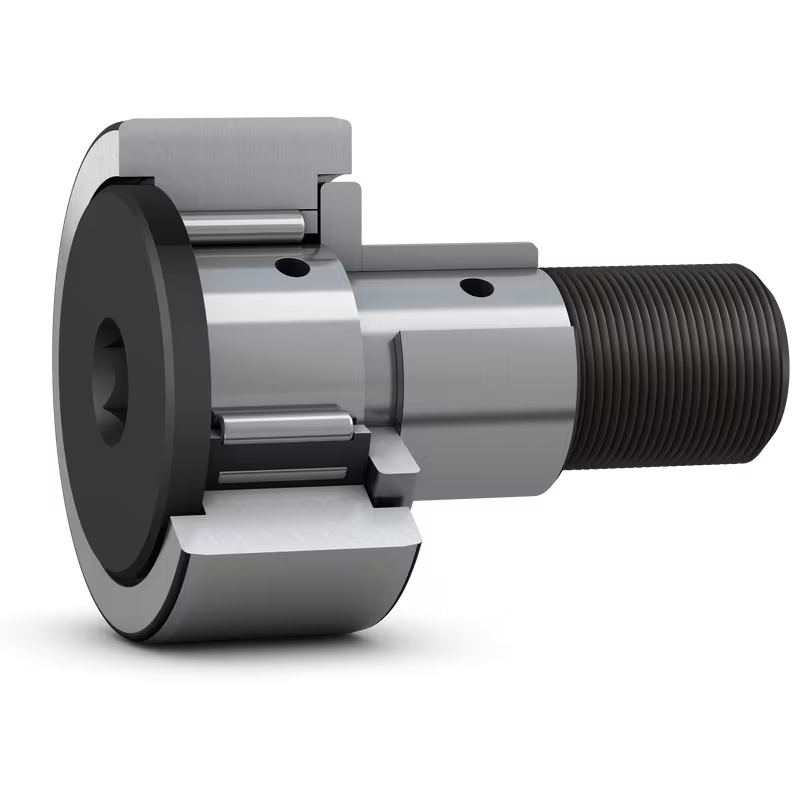
What maintenance practices are recommended for cam rollers to ensure optimal functionality?
Proper maintenance is essential for ensuring the optimal functionality and longevity of cam rollers. Regular maintenance practices help prevent premature wear, minimize downtime, and maintain the performance of cam rollers in various applications. Here are some recommended maintenance practices for cam rollers:
- Cleaning: Regularly clean the cam rollers to remove dust, dirt, and debris that can accumulate on the rolling surfaces. Use a soft brush or compressed air to clean the cam rollers, ensuring that no contaminants hinder their smooth operation.
- Lubrication: Apply appropriate lubrication to the cam rollers to reduce friction and wear. Use lubricants recommended by the manufacturer, ensuring they are compatible with the materials and operating conditions of the cam rollers. Regularly check the lubrication levels and replenish as needed.
- Inspection: Perform routine visual inspections of the cam rollers to check for any signs of wear, damage, or misalignment. Look for excessive play, deformation, or any irregularities that may affect their performance. If any issues are identified, take appropriate measures such as adjustments, repairs, or replacements.
- Tightening: Check the fasteners, such as bolts or screws, that secure the cam rollers to the equipment or mounting surfaces. Ensure that they are properly tightened to prevent loosening during operation, which could lead to misalignment or reduced performance.
- Alignment: Check the alignment of the cam rollers periodically to ensure they are properly aligned with the cam or track they are following. Misalignment can lead to increased wear, reduced accuracy, and decreased lifespan of the cam rollers. Adjust the alignment as necessary to maintain optimal functionality.
- Load Distribution: Monitor the load distribution among the rolling elements of the cam rollers. Ensure that the load is evenly distributed to prevent overloading or excessive stress on individual rolling elements. Uneven load distribution can lead to premature wear or failure of the cam rollers.
- Environmental Considerations: Consider the specific environmental conditions in which the cam rollers operate. Take appropriate measures to protect the cam rollers from corrosive substances, extreme temperatures, excessive moisture, or other environmental factors that may affect their performance. Use protective coatings, seals, or covers as needed.
- Replacement: Cam rollers have a finite lifespan, and eventually, they will need to be replaced. Monitor the wear and performance of the cam rollers over time. When signs of significant wear, damage, or reduced functionality are observed, plan for timely replacement to avoid unexpected failures or disruptions in the operation.
It is important to note that maintenance practices may vary depending on the specific design, materials, and operating conditions of the cam rollers. Therefore, it is recommended to refer to the manufacturer’s guidelines and recommendations for maintenance specific to the cam rollers being used.
By following these maintenance practices and adopting a preventive maintenance approach, operators can ensure the optimal functionality, reliability, and longevity of cam rollers in various applications.
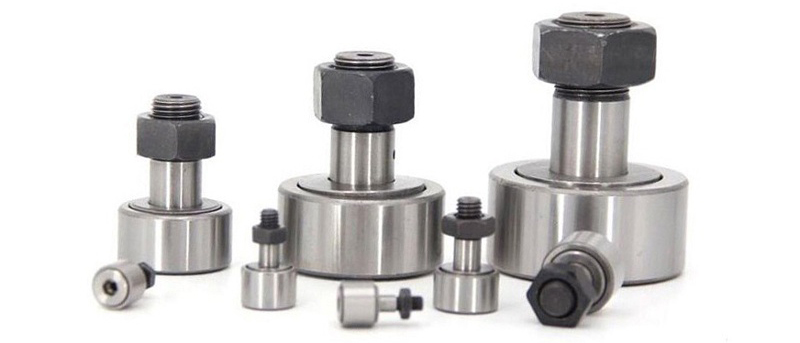
Can you explain the primary functions and roles of cam rollers in various applications?
Cam rollers, also known as cam followers or track rollers, serve a variety of functions and play crucial roles in various applications across different industries. These specialized roller bearings are designed to follow the surface profile of a cam or track, enabling them to transmit motion, provide guidance, support, and handle loads. Here’s a detailed explanation of the primary functions and roles of cam rollers in various applications:
- Motion Transmission: One of the primary functions of cam rollers is to transmit motion from a rotating cam to a reciprocating or oscillating component. They are commonly used in applications such as engines, where they transfer the motion of the camshaft to the valves, controlling the opening and closing of the valves at the appropriate timing. Cam rollers ensure precise and reliable motion transmission in these systems.
- Guidance and Support: Cam rollers are frequently utilized to provide guidance and support to moving components in mechanical systems. They help maintain proper alignment and prevent lateral movement or deflection. In conveyor systems, for example, cam rollers guide the movement of belts or chains, ensuring smooth and controlled operation.
- Load Bearing: Cam rollers are designed to bear high loads and provide support in heavy-duty applications. They are commonly found in machinery and equipment where there is a need for reliable load-bearing capabilities. Construction machinery, material handling equipment, and industrial automation systems often rely on cam rollers to handle substantial loads and ensure stable and efficient operation.
- Compensating for Misalignment: In some applications, cam rollers are employed to compensate for misalignment between components. The rolling motion of the cam follower allows it to adjust and accommodate slight deviations in the cam or track profile. This feature ensures smooth operation even when there are minor misalignments, improving the overall performance and reliability of the system.
- Application-Specific Functions: Cam rollers can also serve application-specific functions based on the requirements of a particular system. For example, in printing and packaging machinery, cam rollers may be used to control the tension and guide the movement of printing substrates or packaging materials. In textile machinery, cam rollers may play a role in controlling the feeding and positioning of fabrics. The versatility of cam rollers allows them to be tailored to the specific needs of diverse applications.
The choice of cam roller design, size, and material depends on the specific demands of the application. Factors such as load capacity, speed, operating conditions, precision requirements, and environmental factors are taken into consideration when selecting the appropriate cam roller. Regular maintenance, including lubrication and inspection, is vital to ensure optimal performance and longevity of cam rollers in various applications.
In summary, cam rollers fulfill essential functions and play significant roles in a wide range of applications. They enable motion transmission, provide guidance and support, bear heavy loads, compensate for misalignment, and serve application-specific functions. Cam rollers contribute to the efficiency, reliability, and smooth operation of mechanical systems across diverse industries.


editor by CX 2024-01-30