Product Description
Product Description
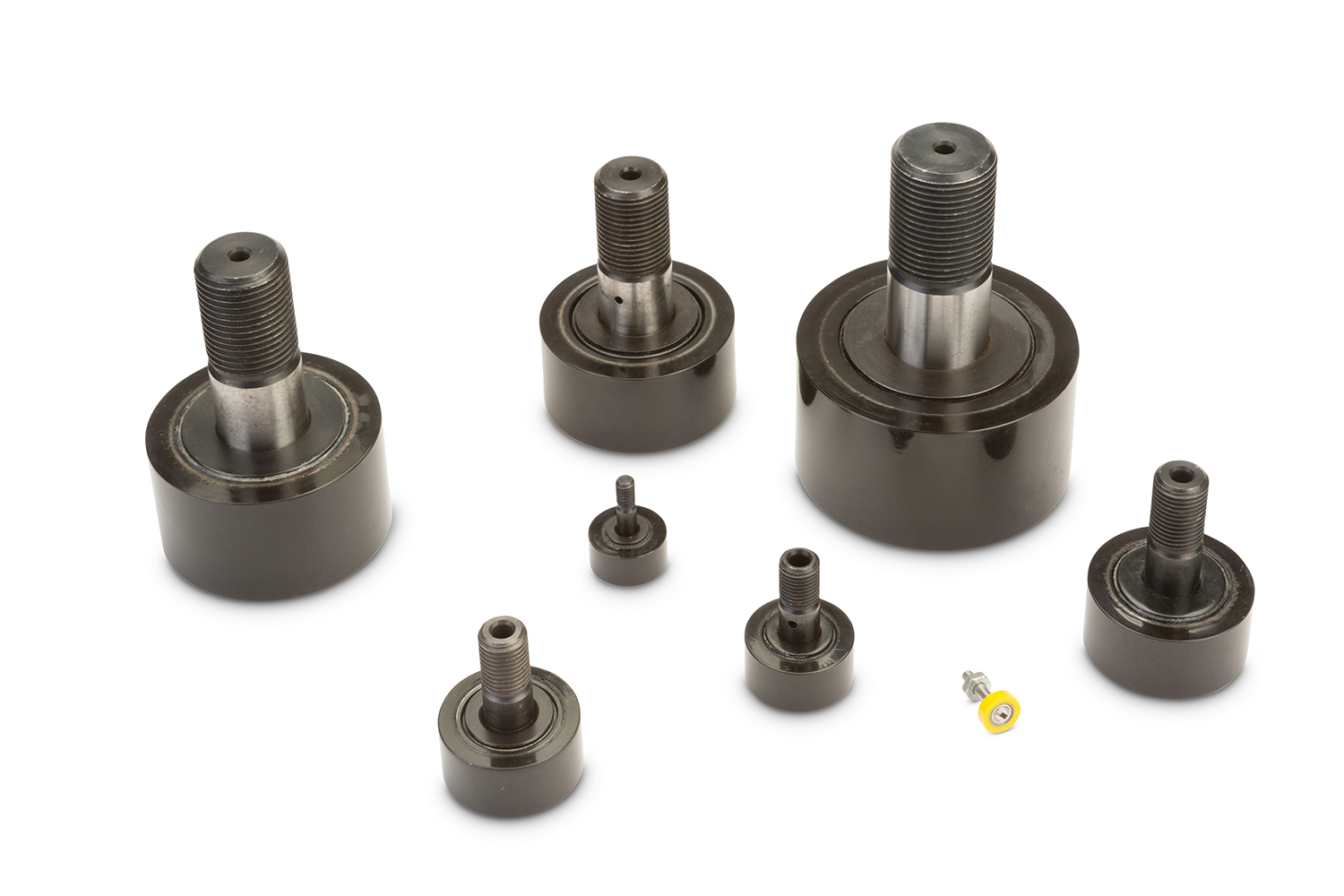
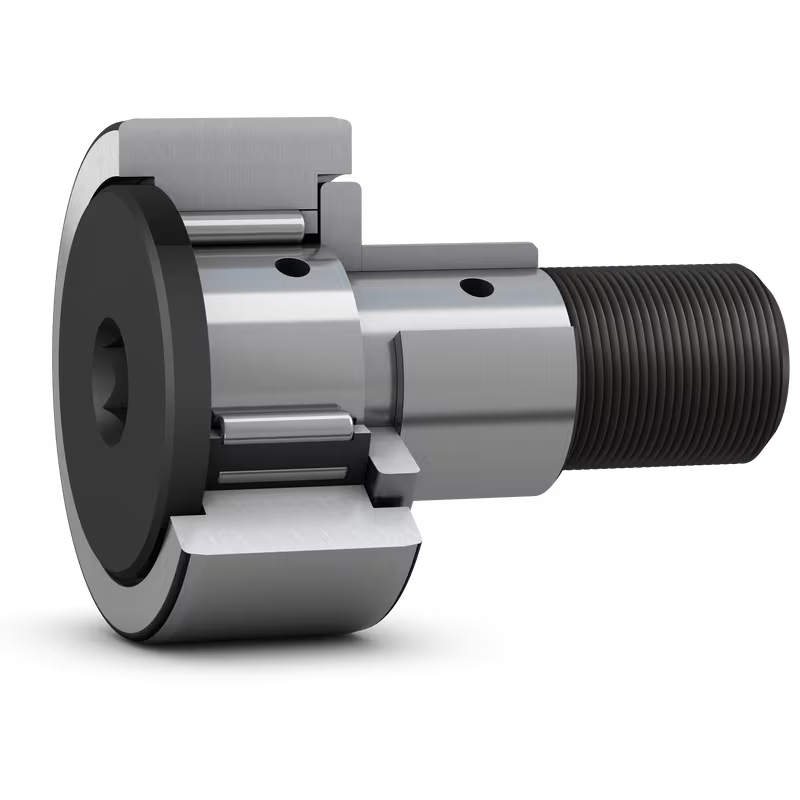
| Product Name | Tracker roller bearing, Cam follower bearing |
| Precision Rating | P6, P0, P5, P4, P2 |
| Material | Bearing Steel (GCr15) |
| Clearance | C1 C2 C3 |
| Vibration & Noisy | Z1, Z2, Z3 V1, V2, V3 |
| Features | Inch Size, with Eccentric Collar, with Hexagon Hole |
| Application | Machine Tools, Auto Parts, Power Generators,and other Industrial Applications |
| Certification | ISO 9001: 2008 |
| Packing | 1. Neutral Packing Bearing 2. Industrial Packing 3. Commercial Packing Bearing 4. Customize |
Product Parameters
| Bearing No. | Dimensions (mm) | Basic Load Rating(KN) | Limited | Mass | ||||||||
| Speed | ||||||||||||
| Without seals | Sealed Type | D | d | C | B | B1 | B2 | G1 | C | Co | rpm | kg |
| CF-1/2-N-B | CF-1/2-N-SB | 12.7 | 4.83 | 8.73 | 22.23 | 12.7 | – | 6.35 | 3.44 | 3.84 | 12000 | 0.009 |
| CF-1/2-B | CF-1/2-SB | 12.7 | 4.83 | 9.53 | 26.19 | 15.88 | – | 6.35 | 3.84 | 4.4 | 12000 | 0.01 |
| CF-9/16-B | CF-9/16-SB | 14.29 | 4.83 | 9.53 | 26.19 | 15.88 | – | 6.35 | 4.3 | 5.3 | 10000 | 0.015 |
| CF-5/8-N-B | CF-5/8-N-SB | 15.88 | 6.35 | 10.32 | 26.99 | 15.88 | – | 7.94 | 4.72 | 6.24 | 8800 | 0.019 |
| CF-5/8-B | CF-5/8-SB | 15.88 | 6.35 | 11.11 | 30.96 | 19.05 | – | 7.94 | 5.2 | 7 | 8800 | 0.571 |
| CF-11/16-B | CF-11/16-SB | 17.46 | 6.35 | 11.11 | 30.96 | 19.05 | – | 7.94 | 6.5 | 8.5 | 8000 | 0.03 |
| CF-3/4-B | CF-3/4-SB | 19.05 | 9.53 | 12.7 | 35.72 | 22.23 | 6.35 | 9.53 | 7.12 | 10 | 6400 | 0.037 |
| CF-7/8-B | CF-7/8-SB | 22.23 | 9.53 | 12.7 | 35.72 | 22.23 | 6.35 | 9.53 | 7.12 | 10 | 6400 | 0.048 |
| CF-1-B | CF-1-SB | 25.4 | 11.11 | 15.88 | 42.07 | 25.4 | 6.35 | 12.7 | 10.64 | 18.5 | 5200 | 0.076 |
| CF-1 1/8-B | CF-1 1/8-SB | 28.58 | 11.11 | 15.88 | 42.07 | 25.4 | 6.35 | 12.7 | 10.64 | 18.5 | 5200 | 0.087 |
| CF-1 1/4-B | CF-1 1/4-SB | 31.75 | 12.7 | 19.05 | 51.59 | 31.75 | 7.94 | 15.88 | 19.2 | 25.9 | 4400 | 0.14 |
| CF-1 3/8-B | CF-1 3/8-SB | 34.93 | 12.7 | 19.05 | 51.59 | 31.75 | 7.94 | 15.88 | 19.2 | 25.9 | 4400 | 0.163 |
| CF-1 1/2-B | CF-1 1/2-SB | 38.1 | 15.88 | 22.23 | 61.12 | 38.1 | 9.53 | 19.05 | 23 | 32.7 | 3600 | 0.235 |
| CF-1 5/8-B | CF-1 5/8-SB | 41.28 | 15.88 | 22.23 | 61.12 | 38.1 | 9.53 | 19.05 | 23 | 32.7 | 3600 | 0.27 |
| CF-1 3/4-B | CF-1 3/4-SB | 44.45 | 19.05 | 25.4 | 70.64 | 44.45 | 11.11 | 22.23 | 28.7 | 45.4 | 3200 | 0.379 |
| CF-1 7/8-B | CF-1 7/8-SB | 47.63 | 19.05 | 25.4 | 70.64 | 44.45 | 11.11 | 22.23 | 28.7 | 45.4 | 3200 | 0.426 |
| CF-2-B | CF-2-SB | 50.8 | 22.23 | 31.75 | 83.34 | 50.8 | 12.7 | 25.4 | 37.3 | 65.8 | 2800 | 0.64 |
| CF-2 1/4-B | CF-2 1/4-SB | 57.15 | 22.23 | 31.75 | 83.34 | 50.8 | 12.7 | 25.4 | 37.3 | 65.8 | 2800 | 0.774 |
| CF-2 1/2-B | CF-2 1/2-SB | 63.5 | 25.4 | 38.1 | 96.04 | 57.15 | 14.29 | 28.58 | 54 | 102.3 | 1.126 | |
| CF-2 3/4-B | CF-2 3/4-SB | 69.85 | 25.4 | 38.1 | 96.04 | 57.15 | 14.29 | 28.58 | 54 | 102.3 | 1.316 | |
| CF-3-B | CF-3-SB | 76.2 | 31.75 | 44.45 | 108.7 | 63.5 | 15.88 | 31.75 | 72.3 | 155 | 1.905 | |
| CF-3 1/4-B | CF-3 1/4-SB | 82.55 | 31.75 | 44.45 | 108.7 | 63.5 | 15.88 | 31.75 | 72.3 | 155 | 2.17 | |
| CF-3 1/2-B | CF-3 1/2-SB | 88.9 | 34.93 | 50.8 | 121.4 | 69.85 | 17.46 | 34.93 | 104.8 | 196.7 | 2.878 | |
| CF-4-B | CF-4-SB | 101.6 | 38.1 | 57.15 | 146.8 | 88.9 | 19.05 | 38.1 | 138 | 278 | 4.253 | |
| Bearing No. | Dimensions (mm) | Solid Eccentric | Basic Load Rating(KN) | Limited | Mass | ||||||||
| Speed | |||||||||||||
| Without Seals | Sealed Type | D | C | B | B1 | G1 | d1 | B3 | e | C | Co | rpm | kg |
| CFE-1/2-B | CFE-1/2-SB | 12.7 | 9.53 | 26.19 | 15.88 | 6.35 | 6.35 | 9.53 | 0.25 | 3.84 | 4.4 | 12000 | 0.011 |
| CFE-9/16-B | CFE-9/16-SB | 14.29 | 9.53 | 26.19 | 15.88 | 6.35 | 6.35 | 9.53 | 0.25 | 4.3 | 5.3 | 10000 | 0.016 |
| CFE-5/8-B | CFE-5/8-SB | 15.88 | 11.11 | 30.96 | 19.05 | 7.94 | 9.53 | 11.11 | 0.38 | 5.2 | 7 | 8800 | 0.571 |
| CFE-11/16-B | CFE-11/16-SB | 17.46 | 11.11 | 30.96 | 19.05 | 7.94 | 9.53 | 11.11 | 0.38 | 6.5 | 8.5 | 8000 | 0.033 |
| CFE-3/4-B | CFE-3/4-SB | 19.05 | 12.7 | 35.72 | 22.23 | 9.53 | 12.7 | 12.7 | 0.38 | 7.12 | 10 | 6400 | 0.042 |
| CFE-7/8-B | CFE-7/8-SB | 22.23 | 12.7 | 35.72 | 22.23 | 9.53 | 12.7 | 12.7 | 0.38 | 7.12 | 10 | 6400 | 0.054 |
| CFE-1-B | CFE-1-SB | 25.4 | 15.88 | 42.07 | 25.4 | 12.7 | 15.88 | 12.7 | 0.76 | 10.64 | 18.5 | 5200 | 0.086 |
| CFE-1 1/8-B | CFE-1 1/8-SB | 28.58 | 15.88 | 42.07 | 25.4 | 12.7 | 15.88 | 12.7 | 0.76 | 10.64 | 18.5 | 5200 | 0.097 |
| CFE-1 1/4-B | CFE-1 1/4-SB | 31.75 | 19.05 | 51.59 | 31.75 | 15.88 | 17.46 | 15.88 | 0.76 | 19.2 | 25.9 | 4400 | 0.154 |
| CFE-1 3/8-B | CFE-1 3/8-SB | 34.93 | 19.05 | 51.59 | 31.75 | 15.88 | 17.46 | 15.88 | 0.76 | 19.2 | 25.9 | 4400 | 0.177 |
| CFE-1 1/2-B | CFE-1 1/2-SB | 38.1 | 22.23 | 61.12 | 38.1 | 19.05 | 22.23 | 19.05 | 0.76 | 23 | 32.7 | 3600 | 0.263 |
| CFE-1 5/8-B | CFE-1 5/8-SB | 41.28 | 22.23 | 61.12 | 38.1 | 19.05 | 22.23 | 19.05 | 0.76 | 23 | 32.7 | 3600 | 0.298 |
| CFE-1 3/4-B | CFE-1 3/4-SB | 44.45 | 25.4 | 70.64 | 44.45 | 22.23 | 25.4 | 22.23 | 0.76 | 28.7 | 45.4 | 3200 | 0.418 |
| CFE-1 7/8-B | CFE-1 7/8-SB | 47.63 | 25.4 | 70.64 | 44.45 | 22.23 | 25.4 | 22.23 | 0.76 | 28.7 | 45.4 | 3200 | 0.466 |
| CFE-2-B | CFE-2-SB | 50.8 | 31.75 | 83.34 | 50.8 | 25.4 | 30.16 | 25.4 | 0.76 | 37.3 | 65.8 | 2800 | 0.705 |
| CFE-2 1/4-B | CFE-2 1/4-SB | 57.15 | 31.75 | 83.34 | 50.8 | 25.4 | 30.16 | 25.4 | 0.76 | 37.3 | 65.8 | 2800 | 0.839 |
| CFE-2 1/2-B | CFE-2 1/2-SB | 63.5 | 38.1 | 96.04 | 57.15 | 28.58 | 34.93 | 28.58 | 0.76 | 54 | 102.3 | 1.227 | |
| CFE-2 3/4-B | CFE-2 3/4-SB | 69.85 | 38.1 | 96.04 | 57.15 | 28.58 | 34.93 | 28.58 | 0.76 | 54 | 102.3 | 1.417 | |
| CFE-3-B | CFE-3-SB | 76.2 | 44.45 | 108.7 | 63.5 | 31.75 | 44.45 | 31.75 | 1.52 | 72.3 | 155 | 2.095 | |
| CFE-3 1/4-B | CFE-3 1/4-SB | 82.55 | 44.45 | 108.7 | 63.5 | 31.75 | 44.45 | 31.75 | 1.52 | 72.3 | 155 | 2.36 | |
| CFE-3 1/2-B | CFE-3 1/2-SB | 88.9 | 50.8 | 121.4 | 69.85 | 34.93 | 46.04 | 34.93 | 1.52 | 104.8 | 196.7 | 3.072 | |
| CFE-4-B | CFE-4-SB | 101.6 | 57.15 | 146.8 | 88.9 | 38.1 | 50.8 | 50.8 | 1.52 | 138 | 278 | 4.607 | |
|
Bearing No. |
Dimensions (mm) | Basic Load Rating(KN) | Limited | Mass | ||||||||
| Speed | ||||||||||||
| Hexagon Hole | Sealed Type | D | d | C | B | B1 | B2 | G1 | C | Co | rpm | kg |
| CFH-1/2-B | CFH-1/2-SB | 12.7 | 6.35 | 9.53 | 26.19 | 15.88 | – | 6.35 | 3.84 | 4.4 | 12000 | 0.012 |
| CFH9/16B | CFH9/16-SB | 14.29 | 6.35 | 9.53 | 26.19 | 15.88 | – | 6.35 | 4.3 | 5.3 | 10000 | 0.015 |
| CFH-5/8-B | CFH-5/8-SB | 15.88 | 7.94 | 11.11 | 30.96 | 19.05 | – | 7.94 | 5.2 | 7 | 8800 | 0.571 |
| CFH11/16-B | CFH-11/16-SB | 17.46 | 7.94 | 11.11 | 30.96 | 19.05 | – | 7.94 | 6.5 | 8.5 | 8000 | 0.571 |
| CFH-3/4-B | CFH-3/4-SB | 19.05 | 11.11 | 12.7 | 35.72 | 22.23 | 6.35 | 9.53 | 7.12 | 10 | 6400 | 0.039 |
| CFH-7/8-B | CFH-7/8-SB | 22.23 | 11.11 | 12.7 | 35.72 | 22.23 | 6.35 | 9.53 | 7.12 | 10 | 6400 | 0.049 |
| CFH-1-B | CFH-1-SB | 25.4 | 15.88 | 15.88 | 42.07 | 25.4 | 6.35 | 12.7 | 10.64 | 18.5 | 5200 | 0.093 |
| CFH-1 1/8-B | CFH-1 1/8-SB | 28.58 | 15.88 | 15.88 | 42.07 | 25.4 | 6.35 | 12.7 | 10.64 | 18.5 | 5200 | 0.109 |
| CFH-1 1/4-B | CFH-1 1/4-SB | 31.75 | 19.05 | 19.05 | 51.59 | 31.75 | 7.94 | 15.88 | 19.2 | 25.9 | 4400 | 0.176 |
| CFH-1 3/8-B | CFH-1 3/8-SB | 34.93 | 19.05 | 19.05 | 51.59 | 31.75 | 7.94 | 15.88 | 19.2 | 25.9 | 4400 | 0.2 |
| CFH-1 1/2-B | CFH-11/2SB | 38.1 | 22.23 | 22.23 | 61.12 | 38.1 | 9.53 | 19.05 | 23 | 32.7 | 3600 | 0.296 |
| CFH-1 5/8-B | CFH-1 5/8-SB | 41.28 | 22.23 | 22.23 | 61.12 | 38.1 | 9.53 | 19.05 | 23 | 32.7 | 3600 | 0.329 |
| CFH-1 3/4-B | CFH-1 3/4-SB | 44.45 | 25.4 | 25.4 | 70.64 | 44.45 | 11.11 | 22.23 | 28.7 | 45.4 | 3200 | 0.463 |
| CFH-1 7/8-B | CFH-1 7/8-SB | 47.63 | 25.4 | 25.4 | 70.64 | 44.45 | 11.11 | 22.23 | 28.7 | 45.4 | 3200 | 0.508 |
| CFH-2-B | CFH-2-SB | 50.8 | 28.58 | 31.75 | 83.34 | 50.8 | 12.7 | 25.4 | 37.3 | 65.8 | 2800 | 0.722 |
| CFH-2 1/4-B | CFH-2 1/4-SB | 57.15 | 28.58 | 31.75 | 83.34 | 50.8 | 12.7 | 25.4 | 37.3 | 65.8 | 2800 | 0.858 |
| CFH-2 1/2-B | CFH-2 1/2-SB | 63.5 | 31.75 | 38.1 | 96.04 | 57.15 | 14.29 | 28.58 | 54 | 102.3 | 1.26 | |
| CFH-2 3/4-B | CFH-2 3/4-SB | 69.85 | 31.75 | 38.1 | 96.04 | 57.15 | 14.29 | 28.58 | 54 | 102.3 | 1.46 | |
| CFH-3-B | CFH-3-SB | 76.2 | 38.1 | 44.45 | 108.7 | 63.5 | 15.88 | 31.75 | 72.3 | 155 | 2.031 | |
| CFH-3 1/4-B | CFH-3 1/4-SB | 82.55 | 38.1 | 44.45 | 108.7 | 63.5 | 15.88 | 31.75 | 72.3 | 155 | 2.291 | |
| CFH-3 1/2-B | CFH-3 1/2-SB | 88.9 | 44.45 | 50.8 | 121.4 | 69.85 | 17.46 | 34.93 | 104.8 | 196.7 | 3.13 | |
| CFH-4-B | CFH-4-SB | 101.6 | 50.8 | 57.15 | 146.8 | 88.9 | 19.05 | 38.1 | 138 | 278 | 4.75 | |
| CFH-5-SB | 127 | 63.5 | 69.85 | 200 | 128.6 | 22.23 | 65.07 | 214 | 422 | 9.54 | ||
| CFH-6-SB | 152.4 | 76.2 | 82.55 | 236.5 | 152.4 | 25.4 | 76.2 | 276 | 500 | 16.2 | ||
| CFH-7-SB | 177.8 | 88.9 | 95.25 | 292 | 195.25 | 31.75 | 104.8 | 347 | 665 | 24.6 | ||
Workshop
Packaging & Shipping
Bearings Package:
1):Inner Plastic Bag+ Paper Box + Carton(+Pallet)
2):Small sizes:Plastic Tube + Carton
3):Big sizes:Wooden Case
Bearings Lead time:
We will prepare your order as soon as possible
1)2-3 days for ex-stock
2)7-20 days for others
Shipping & Delivery time:
1) Less than 45 Kg:DHL TNT Fedex UPS express will be better,( 4-7 days delivered to your address)
2) Between 45 to 200 Kg:Air transiportation will be better,( 5-14 days delivered to your airport)
3) Over 200 Kg:Sea transportation will be better.( Cheapest,18-45 days to your port ).
/* January 22, 2571 19:08:37 */!function(){function s(e,r){var a,o={};try{e&&e.split(“,”).forEach(function(e,t){e&&(a=e.match(/(.*?):(.*)$/))&&1
| Rows Number: | Single |
|---|---|
| Material: | Gcr15 |
| Precision: | P0 P6 P5 P4 P2 |
| Clearance: | C0 C2 C3 C4 C5 |
| Vibration: | Z1V1 Z2V2 Z3V3 |
| Lubricated: | Oil or Grease |
| Customization: |
Available
|
|
|---|
How does the choice of cam rollers affect the overall performance and reliability of tracking systems?
The choice of cam rollers plays a crucial role in determining the overall performance and reliability of tracking systems. Different factors associated with cam rollers can significantly impact the system’s functionality, efficiency, and longevity. Here’s a detailed explanation of how the choice of cam rollers affects the overall performance and reliability of tracking systems:
- Load Capacity: The load capacity of cam rollers is a critical consideration. Choosing cam rollers with an appropriate load capacity ensures that the tracking system can handle the required weight and forces without compromising performance or risking component failure. Selecting cam rollers with inadequate load capacity may lead to premature wear, excessive friction, or system instability, affecting the overall reliability and performance.
- Roller Material and Durability: Cam rollers are available in various materials, such as steel, stainless steel, or plastic. The choice of material impacts the durability, resistance to wear, and overall lifespan of cam rollers. In harsh or corrosive environments, selecting corrosion-resistant materials can enhance the reliability and longevity of the tracking system. Evaluating the operating conditions and selecting cam rollers with appropriate material properties is essential for ensuring long-term performance.
- Lubrication Requirements: Proper lubrication is crucial for the smooth operation and longevity of cam rollers. Different types of cam rollers have varying lubrication requirements, ranging from self-lubricating options to those that require regular maintenance. Consider the lubrication demands of cam rollers and ensure that they align with the operational needs and maintenance capabilities of the tracking system. Adequate lubrication reduces friction, minimizes wear, and enhances the overall reliability of the system.
- Accuracy and Precision: The choice of cam rollers can affect the accuracy and precision of the tracking system. Cam rollers with high-quality manufacturing and precision engineering contribute to smoother and more consistent motion. They provide better control over acceleration, deceleration, and dwell periods, resulting in improved tracking accuracy. Selecting cam rollers with the appropriate design and manufacturing tolerances ensures the desired level of precision in tracking applications.
- Environmental Compatibility: Different tracking systems operate in various environmental conditions, including temperature extremes, dust, moisture, or contaminants. The choice of cam rollers should consider the compatibility with the specific environment in which the tracking system will be utilized. Opting for cam rollers designed to withstand environmental factors enhances the reliability and performance of the system, preventing premature wear or damage due to environmental stressors.
- Track Configuration: Cam rollers are available in various configurations to accommodate different track types, such as linear tracks, curved tracks, or complex multi-axis tracks. Choosing cam rollers that align with the track configuration required by the application ensures optimal performance and reliability. The compatibility between the cam rollers and the track configuration affects the system’s ability to handle the desired motion patterns, trajectories, and load distribution effectively.
- Compatibility with Object Characteristics: Cam rollers should be selected based on the characteristics of the objects or components being tracked. Consider factors such as shape, size, weight, and surface properties of the objects. Choosing cam rollers that are compatible with the specific object characteristics ensures proper alignment, secure tracking, and reliable performance. Incorrect sizing or mismatched specifications may lead to tracking errors, poor contact, or even damage to the objects being tracked.
- Manufacturing Quality and Standards: The overall performance and reliability of cam rollers depend on the manufacturing quality and adherence to industry standards. Choosing cam rollers from reputable manufacturers known for their quality control processes and compliance with relevant standards ensures reliable and consistent performance. High-quality cam rollers are less prone to premature wear, misalignment, or unexpected failures, resulting in improved reliability and overall system performance.
Considering these factors and making an informed choice regarding cam rollers is essential for optimizing the performance, efficiency, and reliability of tracking systems. Thoroughly evaluating the application requirements, environmental conditions, and operational needs will help select cam rollers that are best suited for the specific tracking system, leading to enhanced performance and increased reliability.
What maintenance practices are recommended for cam rollers to ensure optimal functionality?
Proper maintenance is essential for ensuring the optimal functionality and longevity of cam rollers. Regular maintenance practices help prevent premature wear, minimize downtime, and maintain the performance of cam rollers in various applications. Here are some recommended maintenance practices for cam rollers:
- Cleaning: Regularly clean the cam rollers to remove dust, dirt, and debris that can accumulate on the rolling surfaces. Use a soft brush or compressed air to clean the cam rollers, ensuring that no contaminants hinder their smooth operation.
- Lubrication: Apply appropriate lubrication to the cam rollers to reduce friction and wear. Use lubricants recommended by the manufacturer, ensuring they are compatible with the materials and operating conditions of the cam rollers. Regularly check the lubrication levels and replenish as needed.
- Inspection: Perform routine visual inspections of the cam rollers to check for any signs of wear, damage, or misalignment. Look for excessive play, deformation, or any irregularities that may affect their performance. If any issues are identified, take appropriate measures such as adjustments, repairs, or replacements.
- Tightening: Check the fasteners, such as bolts or screws, that secure the cam rollers to the equipment or mounting surfaces. Ensure that they are properly tightened to prevent loosening during operation, which could lead to misalignment or reduced performance.
- Alignment: Check the alignment of the cam rollers periodically to ensure they are properly aligned with the cam or track they are following. Misalignment can lead to increased wear, reduced accuracy, and decreased lifespan of the cam rollers. Adjust the alignment as necessary to maintain optimal functionality.
- Load Distribution: Monitor the load distribution among the rolling elements of the cam rollers. Ensure that the load is evenly distributed to prevent overloading or excessive stress on individual rolling elements. Uneven load distribution can lead to premature wear or failure of the cam rollers.
- Environmental Considerations: Consider the specific environmental conditions in which the cam rollers operate. Take appropriate measures to protect the cam rollers from corrosive substances, extreme temperatures, excessive moisture, or other environmental factors that may affect their performance. Use protective coatings, seals, or covers as needed.
- Replacement: Cam rollers have a finite lifespan, and eventually, they will need to be replaced. Monitor the wear and performance of the cam rollers over time. When signs of significant wear, damage, or reduced functionality are observed, plan for timely replacement to avoid unexpected failures or disruptions in the operation.
It is important to note that maintenance practices may vary depending on the specific design, materials, and operating conditions of the cam rollers. Therefore, it is recommended to refer to the manufacturer’s guidelines and recommendations for maintenance specific to the cam rollers being used.
By following these maintenance practices and adopting a preventive maintenance approach, operators can ensure the optimal functionality, reliability, and longevity of cam rollers in various applications.
Can you describe the factors to consider when selecting cam rollers for specific applications?
When selecting cam rollers for specific applications, several factors need to be considered to ensure optimal performance, reliability, and longevity. The suitability of a cam roller for a particular application depends on various parameters and requirements. Here’s a detailed explanation of the factors to consider when selecting cam rollers:
- Load Capacity: One of the primary considerations is the anticipated load capacity of the cam roller. The cam roller should have sufficient load-carrying capacity to support the expected radial and axial loads in the application. It is important to consider both static and dynamic loads, as well as any potential shock or impact loads that may occur.
- Speed and Acceleration: The speed at which the cam roller will operate, as well as the acceleration and deceleration rates, should be taken into account. High-speed applications require cam rollers that can accommodate the associated centrifugal forces and provide smooth rolling motion without excessive heat generation. Additionally, the roller should be able to handle the acceleration and deceleration forces without compromising performance.
- Precision Requirements: Depending on the application, precision requirements may vary. Some applications demand high positioning accuracy and minimal deviation, while others may have looser tolerances. It is important to select a cam roller that can meet the desired precision requirements, ensuring accurate tracking and motion control.
- Operating Conditions: Consider the operating conditions in which the cam roller will be used. Factors such as temperature, humidity, dust, and corrosive environments can impact the performance and longevity of the cam roller. Choose a cam roller that is designed to withstand the specific operating conditions of the application, ensuring durability and reliability.
- Lubrication and Maintenance: Proper lubrication is crucial for the smooth operation and longevity of cam rollers. Consider the lubrication requirements of the cam roller and whether it has provisions for effective lubrication. Additionally, assess the maintenance needs and accessibility of the cam roller for periodic inspection, lubrication replenishment, and potential replacement.
- Mounting and Attachment: Evaluate the mounting and attachment options available for the cam roller. Different applications may require stud-type cam rollers or yoke-type cam rollers, depending on the attachment method and space constraints. Ensure that the chosen cam roller can be securely mounted and aligned with the moving parts of the system.
- Cost and Availability: Finally, consider the cost and availability of the cam roller. Evaluate the overall cost-effectiveness of the selected cam roller, taking into account its performance, longevity, and maintenance requirements. Additionally, ensure that the chosen cam roller is readily available from reliable suppliers to avoid delays or compatibility issues.
By considering these factors, you can select the most suitable cam roller for a specific application, ensuring optimal performance, reliability, and longevity. It is advisable to consult with manufacturers or industry experts to obtain guidance and recommendations tailored to your specific requirements.
In summary, the factors to consider when selecting cam rollers for specific applications include load capacity, speed and acceleration requirements, precision needs, operating conditions, lubrication and maintenance considerations, mounting and attachment options, as well as cost and availability. Assessing these factors will help in choosing the appropriate cam roller that meets the unique demands of the application.


editor by Dream 2024-04-22