Product Description
Product Description
| Product Name | Tracker roller bearing, Cam follower bearing |
| Precision Rating | P6, P0, P5, P4, P2 |
| Material | Bearing Steel (GCr15) |
| Clearance | C1 C2 C3 |
| Vibration & Noisy | Z1, Z2, Z3 V1, V2, V3 |
| Features | Inch Size, with Eccentric Collar, with Hexagon Hole |
| Application | Machine Tools, Auto Parts, Power Generators,and other Industrial Applications |
| Certification | ISO 9001: 2008 |
| Packing | 1. Neutral Packing Bearing 2. Industrial Packing 3. Commercial Packing Bearing 4. Customize |
Product Parameters
| Bearing No. | Dimensions (mm) | Basic Load Rating(KN) | Limited | Mass | ||||||||
| Speed | ||||||||||||
| Without seals | Sealed Type | D | d | C | B | B1 | B2 | G1 | C | Co | rpm | kg |
| CF-1/2-N-B | CF-1/2-N-SB | 12.7 | 4.83 | 8.73 | 22.23 | 12.7 | – | 6.35 | 3.44 | 3.84 | 12000 | 0.009 |
| CF-1/2-B | CF-1/2-SB | 12.7 | 4.83 | 9.53 | 26.19 | 15.88 | – | 6.35 | 3.84 | 4.4 | 12000 | 0.01 |
| CF-9/16-B | CF-9/16-SB | 14.29 | 4.83 | 9.53 | 26.19 | 15.88 | – | 6.35 | 4.3 | 5.3 | 10000 | 0.015 |
| CF-5/8-N-B | CF-5/8-N-SB | 15.88 | 6.35 | 10.32 | 26.99 | 15.88 | – | 7.94 | 4.72 | 6.24 | 8800 | 0.019 |
| CF-5/8-B | CF-5/8-SB | 15.88 | 6.35 | 11.11 | 30.96 | 19.05 | – | 7.94 | 5.2 | 7 | 8800 | 0.571 |
| CF-11/16-B | CF-11/16-SB | 17.46 | 6.35 | 11.11 | 30.96 | 19.05 | – | 7.94 | 6.5 | 8.5 | 8000 | 0.03 |
| CF-3/4-B | CF-3/4-SB | 19.05 | 9.53 | 12.7 | 35.72 | 22.23 | 6.35 | 9.53 | 7.12 | 10 | 6400 | 0.037 |
| CF-7/8-B | CF-7/8-SB | 22.23 | 9.53 | 12.7 | 35.72 | 22.23 | 6.35 | 9.53 | 7.12 | 10 | 6400 | 0.048 |
| CF-1-B | CF-1-SB | 25.4 | 11.11 | 15.88 | 42.07 | 25.4 | 6.35 | 12.7 | 10.64 | 18.5 | 5200 | 0.076 |
| CF-1 1/8-B | CF-1 1/8-SB | 28.58 | 11.11 | 15.88 | 42.07 | 25.4 | 6.35 | 12.7 | 10.64 | 18.5 | 5200 | 0.087 |
| CF-1 1/4-B | CF-1 1/4-SB | 31.75 | 12.7 | 19.05 | 51.59 | 31.75 | 7.94 | 15.88 | 19.2 | 25.9 | 4400 | 0.14 |
| CF-1 3/8-B | CF-1 3/8-SB | 34.93 | 12.7 | 19.05 | 51.59 | 31.75 | 7.94 | 15.88 | 19.2 | 25.9 | 4400 | 0.163 |
| CF-1 1/2-B | CF-1 1/2-SB | 38.1 | 15.88 | 22.23 | 61.12 | 38.1 | 9.53 | 19.05 | 23 | 32.7 | 3600 | 0.235 |
| CF-1 5/8-B | CF-1 5/8-SB | 41.28 | 15.88 | 22.23 | 61.12 | 38.1 | 9.53 | 19.05 | 23 | 32.7 | 3600 | 0.27 |
| CF-1 3/4-B | CF-1 3/4-SB | 44.45 | 19.05 | 25.4 | 70.64 | 44.45 | 11.11 | 22.23 | 28.7 | 45.4 | 3200 | 0.379 |
| CF-1 7/8-B | CF-1 7/8-SB | 47.63 | 19.05 | 25.4 | 70.64 | 44.45 | 11.11 | 22.23 | 28.7 | 45.4 | 3200 | 0.426 |
| CF-2-B | CF-2-SB | 50.8 | 22.23 | 31.75 | 83.34 | 50.8 | 12.7 | 25.4 | 37.3 | 65.8 | 2800 | 0.64 |
| CF-2 1/4-B | CF-2 1/4-SB | 57.15 | 22.23 | 31.75 | 83.34 | 50.8 | 12.7 | 25.4 | 37.3 | 65.8 | 2800 | 0.774 |
| CF-2 1/2-B | CF-2 1/2-SB | 63.5 | 25.4 | 38.1 | 96.04 | 57.15 | 14.29 | 28.58 | 54 | 102.3 | 1.126 | |
| CF-2 3/4-B | CF-2 3/4-SB | 69.85 | 25.4 | 38.1 | 96.04 | 57.15 | 14.29 | 28.58 | 54 | 102.3 | 1.316 | |
| CF-3-B | CF-3-SB | 76.2 | 31.75 | 44.45 | 108.7 | 63.5 | 15.88 | 31.75 | 72.3 | 155 | 1.905 | |
| CF-3 1/4-B | CF-3 1/4-SB | 82.55 | 31.75 | 44.45 | 108.7 | 63.5 | 15.88 | 31.75 | 72.3 | 155 | 2.17 | |
| CF-3 1/2-B | CF-3 1/2-SB | 88.9 | 34.93 | 50.8 | 121.4 | 69.85 | 17.46 | 34.93 | 104.8 | 196.7 | 2.878 | |
| CF-4-B | CF-4-SB | 101.6 | 38.1 | 57.15 | 146.8 | 88.9 | 19.05 | 38.1 | 138 | 278 | 4.253 | |
| Bearing No. | Dimensions (mm) | Solid Eccentric | Basic Load Rating(KN) | Limited | Mass | ||||||||
| Speed | |||||||||||||
| Without Seals | Sealed Type | D | C | B | B1 | G1 | d1 | B3 | e | C | Co | rpm | kg |
| CFE-1/2-B | CFE-1/2-SB | 12.7 | 9.53 | 26.19 | 15.88 | 6.35 | 6.35 | 9.53 | 0.25 | 3.84 | 4.4 | 12000 | 0.011 |
| CFE-9/16-B | CFE-9/16-SB | 14.29 | 9.53 | 26.19 | 15.88 | 6.35 | 6.35 | 9.53 | 0.25 | 4.3 | 5.3 | 10000 | 0.016 |
| CFE-5/8-B | CFE-5/8-SB | 15.88 | 11.11 | 30.96 | 19.05 | 7.94 | 9.53 | 11.11 | 0.38 | 5.2 | 7 | 8800 | 0.571 |
| CFE-11/16-B | CFE-11/16-SB | 17.46 | 11.11 | 30.96 | 19.05 | 7.94 | 9.53 | 11.11 | 0.38 | 6.5 | 8.5 | 8000 | 0.033 |
| CFE-3/4-B | CFE-3/4-SB | 19.05 | 12.7 | 35.72 | 22.23 | 9.53 | 12.7 | 12.7 | 0.38 | 7.12 | 10 | 6400 | 0.042 |
| CFE-7/8-B | CFE-7/8-SB | 22.23 | 12.7 | 35.72 | 22.23 | 9.53 | 12.7 | 12.7 | 0.38 | 7.12 | 10 | 6400 | 0.054 |
| CFE-1-B | CFE-1-SB | 25.4 | 15.88 | 42.07 | 25.4 | 12.7 | 15.88 | 12.7 | 0.76 | 10.64 | 18.5 | 5200 | 0.086 |
| CFE-1 1/8-B | CFE-1 1/8-SB | 28.58 | 15.88 | 42.07 | 25.4 | 12.7 | 15.88 | 12.7 | 0.76 | 10.64 | 18.5 | 5200 | 0.097 |
| CFE-1 1/4-B | CFE-1 1/4-SB | 31.75 | 19.05 | 51.59 | 31.75 | 15.88 | 17.46 | 15.88 | 0.76 | 19.2 | 25.9 | 4400 | 0.154 |
| CFE-1 3/8-B | CFE-1 3/8-SB | 34.93 | 19.05 | 51.59 | 31.75 | 15.88 | 17.46 | 15.88 | 0.76 | 19.2 | 25.9 | 4400 | 0.177 |
| CFE-1 1/2-B | CFE-1 1/2-SB | 38.1 | 22.23 | 61.12 | 38.1 | 19.05 | 22.23 | 19.05 | 0.76 | 23 | 32.7 | 3600 | 0.263 |
| CFE-1 5/8-B | CFE-1 5/8-SB | 41.28 | 22.23 | 61.12 | 38.1 | 19.05 | 22.23 | 19.05 | 0.76 | 23 | 32.7 | 3600 | 0.298 |
| CFE-1 3/4-B | CFE-1 3/4-SB | 44.45 | 25.4 | 70.64 | 44.45 | 22.23 | 25.4 | 22.23 | 0.76 | 28.7 | 45.4 | 3200 | 0.418 |
| CFE-1 7/8-B | CFE-1 7/8-SB | 47.63 | 25.4 | 70.64 | 44.45 | 22.23 | 25.4 | 22.23 | 0.76 | 28.7 | 45.4 | 3200 | 0.466 |
| CFE-2-B | CFE-2-SB | 50.8 | 31.75 | 83.34 | 50.8 | 25.4 | 30.16 | 25.4 | 0.76 | 37.3 | 65.8 | 2800 | 0.705 |
| CFE-2 1/4-B | CFE-2 1/4-SB | 57.15 | 31.75 | 83.34 | 50.8 | 25.4 | 30.16 | 25.4 | 0.76 | 37.3 | 65.8 | 2800 | 0.839 |
| CFE-2 1/2-B | CFE-2 1/2-SB | 63.5 | 38.1 | 96.04 | 57.15 | 28.58 | 34.93 | 28.58 | 0.76 | 54 | 102.3 | 1.227 | |
| CFE-2 3/4-B | CFE-2 3/4-SB | 69.85 | 38.1 | 96.04 | 57.15 | 28.58 | 34.93 | 28.58 | 0.76 | 54 | 102.3 | 1.417 | |
| CFE-3-B | CFE-3-SB | 76.2 | 44.45 | 108.7 | 63.5 | 31.75 | 44.45 | 31.75 | 1.52 | 72.3 | 155 | 2.095 | |
| CFE-3 1/4-B | CFE-3 1/4-SB | 82.55 | 44.45 | 108.7 | 63.5 | 31.75 | 44.45 | 31.75 | 1.52 | 72.3 | 155 | 2.36 | |
| CFE-3 1/2-B | CFE-3 1/2-SB | 88.9 | 50.8 | 121.4 | 69.85 | 34.93 | 46.04 | 34.93 | 1.52 | 104.8 | 196.7 | 3.072 | |
| CFE-4-B | CFE-4-SB | 101.6 | 57.15 | 146.8 | 88.9 | 38.1 | 50.8 | 50.8 | 1.52 | 138 | 278 | 4.607 | |
|
Bearing No. |
Dimensions (mm) | Basic Load Rating(KN) | Limited | Mass | ||||||||
| Speed | ||||||||||||
| Hexagon Hole | Sealed Type | D | d | C | B | B1 | B2 | G1 | C | Co | rpm | kg |
| CFH-1/2-B | CFH-1/2-SB | 12.7 | 6.35 | 9.53 | 26.19 | 15.88 | – | 6.35 | 3.84 | 4.4 | 12000 | 0.012 |
| CFH9/16B | CFH9/16-SB | 14.29 | 6.35 | 9.53 | 26.19 | 15.88 | – | 6.35 | 4.3 | 5.3 | 10000 | 0.015 |
| CFH-5/8-B | CFH-5/8-SB | 15.88 | 7.94 | 11.11 | 30.96 | 19.05 | – | 7.94 | 5.2 | 7 | 8800 | 0.571 |
| CFH11/16-B | CFH-11/16-SB | 17.46 | 7.94 | 11.11 | 30.96 | 19.05 | – | 7.94 | 6.5 | 8.5 | 8000 | 0.571 |
| CFH-3/4-B | CFH-3/4-SB | 19.05 | 11.11 | 12.7 | 35.72 | 22.23 | 6.35 | 9.53 | 7.12 | 10 | 6400 | 0.039 |
| CFH-7/8-B | CFH-7/8-SB | 22.23 | 11.11 | 12.7 | 35.72 | 22.23 | 6.35 | 9.53 | 7.12 | 10 | 6400 | 0.049 |
| CFH-1-B | CFH-1-SB | 25.4 | 15.88 | 15.88 | 42.07 | 25.4 | 6.35 | 12.7 | 10.64 | 18.5 | 5200 | 0.093 |
| CFH-1 1/8-B | CFH-1 1/8-SB | 28.58 | 15.88 | 15.88 | 42.07 | 25.4 | 6.35 | 12.7 | 10.64 | 18.5 | 5200 | 0.109 |
| CFH-1 1/4-B | CFH-1 1/4-SB | 31.75 | 19.05 | 19.05 | 51.59 | 31.75 | 7.94 | 15.88 | 19.2 | 25.9 | 4400 | 0.176 |
| CFH-1 3/8-B | CFH-1 3/8-SB | 34.93 | 19.05 | 19.05 | 51.59 | 31.75 | 7.94 | 15.88 | 19.2 | 25.9 | 4400 | 0.2 |
| CFH-1 1/2-B | CFH-11/2SB | 38.1 | 22.23 | 22.23 | 61.12 | 38.1 | 9.53 | 19.05 | 23 | 32.7 | 3600 | 0.296 |
| CFH-1 5/8-B | CFH-1 5/8-SB | 41.28 | 22.23 | 22.23 | 61.12 | 38.1 | 9.53 | 19.05 | 23 | 32.7 | 3600 | 0.329 |
| CFH-1 3/4-B | CFH-1 3/4-SB | 44.45 | 25.4 | 25.4 | 70.64 | 44.45 | 11.11 | 22.23 | 28.7 | 45.4 | 3200 | 0.463 |
| CFH-1 7/8-B | CFH-1 7/8-SB | 47.63 | 25.4 | 25.4 | 70.64 | 44.45 | 11.11 | 22.23 | 28.7 | 45.4 | 3200 | 0.508 |
| CFH-2-B | CFH-2-SB | 50.8 | 28.58 | 31.75 | 83.34 | 50.8 | 12.7 | 25.4 | 37.3 | 65.8 | 2800 | 0.722 |
| CFH-2 1/4-B | CFH-2 1/4-SB | 57.15 | 28.58 | 31.75 | 83.34 | 50.8 | 12.7 | 25.4 | 37.3 | 65.8 | 2800 | 0.858 |
| CFH-2 1/2-B | CFH-2 1/2-SB | 63.5 | 31.75 | 38.1 | 96.04 | 57.15 | 14.29 | 28.58 | 54 | 102.3 | 1.26 | |
| CFH-2 3/4-B | CFH-2 3/4-SB | 69.85 | 31.75 | 38.1 | 96.04 | 57.15 | 14.29 | 28.58 | 54 | 102.3 | 1.46 | |
| CFH-3-B | CFH-3-SB | 76.2 | 38.1 | 44.45 | 108.7 | 63.5 | 15.88 | 31.75 | 72.3 | 155 | 2.031 | |
| CFH-3 1/4-B | CFH-3 1/4-SB | 82.55 | 38.1 | 44.45 | 108.7 | 63.5 | 15.88 | 31.75 | 72.3 | 155 | 2.291 | |
| CFH-3 1/2-B | CFH-3 1/2-SB | 88.9 | 44.45 | 50.8 | 121.4 | 69.85 | 17.46 | 34.93 | 104.8 | 196.7 | 3.13 | |
| CFH-4-B | CFH-4-SB | 101.6 | 50.8 | 57.15 | 146.8 | 88.9 | 19.05 | 38.1 | 138 | 278 | 4.75 | |
| CFH-5-SB | 127 | 63.5 | 69.85 | 200 | 128.6 | 22.23 | 65.07 | 214 | 422 | 9.54 | ||
| CFH-6-SB | 152.4 | 76.2 | 82.55 | 236.5 | 152.4 | 25.4 | 76.2 | 276 | 500 | 16.2 | ||
| CFH-7-SB | 177.8 | 88.9 | 95.25 | 292 | 195.25 | 31.75 | 104.8 | 347 | 665 | 24.6 | ||
Workshop
Packaging & Shipping
Bearings Package:
1):Inner Plastic Bag+ Paper Box + Carton(+Pallet)
2):Small sizes:Plastic Tube + Carton
3):Big sizes:Wooden Case
Bearings Lead time:
We will prepare your order as soon as possible
1)2-3 days for ex-stock
2)7-20 days for others
Shipping & Delivery time:
1) Less than 45 Kg:DHL TNT Fedex UPS express will be better,( 4-7 days delivered to your address)
2) Between 45 to 200 Kg:Air transiportation will be better,( 5-14 days delivered to your airport)
3) Over 200 Kg:Sea transportation will be better.( Cheapest,18-45 days to your port ).
/* January 22, 2571 19:08:37 */!function(){function s(e,r){var a,o={};try{e&&e.split(“,”).forEach(function(e,t){e&&(a=e.match(/(.*?):(.*)$/))&&1
| Rows Number: | Single |
|---|---|
| Material: | Gcr15 |
| Precision: | P0 P6 P5 P4 P2 |
| Clearance: | C0 C2 C3 C4 C5 |
| Vibration: | Z1V1 Z2V2 Z3V3 |
| Lubricated: | Oil or Grease |
| Customization: |
Available
|
|
|---|
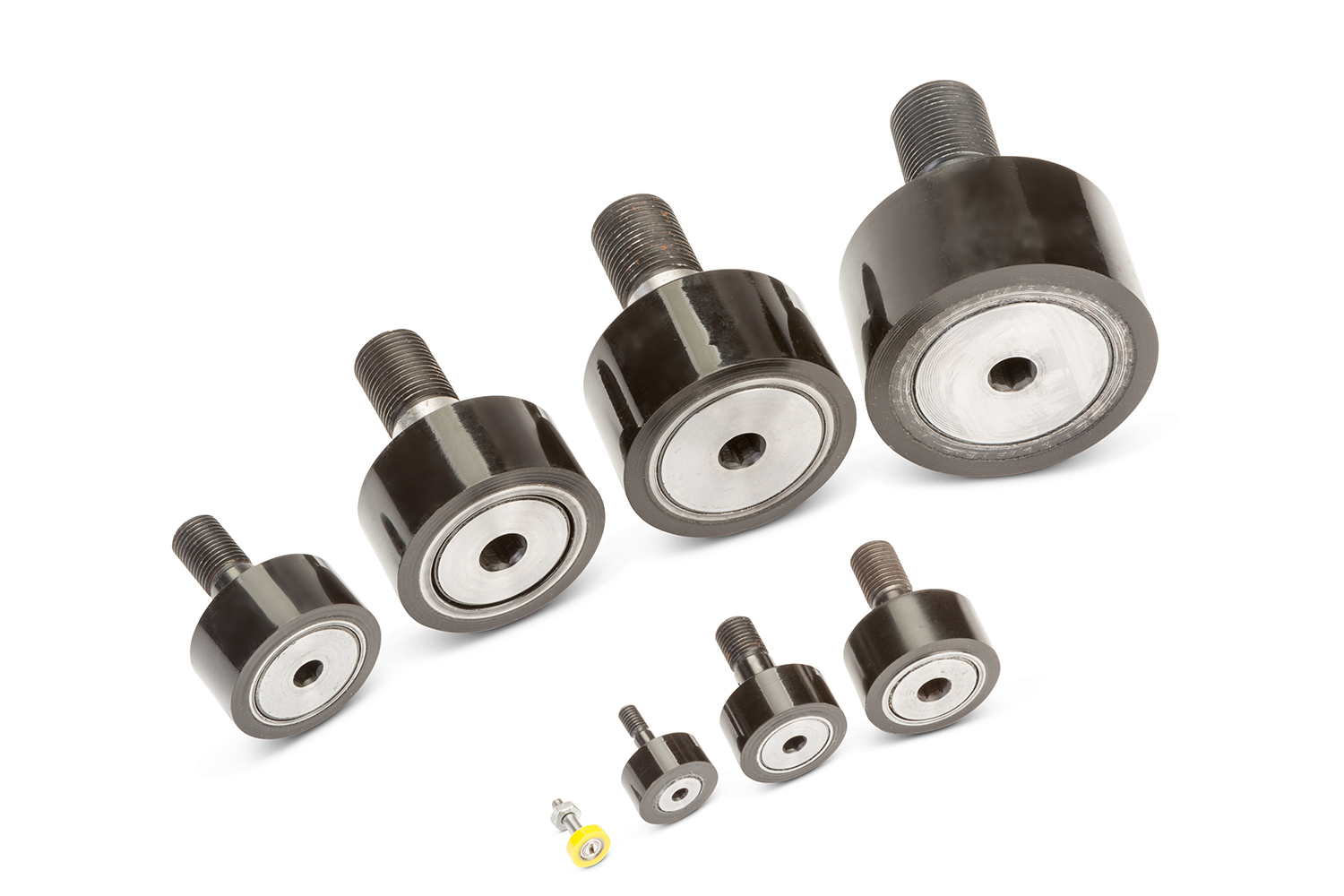
What are the signs that indicate a need for cam roller replacement or maintenance, and how can they be diagnosed?
Proper maintenance and timely replacement of cam rollers are essential for ensuring their optimal performance and longevity. Several signs indicate the need for cam roller replacement or maintenance, and diagnosing these signs can help identify potential issues. Here are some common signs and diagnostic methods:
- Abnormal Noise: Unusual or excessive noise during the operation of cam rollers can indicate problems. Grinding, squeaking, or rattling sounds may suggest issues such as worn bearings, misalignment, or insufficient lubrication. Conduct a thorough inspection and listen for any abnormal noise while the cam rollers are in motion.
- Irregular Motion: If the cam rollers exhibit irregular or jerky motion instead of smooth and consistent rolling, it may indicate problems. This can be caused by misalignment, damaged cam profiles, worn bearings, or debris accumulation. Observe the motion of the cam rollers carefully to detect any irregularities or inconsistencies.
- Inconsistent Tracking: Cam rollers should provide accurate and consistent tracking of objects or components along the designated path. If there are deviations or errors in the tracking, it may indicate misalignment, worn cam profiles, damaged rollers, or track irregularities. Monitor the tracking performance of the cam rollers and check for any inconsistencies or deviations from the desired path.
- Excessive Wear: Visual inspection of the cam rollers can reveal signs of excessive wear. Check for signs such as worn or flattened surfaces, pitting, cracks, or deformation. Excessive wear can occur due to high loads, misalignment, inadequate lubrication, or prolonged usage. Regularly inspect the cam rollers for any visible signs of wear or damage.
- Uneven Load Distribution: Improper load distribution across the cam rollers can lead to premature wear or failure. Inspect the cam rollers and associated components for any signs of uneven loading, such as uneven wear patterns, excessive wear on specific rollers, or track distortions. Uneven load distribution may result from misalignment, damaged components, or improper installation.
- Increased Friction: Excessive friction during the rolling motion of cam rollers can impair their performance and lead to accelerated wear. Monitor the rolling motion and check for signs of increased friction, such as resistance, overheating, or uneven movement. Excessive friction can be caused by misalignment, inadequate lubrication, debris accumulation, or worn components.
- Loss of Efficiency: A decrease in the efficiency of the cam roller system can indicate underlying issues. If the system requires more power, shows reduced speed, or exhibits decreased accuracy compared to its normal operation, it may indicate problems with the cam rollers. Monitor the system’s performance and compare it with the expected efficiency to identify any loss in performance.
When diagnosing these signs, it is important to follow manufacturer guidelines and recommended maintenance procedures. Diagnostic methods may include visual inspection, listening for abnormal sounds, measuring performance parameters, checking alignment, conducting lubrication analysis, or consulting with qualified technicians or maintenance professionals.
Regular maintenance and inspection schedules should be established to monitor the condition of cam rollers. By identifying signs of wear, misalignment, or other issues early on, timely maintenance or replacement can be performed to prevent further damage, maintain optimal performance, and extend the lifespan of the cam roller system.
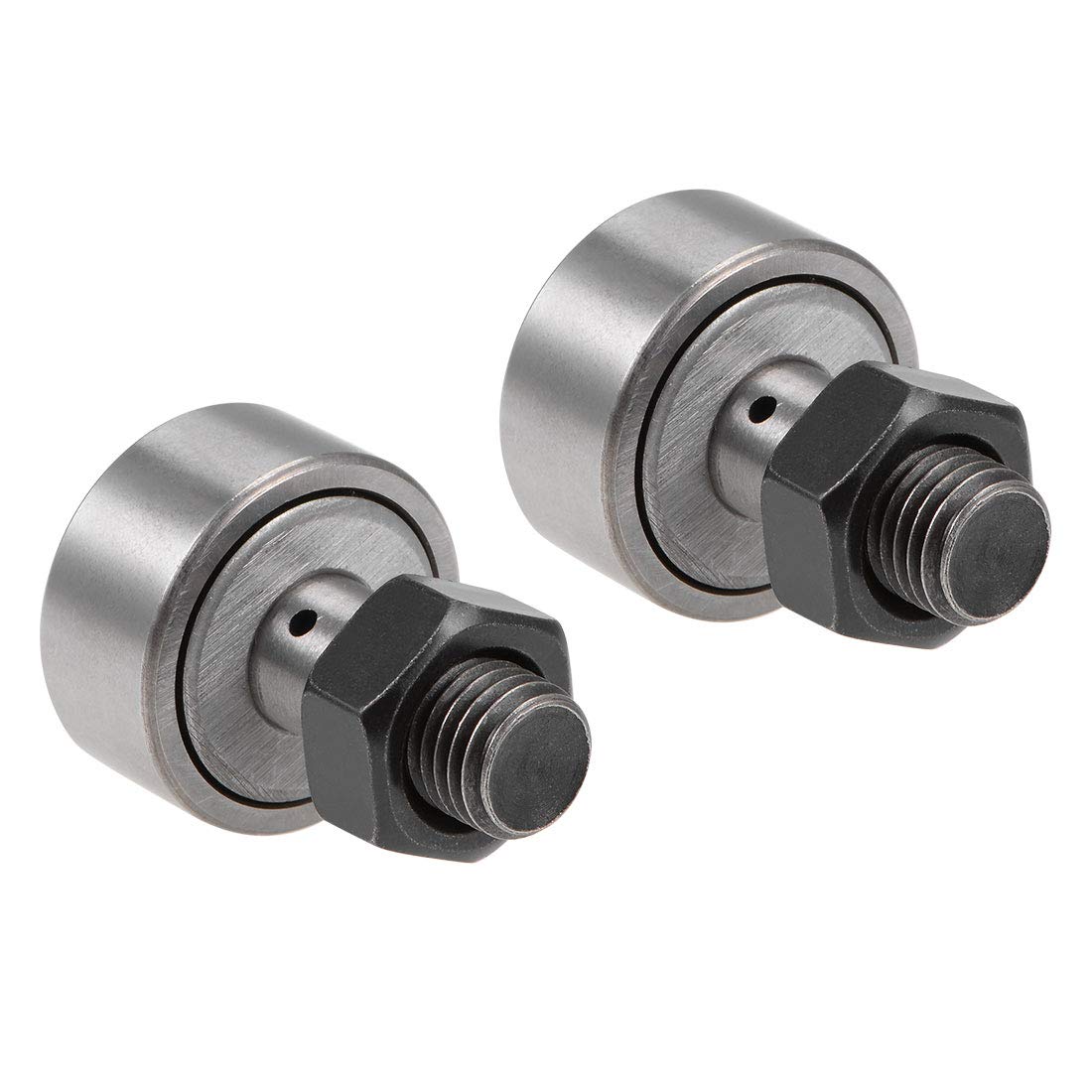
How does the choice of materials impact the performance of cam rollers in different environments?
The choice of materials significantly impacts the performance of cam rollers, especially when it comes to their operation in different environments. The selection of appropriate materials ensures the durability, reliability, and efficiency of cam rollers, while also ensuring they can withstand the specific conditions and challenges posed by different environments. Here’s a detailed explanation of how the choice of materials impacts the performance of cam rollers in different environments:
- Corrosive Environments: In corrosive environments where cam rollers may come into contact with chemicals, moisture, or other corrosive agents, the choice of materials is critical to prevent corrosion and maintain performance. Materials such as stainless steel or corrosion-resistant coatings like zinc plating or epoxy coatings are commonly used to protect cam rollers from corrosion, ensuring their longevity and reliable operation.
- High-Temperature Environments: In high-temperature environments, the choice of materials for cam rollers is crucial to ensure dimensional stability and resistance to heat-induced degradation. Heat-resistant materials such as high-temperature alloys or ceramics are employed to withstand elevated temperatures without compromising performance or structural integrity.
- Low-Temperature Environments: In low-temperature environments, materials used for cam rollers should retain their mechanical properties and flexibility even at extremely low temperatures. Some materials, such as certain grades of stainless steel or special polymers like PTFE (polytetrafluoroethylene), exhibit excellent low-temperature performance and are suitable for cam rollers operating in cold environments.
- High-Speed Applications: In high-speed applications where cam rollers experience rapid rotational speeds, material selection is crucial to ensure reliable and safe operation. High-performance materials with excellent wear resistance, low friction coefficients, and high strength are preferred to withstand the stresses and demands of high-speed rotation without premature wear or failure.
- High-Load Applications: In applications where cam rollers experience heavy loads, the choice of materials is essential to ensure sufficient load-carrying capacity and resistance to deformation or fatigue. Materials with high strength, hardness, and toughness, such as hardened steels or bearing-grade alloys, are commonly used to withstand the high loads and prevent premature wear or failure under heavy load conditions.
- Cleanroom Environments: In cleanroom environments where strict cleanliness and contamination control are necessary, the choice of materials for cam rollers is critical. Materials that are low in particle generation, have low outgassing properties, and can withstand frequent cleaning and sterilization procedures are preferred to maintain the cleanliness and integrity of the cleanroom environment.
- Food and Beverage Industry: In the food and beverage industry, cam rollers may need to comply with specific food safety regulations and requirements. Materials that are FDA-approved, food-grade, and resistant to chemicals or cleaning agents commonly used in the industry are selected to ensure the hygienic operation of cam rollers in food processing, packaging, or handling applications.
By carefully considering the environmental conditions and requirements of different applications, manufacturers can select the appropriate materials for cam rollers to optimize their performance and longevity. Material choices should take into account factors such as corrosion resistance, temperature resistance, speed capability, load capacity, cleanliness, and compliance with industry-specific regulations.
In summary, the choice of materials has a significant impact on the performance of cam rollers in different environments. The selection of appropriate materials ensures resistance to corrosion, high or low temperatures, enables high-speed or high-load operation, facilitates cleanliness in cleanroom environments, and meets specific requirements of industries like food and beverage. By choosing the right materials, cam rollers can deliver reliable, efficient, and long-lasting performance in diverse operating conditions.
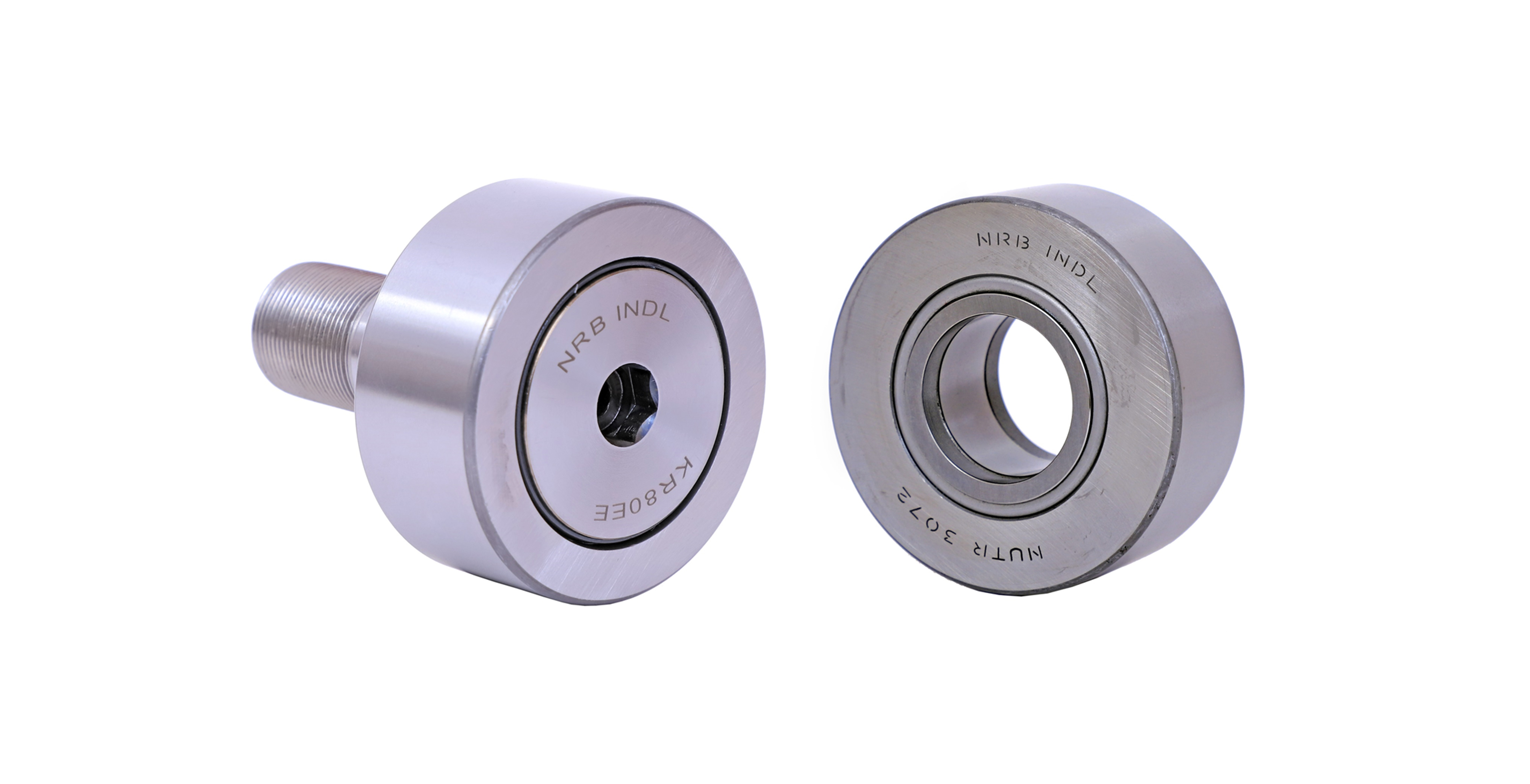
In what industries or scenarios are cam rollers commonly employed?
Cam rollers, also known as cam followers or track rollers, find extensive usage in various industries and scenarios due to their versatile capabilities. These specialized roller bearings are employed in applications that require motion transmission, guidance, support, load handling, and compensation for misalignment. Here’s a detailed explanation of the industries and scenarios where cam rollers are commonly employed:
- Automotive Industry: Cam rollers play a vital role in the automotive industry. They are used in engines to control valve timing, ensuring precise opening and closing of valves. Cam rollers are also utilized in suspension systems, where they guide the movement of suspension arms and provide support.
- Material Handling and Conveyor Systems: Cam rollers are extensively employed in material handling and conveyor systems. They guide the movement of belts, chains, or rollers, ensuring smooth and controlled transportation of goods. Cam rollers provide support and help maintain proper alignment, contributing to efficient material handling operations.
- Printing and Packaging Machinery: In printing and packaging machinery, cam rollers are commonly utilized. They are used to control tension and guide the movement of printing substrates or packaging materials. Cam rollers ensure consistent and accurate positioning of materials, enabling high-quality printing and precise packaging.
- Textile Industry: Cam rollers have significant applications in the textile industry. They are employed in textile machinery to control the feeding and positioning of fabrics. Cam rollers contribute to the precise movement and tension control of fabrics during various textile processes.
- Construction and Heavy Machinery: Cam rollers are extensively used in construction machinery and heavy equipment. They provide support and handle heavy loads in applications such as excavators, cranes, and loaders. Cam rollers ensure smooth operation and reliable load-bearing capabilities in demanding construction environments.
- Industrial Automation: Cam rollers find wide usage in industrial automation systems. They are employed in robotics, assembly lines, and automated machinery to transmit motion, guide components, and handle loads. Cam rollers contribute to the precise movement and positioning of components in automated processes.
- Aerospace and Defense: Cam rollers have applications in the aerospace and defense industries. They are utilized in aircraft landing gear systems, missile guidance mechanisms, and other critical mechanical systems. Cam rollers provide reliable motion transmission, support, and load handling capabilities in aerospace and defense applications.
These are just a few examples of the industries and scenarios where cam rollers are commonly employed. Their versatility and reliability make them suitable for a wide range of applications that require precise motion control, load handling, and guidance. The specific design, size, and material of cam rollers are selected based on the requirements of each industry or scenario.
In summary, cam rollers find extensive usage in industries such as automotive, material handling, printing and packaging, textile, construction, industrial automation, aerospace, and defense. They are employed in scenarios that require motion transmission, guidance, support, load handling, and compensation for misalignment. Cam rollers contribute to the efficient and reliable operation of mechanical systems across diverse industries and applications.


editor by CX 2024-04-11