Product Description
Product Description
The wide cab design offers a good field of vision andnatural light, and can facilitate comfortable and flexibleoperation.
The machine features an ergonomically designedoperation panel with a prominent button layout. The cab isequipped with a synchronised gearbox that reducescontrol force.
A special drive axle is used for the roller to providepowerful traction.
The standard configuration comes with an imported open gear pump and motorfeaturing a long service life, stable operation and high compaction quality.
The machines use a ZheJiang low-noise, water-cooled diesel engine that adheres toNational Level ll emission standards. The maintenance-free batteries ensure easystart-up and normal operation even in low-temperature environments.
Hydraulic transmission, hydraulic vibration/oscillation and steering combine to offer unsurpassed reliability.
Both front and rear drums are equipped with scrapers and sprinkler devices.
Excellent drum edge visibility during operation allows for easy compaction of road curbs.
Optional components include a cab wheel, split cam wheel and an air-conditioned cab.
Detailed Photos
|
Item |
Unit |
XP263 |
|
|
Maximum operating mass |
kg |
26300 |
|
|
Compaction width |
mm |
2360 |
|
|
Overlapping of tyres |
mm |
65 |
|
|
Ground pressure |
kPa |
200-470 |
|
|
Minimum turning radius |
mm |
7620 |
|
|
Swing quantity of front wheel |
mm |
50 |
|
|
Minimum ground clearance |
mm |
300 |
|
|
Theoretical gradeability |
% |
20 |
|
|
Wheel base |
mm |
3840 |
|
|
Travel speed |
Gear I |
km/h |
0-8 |
|
|
Gear II |
km/h |
0-17 |
|
Engine |
Type |
– |
SC7H180.2G3 |
|
|
Rated power |
kw |
132 |
|
|
Rated speed |
r/min |
1800 |
|
|
Rated fuel consumption rate |
g/kw.h |
≤233 |
|
Tyre specification |
– |
13/80-20 |
|
|
Tyre tread pattern |
– |
Smooth tread |
|
|
Number of tyres |
– |
Front4 rear 5 |
|
|
Length(standard water sprinkler) |
mm |
4925 |
|
|
Length(standard oil sprinkler) |
mm |
5015 |
|
|
Width |
mm |
2530 |
|
|
Height |
mm |
3470 |
|
|
Diesel tank volume |
L |
170 |
|
|
Water tank volume |
L |
650 |
|
Product Parameters
Company Profile
/* January 22, 2571 19:08:37 */!function(){function s(e,r){var a,o={};try{e&&e.split(“,”).forEach(function(e,t){e&&(a=e.match(/(.*?):(.*)$/))&&1
| After-sales Service: | Provided |
|---|---|
| Warranty: | 1 Year |
| Type: | Road Roller |
| Working Method: | Wheeled |
| Axle: | Biaxial Dual-Drum |
| Grinding Wheel Type: | Tire Grind |
| Customization: |
Available
|
|
|---|
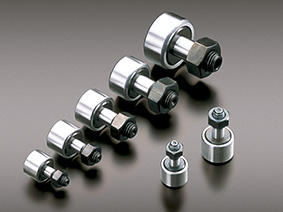
How do cam rollers contribute to the adaptability and versatility of tracking systems in various settings?
Cam rollers play a significant role in enhancing the adaptability and versatility of tracking systems across various settings. Their design and functionality enable them to meet the diverse requirements of different applications. Here’s a detailed explanation of how cam rollers contribute to the adaptability and versatility of tracking systems:
- Multiple Track Configurations: Cam rollers can be utilized in various track configurations, such as linear tracks, curved tracks, or complex multi-axis tracks. This flexibility allows tracking systems to adapt to different motion patterns and trajectories required by different applications. Whether it’s a straight-line motion, circular path, or customized multi-axis motion, cam rollers can be configured to accommodate a wide range of tracking requirements.
- Adjustable Cam Profiles: The design of cam rollers allows for adjustable cam profiles. Cam profiles determine the motion characteristics of the tracking system, including acceleration, deceleration, and dwell periods. By modifying the cam profiles, cam rollers can be customized to suit specific application needs. This adjustability enhances the adaptability of tracking systems, enabling them to handle different speed profiles, motion sequences, or tracking patterns.
- Modular and Scalable Design: Cam rollers are often designed with a modular and scalable approach, allowing for easy integration into different systems and the ability to scale up or down based on application requirements. They can be combined with other components, such as motors, gearboxes, or sensors, to create a complete tracking system. This modular design facilitates the adaptability and versatility of tracking systems, enabling customization and quick reconfiguration as per changing needs.
- Wide Range of Load Capacity: Cam rollers are available in various sizes and configurations, offering a wide range of load capacities. From lightweight applications to heavy-duty industrial settings, cam rollers can handle different loads and forces. This versatility allows tracking systems to adapt to diverse payload requirements, making them suitable for applications ranging from small-scale automation to large-scale material handling.
- Compatibility with Different Environments: Cam rollers are designed to operate in various environmental conditions. They can withstand factors like temperature variations, dust, moisture, and contaminants commonly found in industrial or outdoor settings. This compatibility with different environments enhances the adaptability of tracking systems, enabling their deployment in diverse industries such as manufacturing, logistics, automotive, and aerospace.
- Integration with Control Systems: Cam rollers can be seamlessly integrated with electronic or computer-controlled components, such as sensors, actuators, or programmable logic controllers (PLCs). This integration allows for precise control, synchronization, and automation of tracking systems. By incorporating control systems, cam rollers can adapt to dynamic operating conditions, respond to real-time feedback, and enable advanced tracking functionalities.
- Compatibility with Various Object Shapes and Sizes: Cam rollers are designed to accommodate a wide range of object shapes, sizes, and materials. They can track objects of different geometries, from flat panels to irregularly shaped components. This compatibility with various object characteristics enhances the versatility of tracking systems, enabling them to handle diverse workpieces, products, or materials.
The adaptability and versatility of tracking systems are significantly enhanced by the use of cam rollers. Their ability to work with different track configurations, adjust cam profiles, modular design, load capacity, environmental compatibility, integration with control systems, and compatibility with various object shapes and sizes makes them a valuable component in a wide range of applications, providing adaptability, flexibility, and versatility to tracking systems in diverse settings.
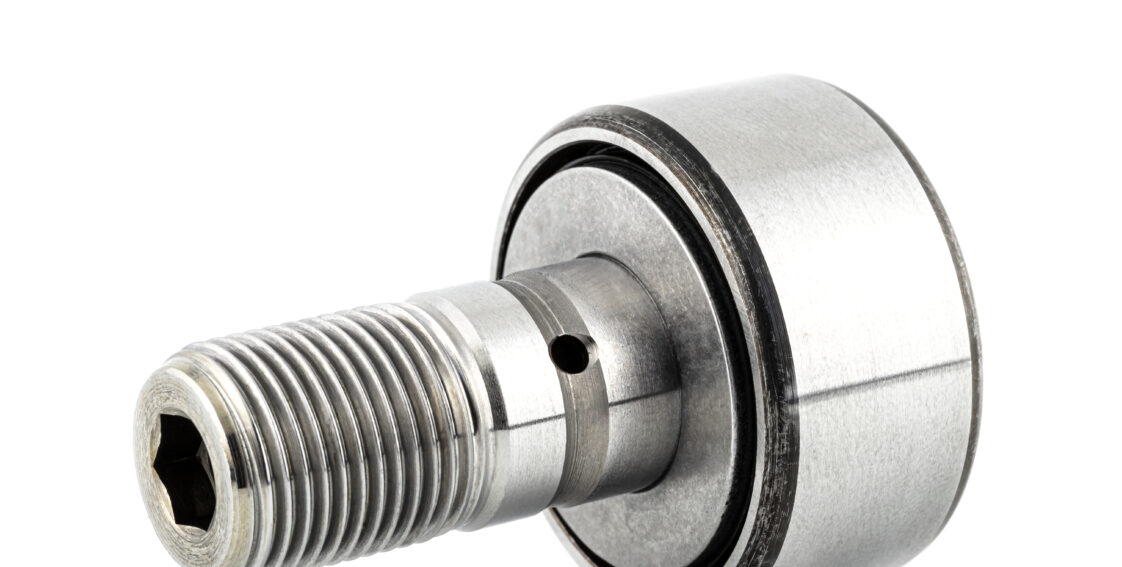
How do cam rollers contribute to precise and controlled motion in machinery?
Cam rollers play a significant role in ensuring precise and controlled motion in various machinery applications. Their design and functionality contribute to accurate tracking, smooth operation, and controlled movement. Here’s a detailed explanation of how cam rollers contribute to precise and controlled motion in machinery:
- Cam Profile Following: Cam rollers are specifically designed to follow the profile of a cam or track. The outer ring of the cam roller is shaped to match the contour of the cam surface. As the cam rotates or moves, the cam roller maintains contact with the cam profile, ensuring precise tracking and controlled motion along the desired path. This cam profile following capability enables machinery to achieve accurate and repeatable motion.
- Rolling Motion: Cam rollers utilize rolling motion to traverse the cam profile. The rolling motion reduces friction compared to sliding or rubbing contact, resulting in smoother operation and improved energy efficiency. The rolling action of cam rollers allows for controlled movement with minimal resistance, ensuring precise motion and minimizing wear and tear.
- Load Distribution: Cam rollers are designed to distribute the applied load evenly among the rolling elements. This load distribution capability minimizes stress concentrations and prevents excessive wear on individual rollers. By distributing the load effectively, cam rollers contribute to maintaining precise and controlled motion without compromising performance or causing premature failure.
- High Rigidity: Cam rollers are constructed to provide high rigidity, which is vital for precise and controlled motion. The materials and design of cam rollers ensure minimal deformation or flexing during operation, allowing for accurate positioning and controlled movement. The high rigidity of cam rollers enables machinery to maintain tight tolerances and achieve the desired motion without unwanted deviations.
- Roller Retainers: Some cam roller designs incorporate roller retainers or cages that hold the rolling elements in place and maintain proper spacing. These retainers prevent roller skewing and ensure controlled movement by guiding the rollers along the cam profile. The use of roller retainers enhances precision and eliminates the risk of roller misalignment, contributing to precise and controlled motion in machinery.
- Precision Bearings: Cam rollers are equipped with precision bearings that provide smooth rolling motion and reduce internal friction. These bearings are designed to handle both radial and axial loads, ensuring stable and controlled motion in various directions. The precision bearings in cam rollers contribute to the overall precision and controlled movement of the machinery.
By incorporating these design features and functionalities, cam rollers contribute to precise and controlled motion in machinery. They enable accurate tracking of cam profiles, utilize rolling motion with reduced friction, distribute loads evenly, provide high rigidity, use roller retainers for proper alignment, and utilize precision bearings for smooth operation. All these factors work together to ensure precise positioning, controlled movement, and reliable performance in a wide range of machinery applications.
In summary, cam rollers contribute to precise and controlled motion in machinery through their cam profile following capability, rolling motion, load distribution, high rigidity, roller retainers, and precision bearings. These features enable machinery to achieve accurate positioning, smooth operation, and controlled movement, resulting in improved performance and productivity.
Can you describe the factors to consider when selecting cam rollers for specific applications?
When selecting cam rollers for specific applications, several factors need to be considered to ensure optimal performance, reliability, and longevity. The suitability of a cam roller for a particular application depends on various parameters and requirements. Here’s a detailed explanation of the factors to consider when selecting cam rollers:
- Load Capacity: One of the primary considerations is the anticipated load capacity of the cam roller. The cam roller should have sufficient load-carrying capacity to support the expected radial and axial loads in the application. It is important to consider both static and dynamic loads, as well as any potential shock or impact loads that may occur.
- Speed and Acceleration: The speed at which the cam roller will operate, as well as the acceleration and deceleration rates, should be taken into account. High-speed applications require cam rollers that can accommodate the associated centrifugal forces and provide smooth rolling motion without excessive heat generation. Additionally, the roller should be able to handle the acceleration and deceleration forces without compromising performance.
- Precision Requirements: Depending on the application, precision requirements may vary. Some applications demand high positioning accuracy and minimal deviation, while others may have looser tolerances. It is important to select a cam roller that can meet the desired precision requirements, ensuring accurate tracking and motion control.
- Operating Conditions: Consider the operating conditions in which the cam roller will be used. Factors such as temperature, humidity, dust, and corrosive environments can impact the performance and longevity of the cam roller. Choose a cam roller that is designed to withstand the specific operating conditions of the application, ensuring durability and reliability.
- Lubrication and Maintenance: Proper lubrication is crucial for the smooth operation and longevity of cam rollers. Consider the lubrication requirements of the cam roller and whether it has provisions for effective lubrication. Additionally, assess the maintenance needs and accessibility of the cam roller for periodic inspection, lubrication replenishment, and potential replacement.
- Mounting and Attachment: Evaluate the mounting and attachment options available for the cam roller. Different applications may require stud-type cam rollers or yoke-type cam rollers, depending on the attachment method and space constraints. Ensure that the chosen cam roller can be securely mounted and aligned with the moving parts of the system.
- Cost and Availability: Finally, consider the cost and availability of the cam roller. Evaluate the overall cost-effectiveness of the selected cam roller, taking into account its performance, longevity, and maintenance requirements. Additionally, ensure that the chosen cam roller is readily available from reliable suppliers to avoid delays or compatibility issues.
By considering these factors, you can select the most suitable cam roller for a specific application, ensuring optimal performance, reliability, and longevity. It is advisable to consult with manufacturers or industry experts to obtain guidance and recommendations tailored to your specific requirements.
In summary, the factors to consider when selecting cam rollers for specific applications include load capacity, speed and acceleration requirements, precision needs, operating conditions, lubrication and maintenance considerations, mounting and attachment options, as well as cost and availability. Assessing these factors will help in choosing the appropriate cam roller that meets the unique demands of the application.


editor by CX 2024-04-10