Product Description
Excavator Top Roller for Excavator Parts Construction Machinery
| Products information |
| Product name | Excavator/ Bulldozer Track Roller, Excavator Undercarriage Parts |
| Material | 35MnB/40Mn2 |
| Color | Yellow or Black or Customized |
| Technique | Forging/ Casting |
| Finish | Smooth |
| Surface Hardness/Hardness Depth | HRC52-59/8-12mm |
| Packing | standard export packed |
| Port | HangZhou, Xihu (West Lake) Dis. port |
| Time of delivery | Within 15 days after contact and negotiation |
| Payment terms | T/T, L/C, Western Union and so on |
Excavator Top Roller for Excavator Parts Construction Machinery
| Related Products |
Excavator Top Roller for Excavator Parts Construction Machinery
| Package & Delivery |
1.Package:
Cartons, wooden cases, pallets, etc., according to customer requirements.
2.Delivery type:
A.International Courier, Such as DHL, TNT,UPS or Fedex.
B.By air/By sea/By land.
Excavator Top Roller for Excavator Parts Construction Machinery
| About us |
HangZhou CHINAMFG Machinery Co., Ltd. Located in HangZhou city, ZheJiang Province, China. We are a manufacturer
and exporter, specialized in the research, development and production of undercarriage parts for tractor
excavators and bulldozers, all kinds of generator set and engine, refrigeration compressors and spray
polyurea coating materials.
Professional providing in a wide range of construction machine spare parts for crawler excavator,bulldozer,crane:
| 1.Undercarriage Parts | carrier roller, track roller, idler, sprocket, | |||
| adjuster cylinder assy, track shoe, track link, | ||||
| bucket, bucket bushi, bucket teeth, teeth adapter, bolt and nut etc. | ||||
| 2.Engine parts | cylinder block, cylinder head, liner kits, con rod, engine bearing, | |||
| in/ex valve, valve seat, gasket kit, head gaskit, crankshaft, | ||||
| cam shaft,water pump, fuel pump, oil pump, turbocharger, | ||||
| nozzle, oil cooler assy, manifold exhaust etc | ||||
| 3.Seal kits | boom/arm/bucket cylinder seal kit, hydraulic pump seal kit, | |||
| swing motor seal kit,travel motor seal kit, control valve seal kit, | ||||
| adjuster seal kit, center joint seal kit,gear pump seal kit, | ||||
| regulator seal kit, breaker seal kit, bulldozer seal kit etc. | ||||
| 4.Hydraulic parts | hydraulic pump, swing motor assy, travel motor assy, gearbox, | |||
| main control valve, foot valve, operating od assy, pilot pump, | ||||
| regulator, center joint, relief valve, bearing, hydraulic spare parts, gear, etc. | ||||
| 5.Filter | oil filter, fuel filter, hydraulic filter, air filter, oil water seperator etc. | |||
| 6.Gear parts | travel,swing motor:sun gear,shaft,carrier assy,housing,hub,cover. | |||
Excavator Top Roller for Excavator Parts Construction Machinery
| FAQ |
1. How can I be sure the part will fit my excavators and bulldozers?
Give us correct model number/machine serial number/ any numbers on the parts itself. Or measure the parts give us dimension or drawing.
2.How about the payment terms?
We usually accept T/T or L/C. other terms also could be negotiated.
3.What is your delivery time?
FOB HangZhou or any Chinese port : 30-40 days . If parts are in stock , our delivery time is only 7-10 days.
4.What are the modes of transportation?
We respect the choice of customers, will also provide advice to customers, the specific mode of transportation can be negotiated.
5.What about Quality Control?
We have a perfect QC system for the perfect products. A team who will detect the product quality and specification piece carefully, monitoring every production process until packing is complete, to ensure product safety into container.
If you are interested in our products, please feel free to contact us to discuss. /* March 10, 2571 17:59:20 */!function(){function s(e,r){var a,o={};try{e&&e.split(“,”).forEach(function(e,t){e&&(a=e.match(/(.*?):(.*)$/))&&1
| After-sales Service: | Online Support |
|---|---|
| Warranty: | 12 Month |
| Type: | Crawler Excavator, Excavator Bucket |
| Application: | Excavator |
| Certification: | CE, ISO9001: 2000, CE, ISO9001: 2000 |
| Condition: | New |
| Customization: |
Available
|
|
|---|
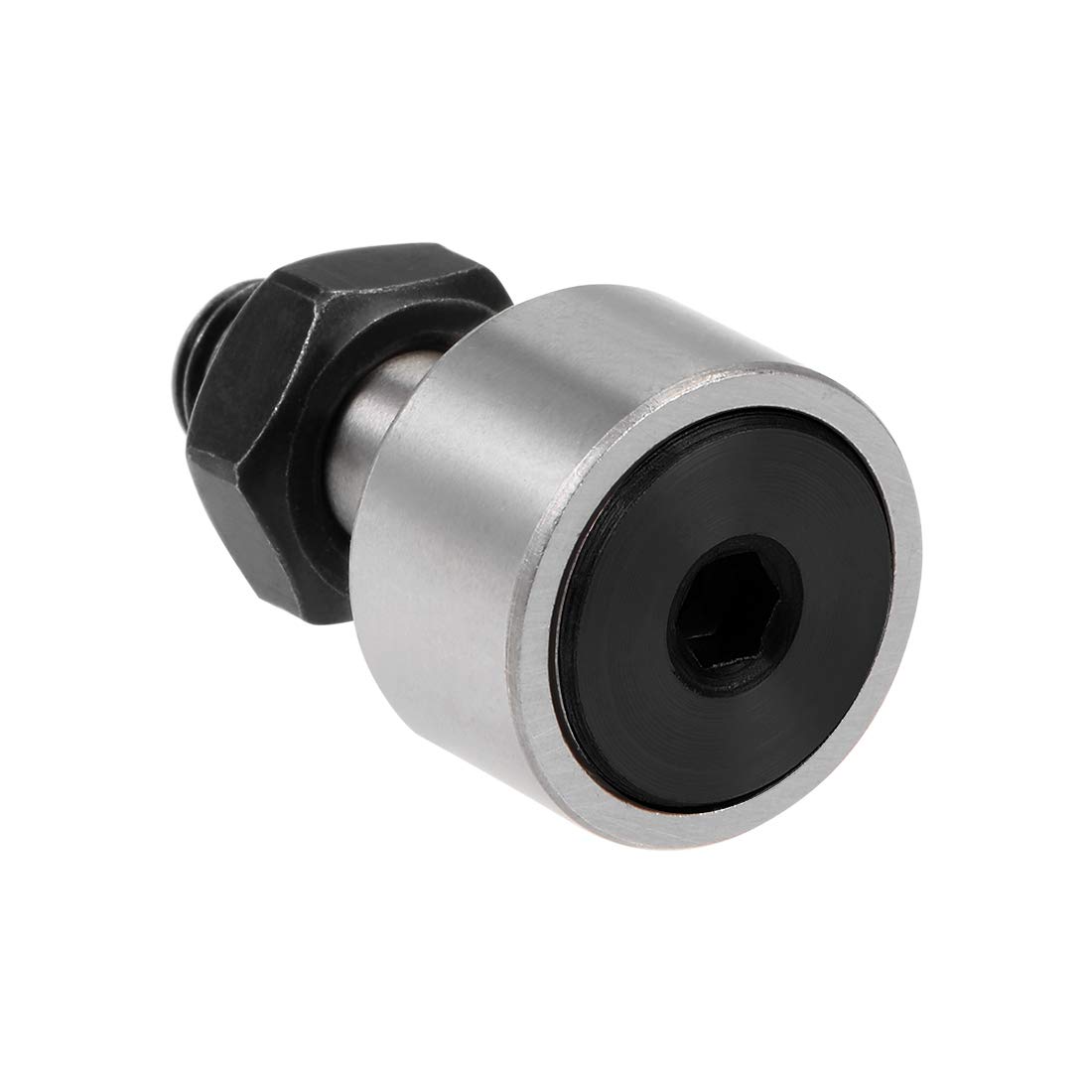
Can you provide insights into the importance of proper installation and alignment of cam rollers?
Proper installation and alignment of cam rollers are crucial for achieving optimal performance, longevity, and reliability of the tracking system. The installation and alignment process directly impacts the functionality, efficiency, and lifespan of the cam rollers. Here are some key insights into the importance of proper installation and alignment:
- Accurate Tracking: Proper installation ensures that the cam rollers are positioned correctly and aligned with the cam profile or track. Accurate alignment is essential for achieving precise and consistent tracking of objects or components. Even a slight misalignment can result in deviations from the desired path, causing positioning errors, reduced accuracy, and compromised system performance.
- Smooth Motion: Correct installation and alignment play a significant role in enabling smooth and uninterrupted rolling motion of the cam rollers. Misalignment or improper installation can introduce friction, uneven loading, or binding, which can lead to jerky or erratic motion. On the other hand, proper alignment facilitates smooth and efficient rolling, minimizing energy losses, reducing wear, and ensuring seamless operation.
- Load Distribution: Proper alignment helps distribute the load evenly among the cam rollers and the associated components. Uniform load distribution prevents excessive stress on individual rollers, bearings, or tracks, reducing the risk of premature wear, fatigue, or failure. By ensuring proper load distribution, proper installation and alignment contribute to the longevity and reliability of the cam roller system.
- Reduced Wear and Damage: Correct installation and alignment minimize friction and wear between the cam rollers and the track. Improper alignment can cause rubbing, scraping, or uneven contact, leading to accelerated wear, surface damage, or deformation of the rollers or track. Proper alignment reduces these issues, extending the lifespan of the cam rollers and reducing the frequency of maintenance or replacements.
- Optimized Performance: Properly installed and aligned cam rollers maximize the performance of the tracking system. When the cam rollers are aligned correctly, they can operate at their intended design parameters, ensuring efficient power transmission, accurate tracking, and smooth motion. This optimization leads to improved productivity, reduced downtime, and enhanced overall system performance.
- Alignment Sensitivity: Cam roller systems are often sensitive to misalignment due to their precise nature. Small deviations in alignment can have a significant impact on the performance and functionality of the system. Therefore, it is crucial to follow manufacturer guidelines and recommended alignment procedures during installation to ensure proper alignment and avoid potential issues.
- Ease of Maintenance: Proper installation and alignment facilitate easier maintenance and servicing of the cam rollers. When the cam rollers are correctly aligned, it becomes simpler to access and replace individual components, such as bearings or rollers, during routine maintenance or repairs. This reduces downtime, simplifies maintenance procedures, and ensures efficient upkeep of the tracking system.
In summary, proper installation and alignment of cam rollers are essential for achieving accurate tracking, smooth motion, load distribution, reduced wear, optimized performance, and ease of maintenance. By following proper installation procedures and ensuring precise alignment, the longevity, efficiency, and reliability of the cam roller system can be maximized, leading to improved overall system performance and longevity.
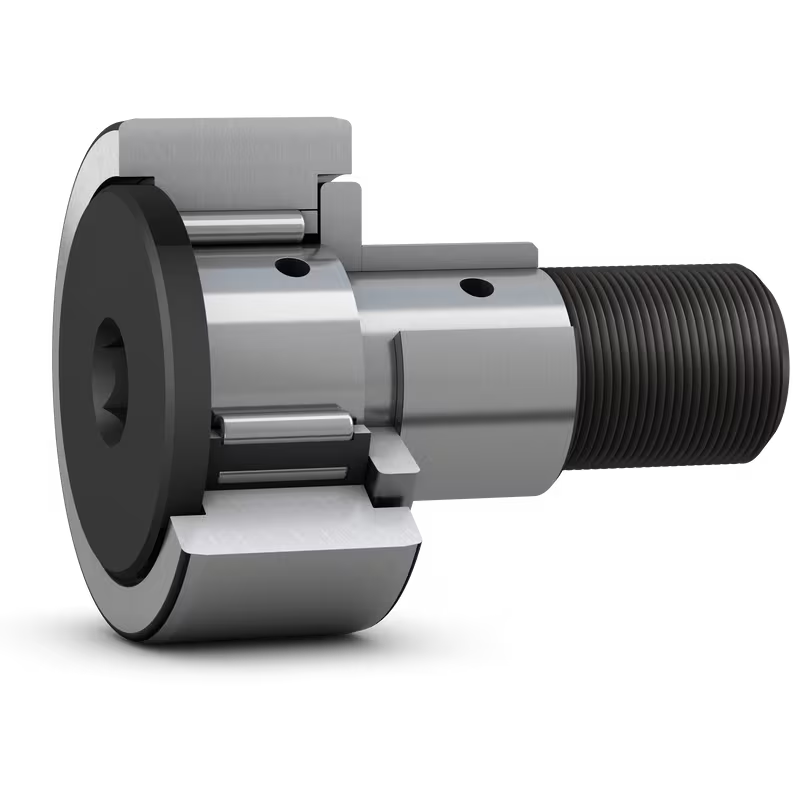
What maintenance practices are recommended for cam rollers to ensure optimal functionality?
Proper maintenance is essential for ensuring the optimal functionality and longevity of cam rollers. Regular maintenance practices help prevent premature wear, minimize downtime, and maintain the performance of cam rollers in various applications. Here are some recommended maintenance practices for cam rollers:
- Cleaning: Regularly clean the cam rollers to remove dust, dirt, and debris that can accumulate on the rolling surfaces. Use a soft brush or compressed air to clean the cam rollers, ensuring that no contaminants hinder their smooth operation.
- Lubrication: Apply appropriate lubrication to the cam rollers to reduce friction and wear. Use lubricants recommended by the manufacturer, ensuring they are compatible with the materials and operating conditions of the cam rollers. Regularly check the lubrication levels and replenish as needed.
- Inspection: Perform routine visual inspections of the cam rollers to check for any signs of wear, damage, or misalignment. Look for excessive play, deformation, or any irregularities that may affect their performance. If any issues are identified, take appropriate measures such as adjustments, repairs, or replacements.
- Tightening: Check the fasteners, such as bolts or screws, that secure the cam rollers to the equipment or mounting surfaces. Ensure that they are properly tightened to prevent loosening during operation, which could lead to misalignment or reduced performance.
- Alignment: Check the alignment of the cam rollers periodically to ensure they are properly aligned with the cam or track they are following. Misalignment can lead to increased wear, reduced accuracy, and decreased lifespan of the cam rollers. Adjust the alignment as necessary to maintain optimal functionality.
- Load Distribution: Monitor the load distribution among the rolling elements of the cam rollers. Ensure that the load is evenly distributed to prevent overloading or excessive stress on individual rolling elements. Uneven load distribution can lead to premature wear or failure of the cam rollers.
- Environmental Considerations: Consider the specific environmental conditions in which the cam rollers operate. Take appropriate measures to protect the cam rollers from corrosive substances, extreme temperatures, excessive moisture, or other environmental factors that may affect their performance. Use protective coatings, seals, or covers as needed.
- Replacement: Cam rollers have a finite lifespan, and eventually, they will need to be replaced. Monitor the wear and performance of the cam rollers over time. When signs of significant wear, damage, or reduced functionality are observed, plan for timely replacement to avoid unexpected failures or disruptions in the operation.
It is important to note that maintenance practices may vary depending on the specific design, materials, and operating conditions of the cam rollers. Therefore, it is recommended to refer to the manufacturer’s guidelines and recommendations for maintenance specific to the cam rollers being used.
By following these maintenance practices and adopting a preventive maintenance approach, operators can ensure the optimal functionality, reliability, and longevity of cam rollers in various applications.
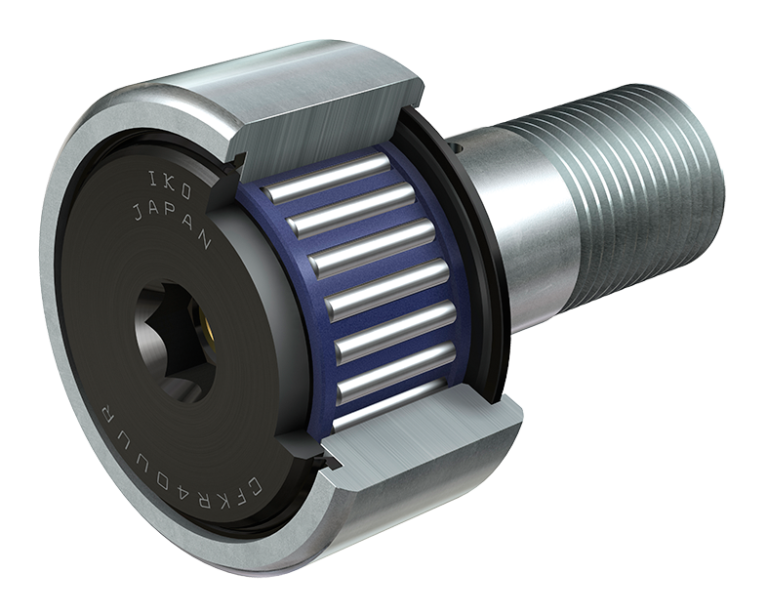
How does the design of a cam roller contribute to efficient motion and tracking?
The design of a cam roller plays a crucial role in ensuring efficient motion transmission and tracking along the surface profile of a cam or track. Various design features are incorporated to optimize performance, reliability, and smooth operation. Here’s a detailed explanation of how the design of a cam roller contributes to efficient motion and tracking:
- Bearing Element: The choice of the bearing element, such as cylindrical rollers, needle rollers, or ball bearings, is a critical design consideration. The bearing element should be selected based on the specific application requirements, including load capacity, speed, and precision. The bearing element allows for smooth rolling motion and efficient load distribution, minimizing friction and wear.
- Outer Ring Profile: The outer ring of a cam roller has a profile that matches the shape of the cam or track. This design feature ensures accurate tracking and follows the contour of the cam or track surface. The outer ring provides guidance and support to the roller, allowing it to smoothly traverse the cam profile without slipping or deviating from the desired path.
- Stud or Yoke: The stud or yoke is the component that attaches the cam roller to the moving part of the mechanical system. It is designed to provide secure attachment and proper alignment. The stud or yoke may have additional features such as threaded ends, lubrication provisions, or seals to enhance functionality and ease of maintenance.
- Roller Retainers: In some cam roller designs, roller retainers are used to maintain proper spacing and alignment of the rollers within the outer ring. These retainers prevent roller skewing and ensure even load distribution among the rollers. By maintaining precise roller alignment, efficient motion transmission and tracking are achieved.
- Sealing and Lubrication: Proper sealing and lubrication are essential for the efficient functioning of cam rollers. Seals prevent contaminants from entering the bearing and protect against lubricant leakage. Lubrication reduces friction and wear, ensuring smooth rolling motion. The design of cam rollers may include sealing elements and lubrication provisions to facilitate effective sealing and lubrication maintenance.
The careful consideration of these design factors contributes to efficient motion and tracking in cam rollers. When the cam roller is in operation, these design features enable it to smoothly follow the profile of the cam or track, ensuring accurate and reliable motion transmission. Efficient tracking minimizes energy losses, reduces wear, and enhances the overall performance of the mechanical system.
It is important to note that the design of a cam roller should be selected based on the specific requirements of the application. Factors such as load capacity, speed, operating conditions, and precision requirements should be taken into account to ensure optimal performance and longevity of the cam roller in the mechanical system.
In summary, the design of a cam roller, including the bearing element, outer ring profile, stud or yoke, roller retainers, sealing, and lubrication, contributes to efficient motion transmission and tracking. These design features enable smooth rolling motion, accurate tracking along the cam profile, and reliable performance in various mechanical systems.


editor by CX 2024-02-25