Product Description
MV.032.003/04 Feuchtreibzylinder Roller Dampening Oscillator
Heibelberg Offset Printing Machinery
Length 105cm
Diameter 85mm
HangZhou XiangChen Printing Equipment Co., Ltd is a professional printing machinery spare parts supplier, established in 2015, with 3 branch companies now.
We specialize in Heidelberg, Man Roland and Komori Printing Machine Spare Parts including original circuit boards, computer boards, PC boards, pneumatic cylinders, motors, sensors, valves, cam followers, bearings, gripper fingers, rollers, gripper bars, bellows and so on. Most replacement spare parts are available as well.
As the experience began to accumulate in the printing industry, we could provide you good-quality products, competitive price and considerate customer services. We have made long-term business relationships with many oversea customers due to our good supply ability and good reputation in the international market.
We hold the business philosophy of ” Service-oriented, CHINAMFG cooperation” And the ” Customers first” principle to provide you with sophisticated products and considerate services.
Q1: What is your scope of business?
A: We specialize in the export of offset printing machinery spare parts for Heidelberg, Man Roland and Komori. The main products include circuit board, pneumatic cylinder, bearing, sensor, gear, valve, motor, belt, gripper, gripper bar, cam follower and so on.
Q2: What is your means of packing?
A: Generally, we pack the goods in carton or wooden case and use bubble pad to protect it. Also, we can pack the goods as your specific request. The detailed package pictures and videos will be sent to you before shipping.
Q3. What type of payment do you accept?
A: L/C, T/T, Western Union, Paypal, MoneyGram.
Q4: How about the delivery time?
A: Most spare parts are in stock. Generally, we will arrange shipment within 3 days after your payment. The specific delivery time depends on your order and your location mostly. Please rest assured that shipment will be arranged immediately on receipt of your payment.
Q5. Will you test the product before delivery?
A: We promise that all of the products are in good condition through the strict quality control and they will be tested repeatedly and checked carefully before delivery.
Q6: How many years have you engaged in printing industry?
A: HangZhou CHINAMFG Chen Printing Equipment Co, Ltd is founded by CHINAMFG who has devoted himself to printing industry for more than 15 years. As the professional experience began to accumulate in this field, he established the company in 2015 to deal in offset printing machine spare parts.
Q7: Why choose us?
1.You will benefit a lot from our high-quality products, competitive price and considerate customer services. We have made long-term cooperation with many oversea customers.
2. Due to our steady and sincere way of conducting business, our company enjoys good reputation among the local wholesalers in domestic market.
3. There is a professional engineer team in our company who served in the leading domestic printing industry for many years. They will offer you the best spare parts replacement solution and repair services according to your specific demands.
4. We are willing to enter into business relations with you on the basis of equality, mutual benefit and exchanging what 1 has for what we need.
Q8. How can I visit your company?
A: Our company is located in Classic Print Mechanical Market, HangZhou, China. It is half an hour away from HangZhou Xihu (West Lake) Dis. International Airport. Welcome to your Visit.
/* March 10, 2571 17:59:20 */!function(){function s(e,r){var a,o={};try{e&&e.split(“,”).forEach(function(e,t){e&&(a=e.match(/(.*?):(.*)$/))&&1
| Certification: | SGS |
|---|---|
| Usage: | For Heidelberg Printer |
| Category: | Roller |
| Name: | Power Supply |
| Fit Machine Mod: | Gto52 |
| Feature: | China & New , Original & New , Original & Used |
| Customization: |
Available
|
|
|---|
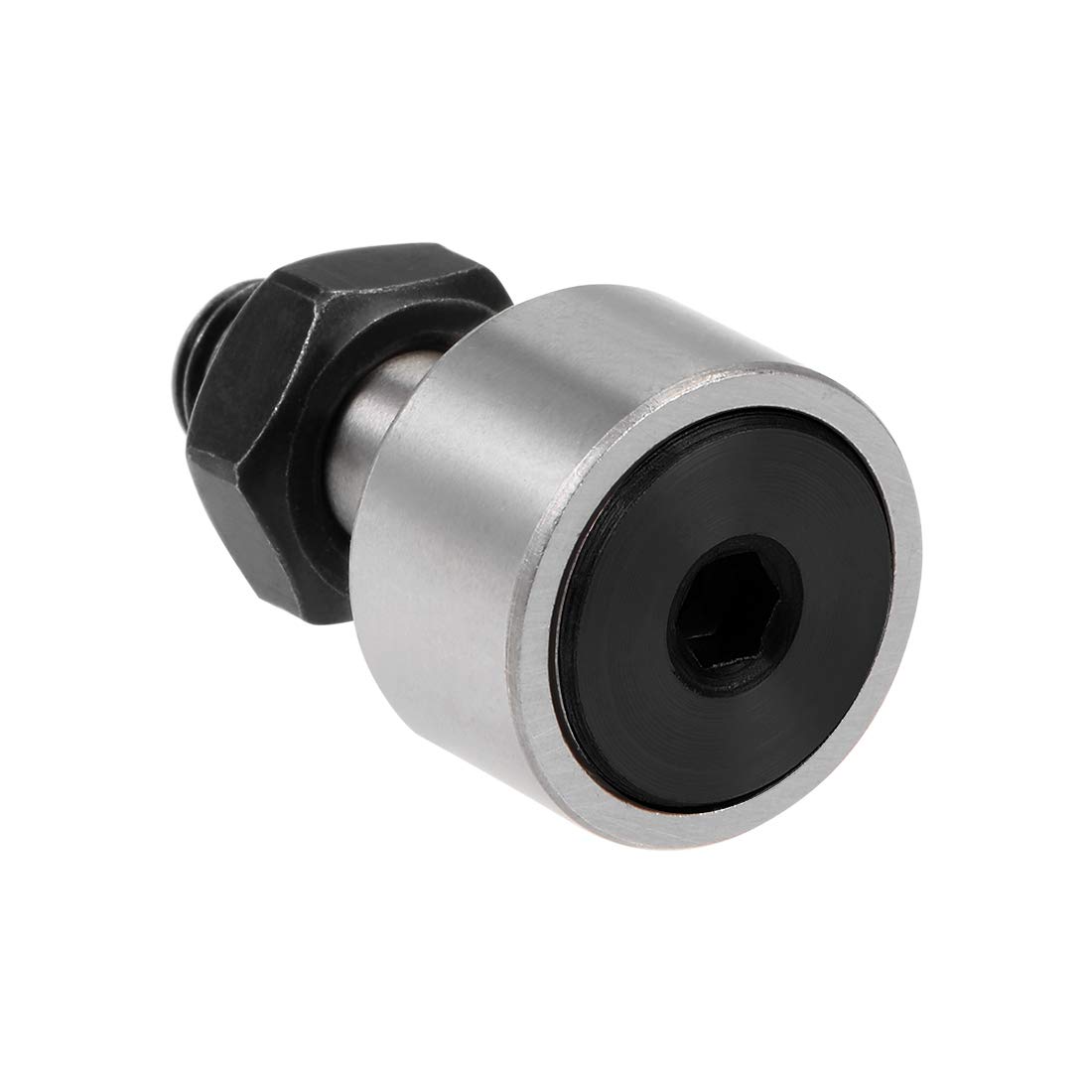
Can you provide insights into the importance of proper installation and alignment of cam rollers?
Proper installation and alignment of cam rollers are crucial for achieving optimal performance, longevity, and reliability of the tracking system. The installation and alignment process directly impacts the functionality, efficiency, and lifespan of the cam rollers. Here are some key insights into the importance of proper installation and alignment:
- Accurate Tracking: Proper installation ensures that the cam rollers are positioned correctly and aligned with the cam profile or track. Accurate alignment is essential for achieving precise and consistent tracking of objects or components. Even a slight misalignment can result in deviations from the desired path, causing positioning errors, reduced accuracy, and compromised system performance.
- Smooth Motion: Correct installation and alignment play a significant role in enabling smooth and uninterrupted rolling motion of the cam rollers. Misalignment or improper installation can introduce friction, uneven loading, or binding, which can lead to jerky or erratic motion. On the other hand, proper alignment facilitates smooth and efficient rolling, minimizing energy losses, reducing wear, and ensuring seamless operation.
- Load Distribution: Proper alignment helps distribute the load evenly among the cam rollers and the associated components. Uniform load distribution prevents excessive stress on individual rollers, bearings, or tracks, reducing the risk of premature wear, fatigue, or failure. By ensuring proper load distribution, proper installation and alignment contribute to the longevity and reliability of the cam roller system.
- Reduced Wear and Damage: Correct installation and alignment minimize friction and wear between the cam rollers and the track. Improper alignment can cause rubbing, scraping, or uneven contact, leading to accelerated wear, surface damage, or deformation of the rollers or track. Proper alignment reduces these issues, extending the lifespan of the cam rollers and reducing the frequency of maintenance or replacements.
- Optimized Performance: Properly installed and aligned cam rollers maximize the performance of the tracking system. When the cam rollers are aligned correctly, they can operate at their intended design parameters, ensuring efficient power transmission, accurate tracking, and smooth motion. This optimization leads to improved productivity, reduced downtime, and enhanced overall system performance.
- Alignment Sensitivity: Cam roller systems are often sensitive to misalignment due to their precise nature. Small deviations in alignment can have a significant impact on the performance and functionality of the system. Therefore, it is crucial to follow manufacturer guidelines and recommended alignment procedures during installation to ensure proper alignment and avoid potential issues.
- Ease of Maintenance: Proper installation and alignment facilitate easier maintenance and servicing of the cam rollers. When the cam rollers are correctly aligned, it becomes simpler to access and replace individual components, such as bearings or rollers, during routine maintenance or repairs. This reduces downtime, simplifies maintenance procedures, and ensures efficient upkeep of the tracking system.
In summary, proper installation and alignment of cam rollers are essential for achieving accurate tracking, smooth motion, load distribution, reduced wear, optimized performance, and ease of maintenance. By following proper installation procedures and ensuring precise alignment, the longevity, efficiency, and reliability of the cam roller system can be maximized, leading to improved overall system performance and longevity.
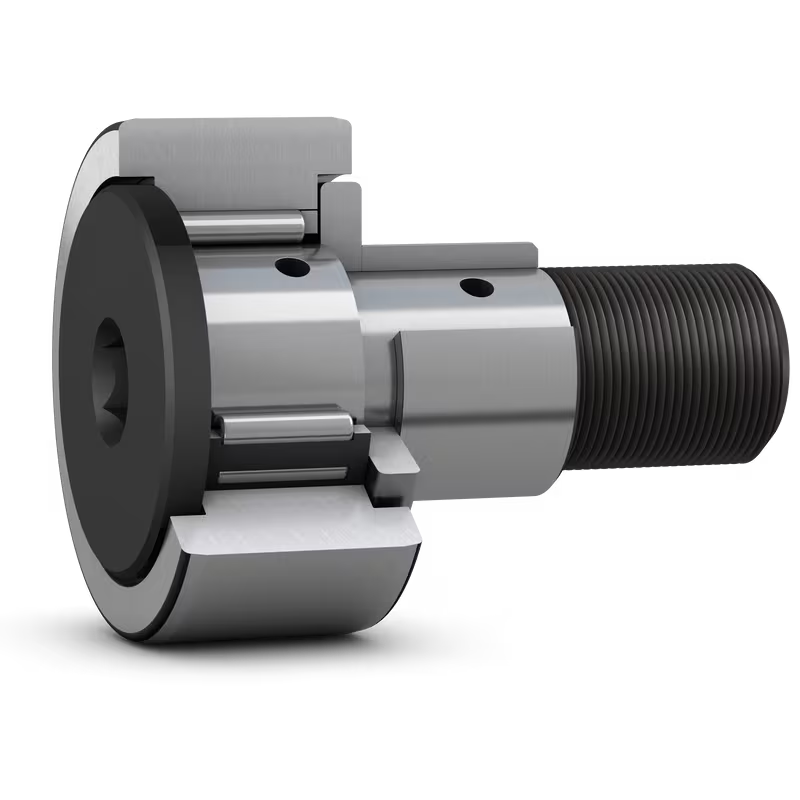
What maintenance practices are recommended for cam rollers to ensure optimal functionality?
Proper maintenance is essential for ensuring the optimal functionality and longevity of cam rollers. Regular maintenance practices help prevent premature wear, minimize downtime, and maintain the performance of cam rollers in various applications. Here are some recommended maintenance practices for cam rollers:
- Cleaning: Regularly clean the cam rollers to remove dust, dirt, and debris that can accumulate on the rolling surfaces. Use a soft brush or compressed air to clean the cam rollers, ensuring that no contaminants hinder their smooth operation.
- Lubrication: Apply appropriate lubrication to the cam rollers to reduce friction and wear. Use lubricants recommended by the manufacturer, ensuring they are compatible with the materials and operating conditions of the cam rollers. Regularly check the lubrication levels and replenish as needed.
- Inspection: Perform routine visual inspections of the cam rollers to check for any signs of wear, damage, or misalignment. Look for excessive play, deformation, or any irregularities that may affect their performance. If any issues are identified, take appropriate measures such as adjustments, repairs, or replacements.
- Tightening: Check the fasteners, such as bolts or screws, that secure the cam rollers to the equipment or mounting surfaces. Ensure that they are properly tightened to prevent loosening during operation, which could lead to misalignment or reduced performance.
- Alignment: Check the alignment of the cam rollers periodically to ensure they are properly aligned with the cam or track they are following. Misalignment can lead to increased wear, reduced accuracy, and decreased lifespan of the cam rollers. Adjust the alignment as necessary to maintain optimal functionality.
- Load Distribution: Monitor the load distribution among the rolling elements of the cam rollers. Ensure that the load is evenly distributed to prevent overloading or excessive stress on individual rolling elements. Uneven load distribution can lead to premature wear or failure of the cam rollers.
- Environmental Considerations: Consider the specific environmental conditions in which the cam rollers operate. Take appropriate measures to protect the cam rollers from corrosive substances, extreme temperatures, excessive moisture, or other environmental factors that may affect their performance. Use protective coatings, seals, or covers as needed.
- Replacement: Cam rollers have a finite lifespan, and eventually, they will need to be replaced. Monitor the wear and performance of the cam rollers over time. When signs of significant wear, damage, or reduced functionality are observed, plan for timely replacement to avoid unexpected failures or disruptions in the operation.
It is important to note that maintenance practices may vary depending on the specific design, materials, and operating conditions of the cam rollers. Therefore, it is recommended to refer to the manufacturer’s guidelines and recommendations for maintenance specific to the cam rollers being used.
By following these maintenance practices and adopting a preventive maintenance approach, operators can ensure the optimal functionality, reliability, and longevity of cam rollers in various applications.
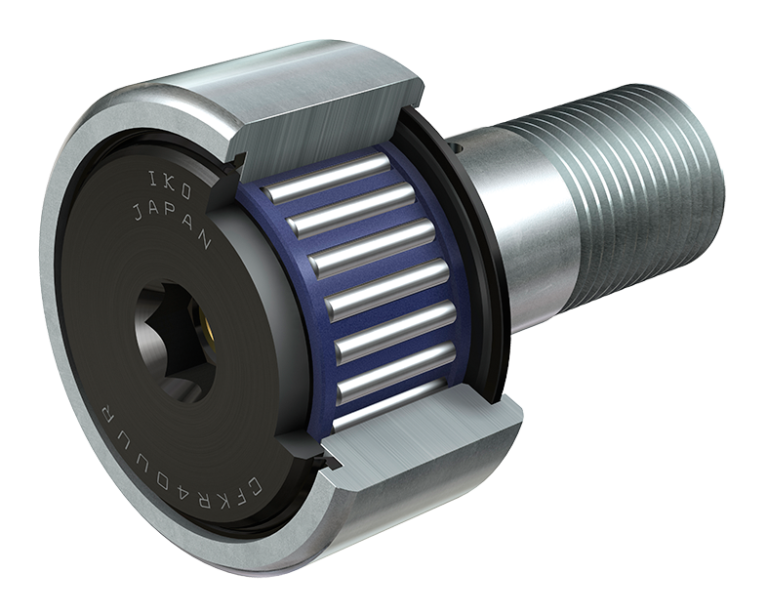
How does the design of a cam roller contribute to efficient motion and tracking?
The design of a cam roller plays a crucial role in ensuring efficient motion transmission and tracking along the surface profile of a cam or track. Various design features are incorporated to optimize performance, reliability, and smooth operation. Here’s a detailed explanation of how the design of a cam roller contributes to efficient motion and tracking:
- Bearing Element: The choice of the bearing element, such as cylindrical rollers, needle rollers, or ball bearings, is a critical design consideration. The bearing element should be selected based on the specific application requirements, including load capacity, speed, and precision. The bearing element allows for smooth rolling motion and efficient load distribution, minimizing friction and wear.
- Outer Ring Profile: The outer ring of a cam roller has a profile that matches the shape of the cam or track. This design feature ensures accurate tracking and follows the contour of the cam or track surface. The outer ring provides guidance and support to the roller, allowing it to smoothly traverse the cam profile without slipping or deviating from the desired path.
- Stud or Yoke: The stud or yoke is the component that attaches the cam roller to the moving part of the mechanical system. It is designed to provide secure attachment and proper alignment. The stud or yoke may have additional features such as threaded ends, lubrication provisions, or seals to enhance functionality and ease of maintenance.
- Roller Retainers: In some cam roller designs, roller retainers are used to maintain proper spacing and alignment of the rollers within the outer ring. These retainers prevent roller skewing and ensure even load distribution among the rollers. By maintaining precise roller alignment, efficient motion transmission and tracking are achieved.
- Sealing and Lubrication: Proper sealing and lubrication are essential for the efficient functioning of cam rollers. Seals prevent contaminants from entering the bearing and protect against lubricant leakage. Lubrication reduces friction and wear, ensuring smooth rolling motion. The design of cam rollers may include sealing elements and lubrication provisions to facilitate effective sealing and lubrication maintenance.
The careful consideration of these design factors contributes to efficient motion and tracking in cam rollers. When the cam roller is in operation, these design features enable it to smoothly follow the profile of the cam or track, ensuring accurate and reliable motion transmission. Efficient tracking minimizes energy losses, reduces wear, and enhances the overall performance of the mechanical system.
It is important to note that the design of a cam roller should be selected based on the specific requirements of the application. Factors such as load capacity, speed, operating conditions, and precision requirements should be taken into account to ensure optimal performance and longevity of the cam roller in the mechanical system.
In summary, the design of a cam roller, including the bearing element, outer ring profile, stud or yoke, roller retainers, sealing, and lubrication, contributes to efficient motion transmission and tracking. These design features enable smooth rolling motion, accurate tracking along the cam profile, and reliable performance in various mechanical systems.


editor by CX 2024-02-21