Product Description
ZCF BRIEF INTRODUCTION:
CHINAMFG precision technology(HangZhou) co.,ltd. is a professional manufacturer oflinearguide,linear module and ball screw etc.she is located in HangZhou city,ZheJiang ,china.the new factory covers 33333 square CHINAMFG and holds a building area of 16000 square CHINAMFG at present. with over 10 years’ effort of our whole team. and also trust and support from our respected customers. we are so lucky to become 1 strong brand in china, who make international standard products.we aim serve customers worldwidely.
Features:
1.Good CHINAMFG resistance, Long service life
This type linear guide uses harden shafts(chrome coated, hardness reach 60± 2HRC)which have 2.good abrasive
resistance. Meanwhile coated chrome has excellent anti-rust functions
3.Compact structure
Rollers installed inside 2 shafts which enable its structure compact and slim. It can be used in narrow space
| Model No. | INGB Carriage Dimensions(mm) | ||||||||||||||
| W | H1 | L | B | L1 | S | wheel no. | eccentric position |
Basic dynamic(N) | Dynamic torque(N.m) | Weight (gf/m) |
|||||
| YO | ZO | Mxo | Myo | Mzo | |||||||||||
| 15N | -3 | 44 | 12 | 60 | 26 | 26 | M5 | 3 | 2 | 490 | 460 | 10.2 | 9.2 | 9.8 | 110 |
| -4 | 80 | 4 | 1.3 | 700 | 660 | 14.5 | 13.2 | 14 | 145 | ||||||
| -5 | 100 | 5 | 1,1.4 | 980 | 920 | 20.3 | 37 | 39 | 185 | ||||||
| 15 | -3 | 46 | 12 | 52 | 32 | 36 | M5 | 3 | 2 | 490 | 460 | 13.8 | 7.4 | 7.8 | 105 |
| -4 | 68 | 4 | 1.3 | 700 | 660 | 19.8 | 21.1 | 22.4 | 140 | ||||||
| -5 | 84 | 5 | 1,1.4 | 490 | 920 | 27.7 | 44.3 | 47 | 170 | ||||||
| 20N | -3 | 47 | 12 | 80 | 38 | 30 | M6 | 3 | 2 | 700 | 980 | 29.4 | 25.4 | 18.2 | 196 |
| -4 | 106 | 4 | 1.3 | 1000 | 1400 | 42 | 72.8 | 52 | 265 | ||||||
| -5 | 132 | 5 | 1,,1.4 | 1400 | 1960 | 84.2 | 129 | 92.4 | 350 | ||||||
| 20 | -3 | 60 | 12 | 72 | 50 | 40 | M6 | 3 | 2 | 700 | 980 | 42.1 | 21.5 | 15.4 | 210 |
| -4 | 94 | 4 | 1.3 | 1000 | 1400 | 60.2 | 61.6 | 44 | 280 | ||||||
| -5 | 116 | 5 | 1,1.4 | 1400 | 1960 | 84.2 | 129 | 92.4 | 350 | ||||||
| 25 | -3 | 70 | 16.3 | 100 | 57 | 45 | M8 | 3 | 2 | 1260 | 1470 | 67.62 | 48.51 | 41.56 | 460 |
| -4 | 133 | 4 | 1.3 | 1800 | 2100 | 96.6 | 138.5 | 116.8 | 615 | ||||||
| -5 | 166 | 5 | 1,1.4 | 2520 | 2940 | 135 | 291.06 | 249.48 | 775 | ||||||
| 35 | -3 | 100 | 18 | 140 | 82 | 62 | M10 | 3 | 2 | 2800 | 2800 | 159.6 | 126 | 128 | 1100 |
| -4 | 165 | 4 | 1.3 | 4000 | 4000 | 228 | 360 | 360 | 1450 | ||||||
| -5 | 230 | 5 | 1,1.4 | 5600 | 5600 | 219.2 | 758 | 756 | 1835 | ||||||
| model no. | Assembly | INGR Rail Dimensions(mm) | ||||||||||
| H | W | W1 | H2 | dp | P | shaft dia | weight(K/M) | T | m1 | m | ||
| 15N | -3 | 32 | 44 | 32 | 18.5 | 6 | 120 | 6 | 1651 | 8 | 8 | 4.5 |
| -4 | ||||||||||||
| -5 | ||||||||||||
| 15 | -3 | 32 | 46 | 46 | 18.5 | 6 | 120 | 6 | 1764 | 8 | 8 | 4.5 |
| -4 | ||||||||||||
| -5 | ||||||||||||
| 20N | -3 | 36 | 47 | 47 | 22.5 | 6 | 120 | 6 | 2247 | 9 | 9.5 | 5.5 |
| -4 | ||||||||||||
| -5 | ||||||||||||
| 20 | -3 | 36 | 60 | 60 | 22.5 | 6 | 120 | 8 | 2744 | 9 | 9.5 | 5.5 |
| -4 | ||||||||||||
| -5 | ||||||||||||
| 25 | -3 | 44 | 70 | 70 | 26 | 7 | 120 | 10 | 3873 | 10 | 11 | 6.5 |
| -4 | ||||||||||||
| -5 | ||||||||||||
| 35 | -3 | 55 | 100 | 100 | 35 | 8.5 | 160 | 12 | 6442 | 12 | 14 | 8.5 |
| -4 | ||||||||||||
| -5 | ||||||||||||
/* March 10, 2571 17:59:20 */!function(){function s(e,r){var a,o={};try{e&&e.split(“,”).forEach(function(e,t){e&&(a=e.match(/(.*?):(.*)$/))&&1
| Logo Printing: | Without Logo Printing |
|---|---|
| Size: | Small |
| Customized: | Customized |
| Type: | Track |
| Material: | Aluminum |
| Certification: | ISO 9001:2008, CE |
| Samples: |
US$ 50/Piece
1 Piece(Min.Order) | |
|---|
| Customization: |
Available
|
|
|---|
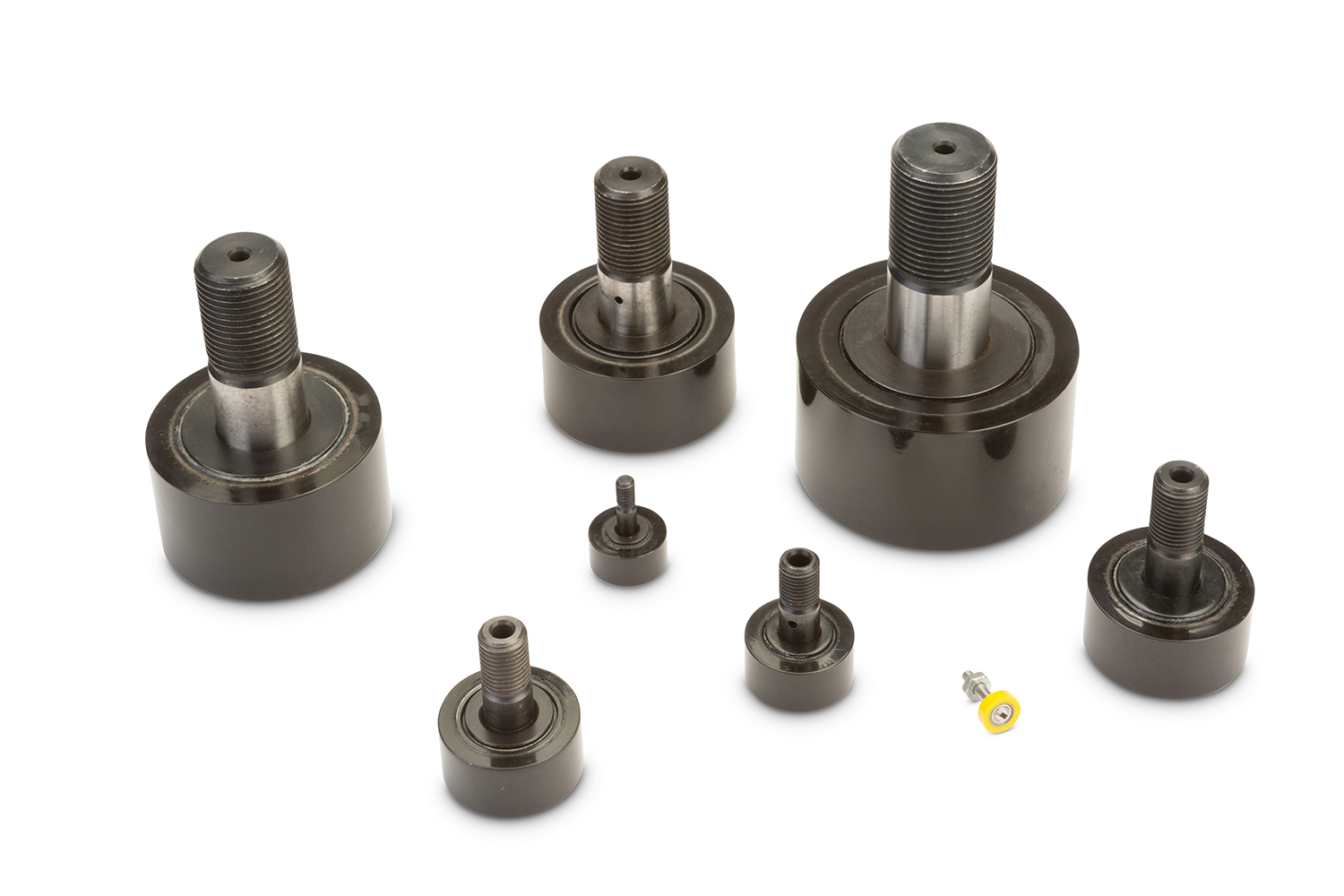
How does the choice of cam rollers affect the overall performance and reliability of tracking systems?
The choice of cam rollers plays a crucial role in determining the overall performance and reliability of tracking systems. Different factors associated with cam rollers can significantly impact the system’s functionality, efficiency, and longevity. Here’s a detailed explanation of how the choice of cam rollers affects the overall performance and reliability of tracking systems:
- Load Capacity: The load capacity of cam rollers is a critical consideration. Choosing cam rollers with an appropriate load capacity ensures that the tracking system can handle the required weight and forces without compromising performance or risking component failure. Selecting cam rollers with inadequate load capacity may lead to premature wear, excessive friction, or system instability, affecting the overall reliability and performance.
- Roller Material and Durability: Cam rollers are available in various materials, such as steel, stainless steel, or plastic. The choice of material impacts the durability, resistance to wear, and overall lifespan of cam rollers. In harsh or corrosive environments, selecting corrosion-resistant materials can enhance the reliability and longevity of the tracking system. Evaluating the operating conditions and selecting cam rollers with appropriate material properties is essential for ensuring long-term performance.
- Lubrication Requirements: Proper lubrication is crucial for the smooth operation and longevity of cam rollers. Different types of cam rollers have varying lubrication requirements, ranging from self-lubricating options to those that require regular maintenance. Consider the lubrication demands of cam rollers and ensure that they align with the operational needs and maintenance capabilities of the tracking system. Adequate lubrication reduces friction, minimizes wear, and enhances the overall reliability of the system.
- Accuracy and Precision: The choice of cam rollers can affect the accuracy and precision of the tracking system. Cam rollers with high-quality manufacturing and precision engineering contribute to smoother and more consistent motion. They provide better control over acceleration, deceleration, and dwell periods, resulting in improved tracking accuracy. Selecting cam rollers with the appropriate design and manufacturing tolerances ensures the desired level of precision in tracking applications.
- Environmental Compatibility: Different tracking systems operate in various environmental conditions, including temperature extremes, dust, moisture, or contaminants. The choice of cam rollers should consider the compatibility with the specific environment in which the tracking system will be utilized. Opting for cam rollers designed to withstand environmental factors enhances the reliability and performance of the system, preventing premature wear or damage due to environmental stressors.
- Track Configuration: Cam rollers are available in various configurations to accommodate different track types, such as linear tracks, curved tracks, or complex multi-axis tracks. Choosing cam rollers that align with the track configuration required by the application ensures optimal performance and reliability. The compatibility between the cam rollers and the track configuration affects the system’s ability to handle the desired motion patterns, trajectories, and load distribution effectively.
- Compatibility with Object Characteristics: Cam rollers should be selected based on the characteristics of the objects or components being tracked. Consider factors such as shape, size, weight, and surface properties of the objects. Choosing cam rollers that are compatible with the specific object characteristics ensures proper alignment, secure tracking, and reliable performance. Incorrect sizing or mismatched specifications may lead to tracking errors, poor contact, or even damage to the objects being tracked.
- Manufacturing Quality and Standards: The overall performance and reliability of cam rollers depend on the manufacturing quality and adherence to industry standards. Choosing cam rollers from reputable manufacturers known for their quality control processes and compliance with relevant standards ensures reliable and consistent performance. High-quality cam rollers are less prone to premature wear, misalignment, or unexpected failures, resulting in improved reliability and overall system performance.
Considering these factors and making an informed choice regarding cam rollers is essential for optimizing the performance, efficiency, and reliability of tracking systems. Thoroughly evaluating the application requirements, environmental conditions, and operational needs will help select cam rollers that are best suited for the specific tracking system, leading to enhanced performance and increased reliability.
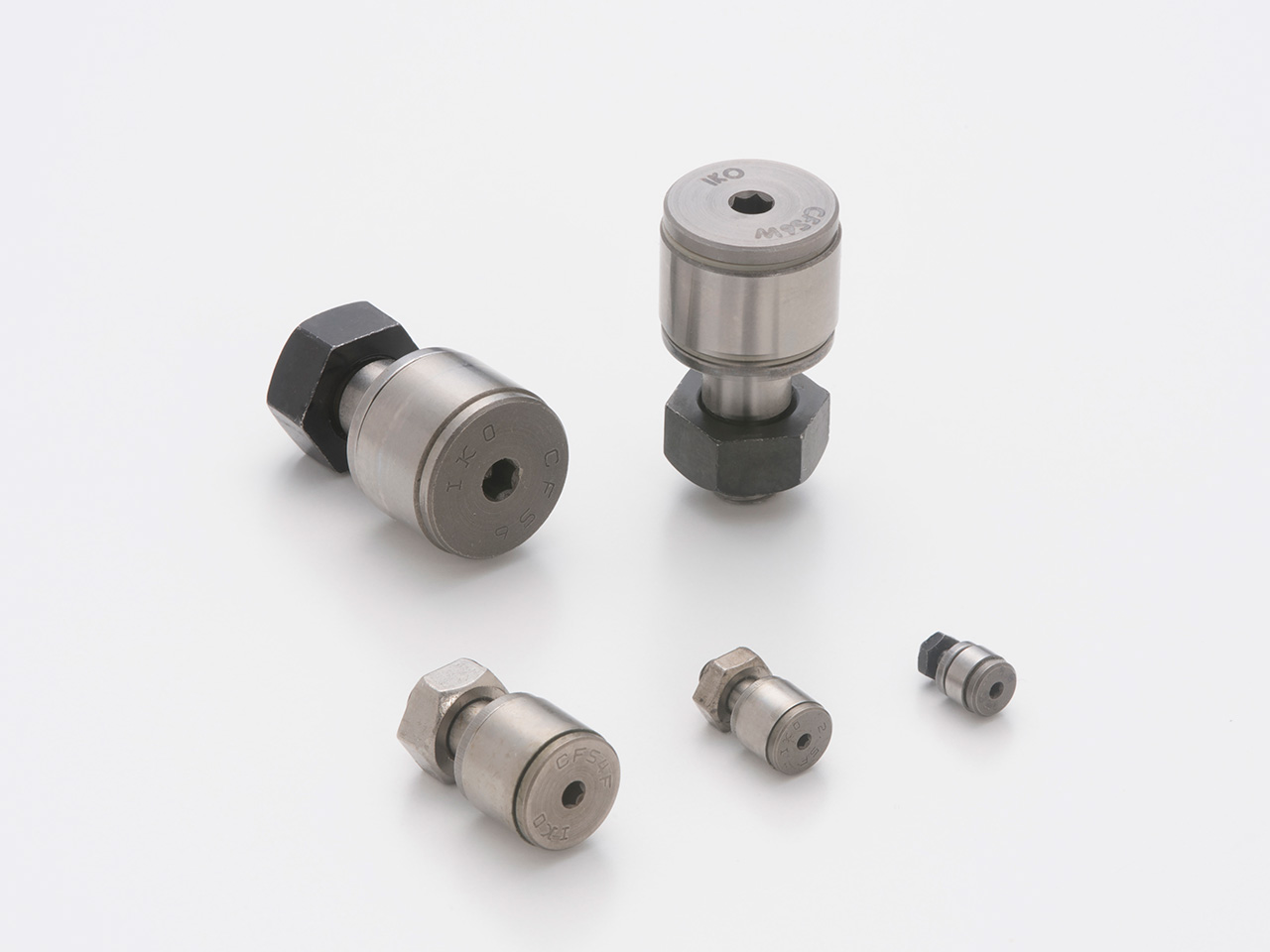
Can you provide examples of products or machinery that commonly use cam rollers?
Cam rollers are widely used in various products and machinery across different industries. Their unique design and functionalities make them suitable for applications that require precise motion, controlled tracking, and efficient operation. Here are some examples of products or machinery that commonly utilize cam rollers:
- Printing Machinery: Cam rollers are commonly found in printing machinery, such as offset printers, flexographic printers, and digital printers. They are used to precisely guide the movement of paper or printing substrates through the printing process, ensuring accurate registration and consistent print quality.
- Material Handling Systems: Cam rollers are extensively used in material handling systems, including conveyor systems, packaging equipment, and automated storage and retrieval systems (ASRS). They help in guiding and tracking the movement of items, pallets, or containers, ensuring smooth and controlled transportation within the system.
- Industrial Robots: Cam rollers play a vital role in industrial robots, particularly in robotic arms and manipulators. They facilitate precise and controlled motion, allowing the robot to perform accurate positioning, pick-and-place operations, and assembly tasks with high repeatability and reliability.
- Textile Machinery: Cam rollers are commonly utilized in textile machinery, such as weaving looms, knitting machines, and spinning machines. They assist in guiding the movement of yarns, threads, or fabrics, ensuring proper tension and alignment during the manufacturing process.
- Automotive Manufacturing: Cam rollers are employed in various stages of automotive manufacturing, including assembly lines, paint booths, and body-in-white operations. They contribute to the smooth and precise movement of car bodies, parts, or components, enabling efficient production processes.
- Packaging Machinery: Cam rollers are commonly integrated into packaging machinery, such as form-fill-seal machines, cartoners, and labeling machines. They assist in guiding the packaging materials, ensuring accurate positioning, and controlled movement during the packaging process.
- Food Processing Equipment: Cam rollers find applications in food processing equipment, including filling machines, sorting systems, and packaging lines. They aid in the smooth and precise movement of food products, containers, or packaging materials, maintaining the integrity and quality of the processed food items.
- Medical Devices: Cam rollers are utilized in medical devices and equipment, such as diagnostic machines, laboratory automation systems, and surgical robots. They contribute to the precise movement and positioning required for accurate diagnostic results, sample handling, or surgical procedures.
These examples represent just a few of the many products and machinery where cam rollers are commonly used. Their versatility, precision, and reliability make them suitable for a wide range of applications in industries like printing, material handling, robotics, textiles, automotive manufacturing, packaging, food processing, and medical devices.
In summary, cam rollers are widely employed in various products and machinery across different industries. Their usage in printing machinery, material handling systems, industrial robots, textile machinery, automotive manufacturing, packaging machinery, food processing equipment, and medical devices demonstrates their significance in achieving precise motion, controlled tracking, and efficient operation in diverse applications.
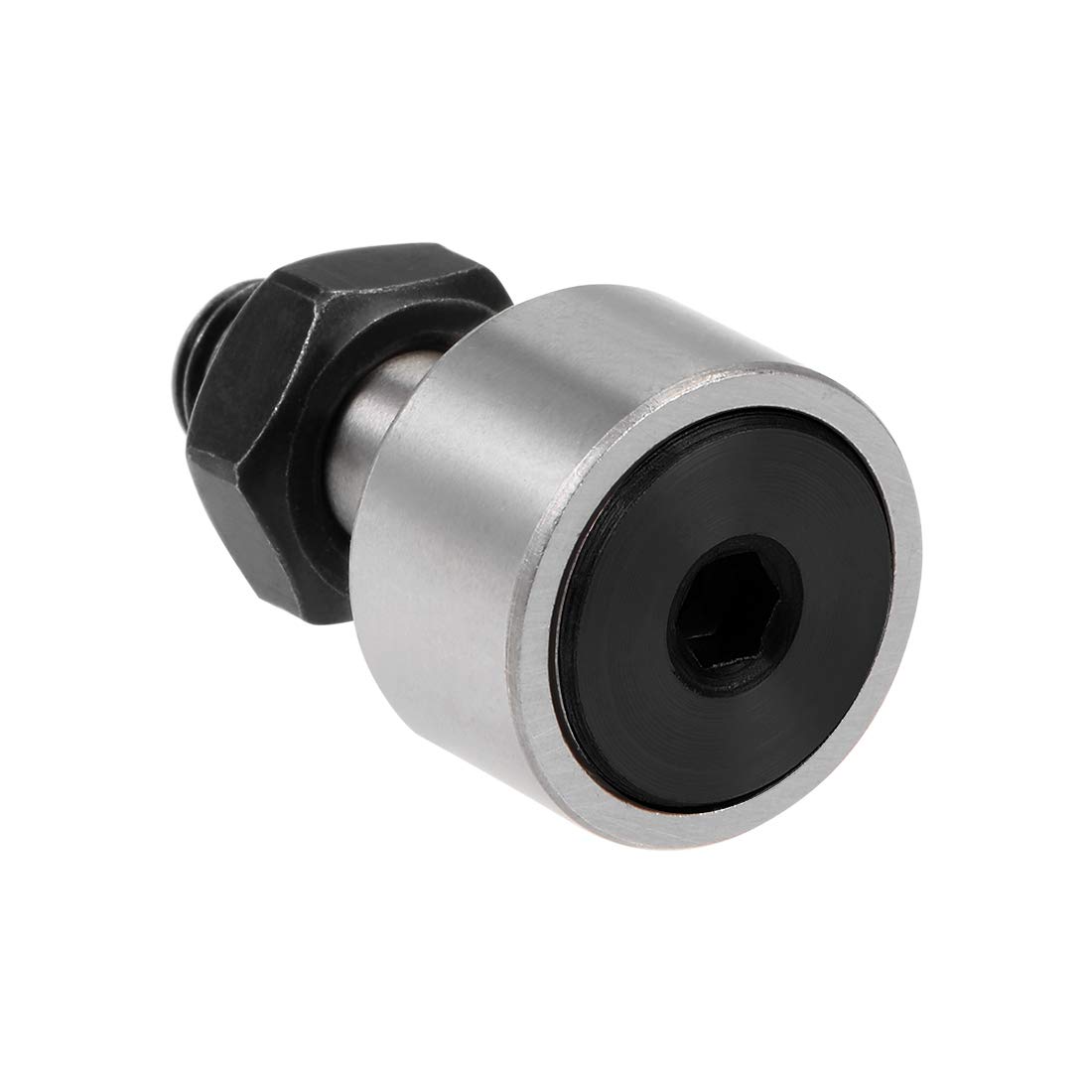
What are the different types and configurations of cam rollers available in the market?
Cam rollers, also known as cam followers or track rollers, are available in various types and configurations to suit different applications and requirements. The selection of the appropriate type and configuration depends on factors such as load capacity, speed, operating conditions, and specific application needs. Here’s a detailed explanation of the different types and configurations of cam rollers available in the market:
- Stud-Type Cam Rollers: Stud-type cam rollers have a stud or bolt that extends from the roller’s outer ring. The stud allows for secure attachment to the moving part of the mechanical system. Stud-type cam rollers are commonly used in applications that require high radial loads and moderate thrust loads, such as camshaft followers in engines or support rollers in conveyor systems.
- Yoke-Type Cam Rollers: Yoke-type cam rollers have a yoke or mounting flange that provides a broader surface area for attachment. The yoke is typically bolted or clamped to the moving component. Yoke-type cam rollers are suitable for applications with higher radial and axial loads, such as in heavy machinery or industrial automation systems.
- Full Complement Cam Followers: Full complement cam followers have a design that incorporates a maximum number of rolling elements, providing high load-carrying capacity. These cam rollers do not have a cage or roller retainer, allowing for more rollers to be included. Full complement cam followers are commonly used in applications where maximum load capacity is required, but speed and precision may be lower priority.
- Caged Cam Followers: Caged cam followers have a cage or roller retainer that separates and guides the rolling elements. The cage maintains proper spacing and alignment of the rollers. Caged cam followers offer advantages such as reduced friction, improved speed capability, and better roller control. They are suitable for applications that require higher speeds, precision, and controlled roller movement.
- Hexagonal Bore Cam Followers: Hexagonal bore cam followers have a hexagonal-shaped inner bore instead of a cylindrical bore. This design allows for direct tightening using a hexagonal wrench, simplifying installation and adjustment. Hexagonal bore cam followers are commonly used in applications where frequent adjustment or repositioning is required, such as in printing machinery or packaging equipment.
- Stud-Type with Eccentric Collar: This type of cam roller features a stud with an eccentric collar. The eccentric collar allows for easy adjustment of the roller’s position by rotating the collar, providing a simple means of adjusting the preload or clearance in the system. Stud-type cam rollers with eccentric collars are commonly used in applications that require precise adjustment, such as in tensioning systems or in machinery with adjustable clearances.
These are some of the commonly available types and configurations of cam rollers in the market. Each type offers specific advantages and is designed to meet the demands of different applications. It is important to consider factors such as load capacity, speed requirements, precision, and specific application needs when selecting the appropriate type and configuration of cam roller.
In summary, the market offers a variety of cam roller types and configurations, including stud-type, yoke-type, full complement, caged, hexagonal bore, and stud-type with eccentric collar. Each type has its own advantages and is suitable for specific applications based on load capacity, speed, precision, and adjustability requirements.


editor by CX 2024-01-15