Product Description
Product Description
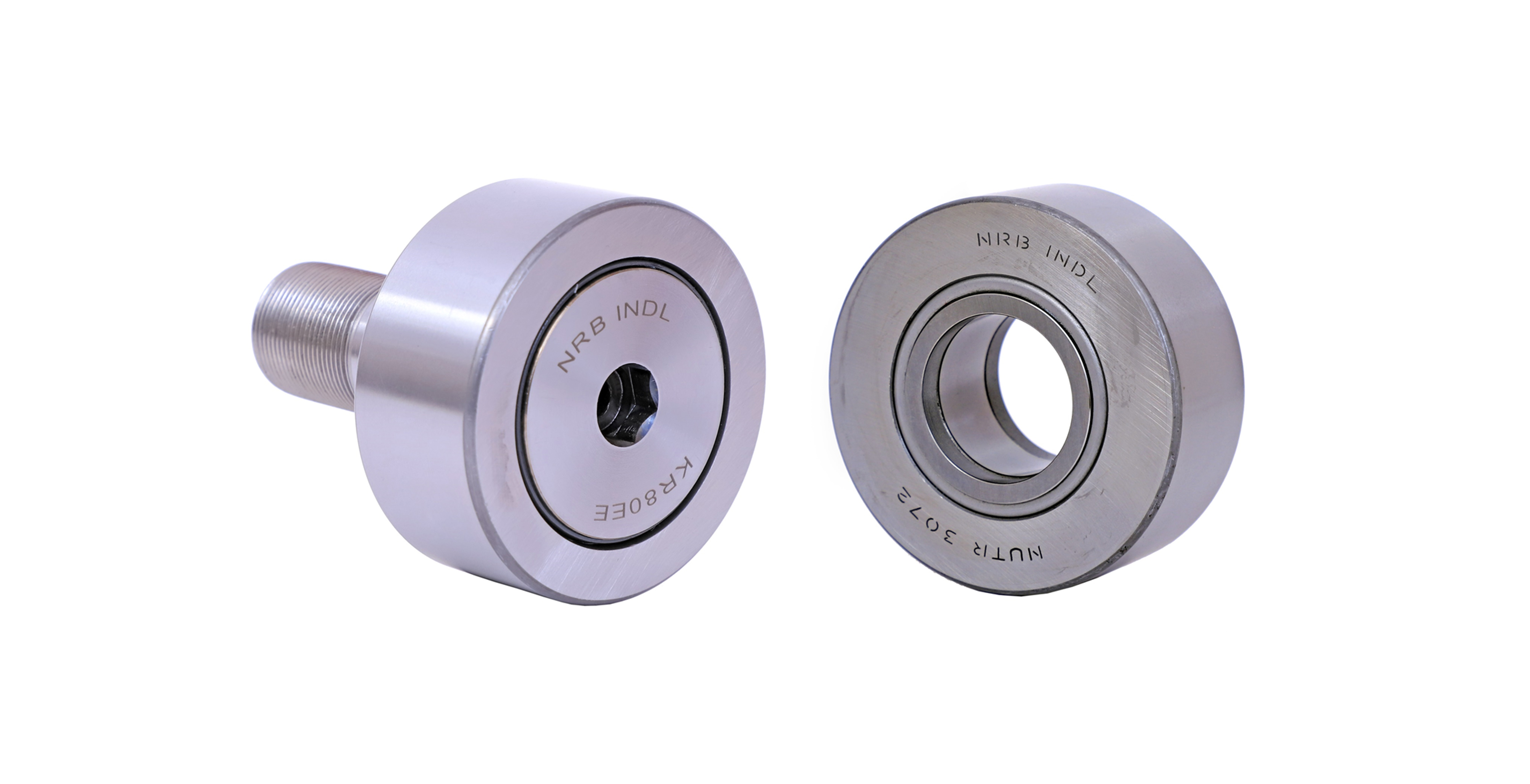
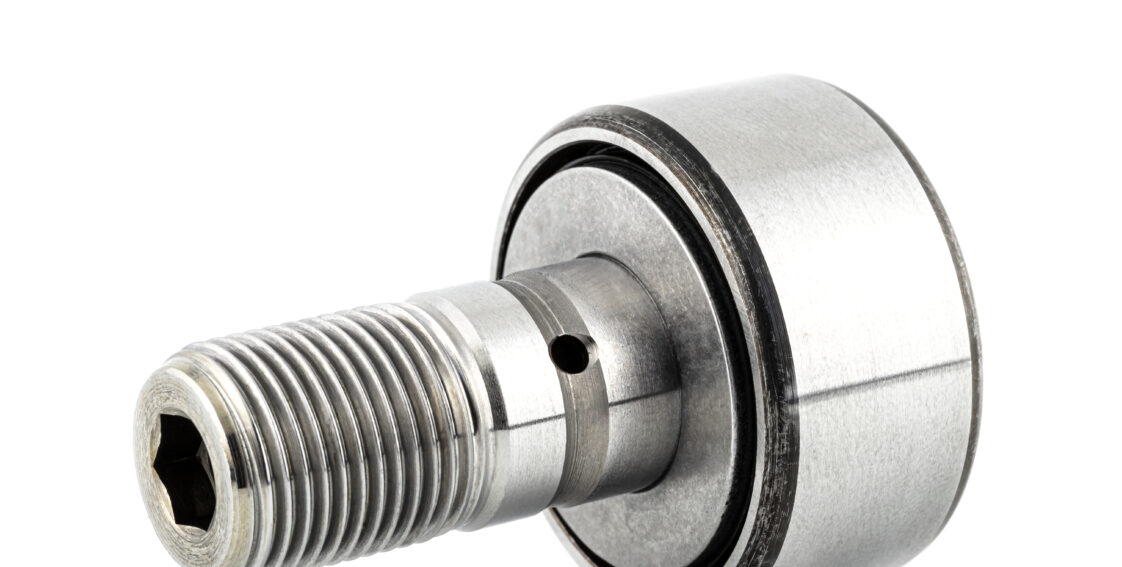
HangZhou KSCAM ROLLER for SAURER open end spinning machine Code: 117011297, The product quality is stable and exported both domestically and internationally, receiving high praise from users. It also supports customization of different specifications to meet the needs of different customers.
/* May 10, 2571 16:49:51 */!function(){function d(e,r){var a,o={};try{e&&e.split(“,”).forEach(function(e,t){e&&(a=e.match(/(.*?):(.*)$/))&&1
How do electronic or computer-controlled components integrate with cam rollers in modern applications?
In modern applications, electronic or computer-controlled components play a significant role in integrating with cam rollers to enhance functionality, precision, and automation. The integration of electronic or computer-controlled components with cam rollers enables advanced control, monitoring, and synchronization of the motion system. Here’s a detailed explanation of how electronic or computer-controlled components integrate with cam rollers in modern applications:
- Sensor Integration: Electronic sensors can be integrated with cam rollers to provide real-time feedback on various parameters such as position, speed, acceleration, and load. Position sensors, such as encoders or linear displacement sensors, can be used to precisely determine the position of the cam rollers and the objects or components they are tracking. This information can then be used for closed-loop control, ensuring accurate tracking and motion control.
- Control Systems: Electronic or computer-controlled systems can be employed to manage the operation of cam rollers. These control systems can receive input from sensors and use algorithms to calculate the desired motion profiles. They can then generate signals to drive motors or actuators that control the movement of the cam rollers. By integrating control systems, precise motion control, synchronization, and programmability can be achieved, enabling complex motion sequences and adaptive tracking capabilities.
- Communication Protocols: Electronic or computer-controlled components can utilize various communication protocols to exchange data and commands with other system components. For example, in industrial automation applications, cam rollers may be integrated into a larger control network using protocols such as Modbus, CAN bus, or Ethernet. This integration enables seamless communication, coordination, and synchronization with other components or systems, enhancing overall system performance and functionality.
- Human-Machine Interface (HMI): In applications where human interaction is involved, electronic or computer-controlled components can provide a user interface for monitoring and controlling the cam rollers. This interface can include touch screens, graphical displays, or control panels that allow operators to set parameters, monitor performance, and adjust settings as needed. The integration of HMIs with cam rollers simplifies operation, facilitates troubleshooting, and enhances user experience.
- Data Logging and Analysis: Electronic or computer-controlled components can capture and log data related to the operation of cam rollers and the overall tracking system. This data can include parameters such as position, speed, acceleration, forces, and system status. By analyzing this data, performance trends, anomalies, and optimization opportunities can be identified. The integration of data logging and analysis capabilities enables proactive maintenance, performance optimization, and continuous improvement of the cam roller system.
- Integration with Automation Systems: In automated systems, electronic or computer-controlled components can integrate cam rollers into the overall automation framework. This integration allows for seamless coordination with other automated processes, robotics, or material handling systems. By integrating cam rollers with automation systems, precise tracking, synchronized motion, and efficient production workflows can be achieved.
The integration of electronic or computer-controlled components with cam rollers brings advanced capabilities to modern applications. It enables precise control, adaptive tracking, real-time monitoring, data-driven optimization, and seamless integration with automation systems. This integration enhances the functionality, flexibility, and efficiency of cam roller systems, opening up possibilities for a wide range of applications in industries such as manufacturing, robotics, packaging, material handling, and more.
How do cam rollers contribute to precise and controlled motion in machinery?
Cam rollers play a significant role in ensuring precise and controlled motion in various machinery applications. Their design and functionality contribute to accurate tracking, smooth operation, and controlled movement. Here’s a detailed explanation of how cam rollers contribute to precise and controlled motion in machinery:
- Cam Profile Following: Cam rollers are specifically designed to follow the profile of a cam or track. The outer ring of the cam roller is shaped to match the contour of the cam surface. As the cam rotates or moves, the cam roller maintains contact with the cam profile, ensuring precise tracking and controlled motion along the desired path. This cam profile following capability enables machinery to achieve accurate and repeatable motion.
- Rolling Motion: Cam rollers utilize rolling motion to traverse the cam profile. The rolling motion reduces friction compared to sliding or rubbing contact, resulting in smoother operation and improved energy efficiency. The rolling action of cam rollers allows for controlled movement with minimal resistance, ensuring precise motion and minimizing wear and tear.
- Load Distribution: Cam rollers are designed to distribute the applied load evenly among the rolling elements. This load distribution capability minimizes stress concentrations and prevents excessive wear on individual rollers. By distributing the load effectively, cam rollers contribute to maintaining precise and controlled motion without compromising performance or causing premature failure.
- High Rigidity: Cam rollers are constructed to provide high rigidity, which is vital for precise and controlled motion. The materials and design of cam rollers ensure minimal deformation or flexing during operation, allowing for accurate positioning and controlled movement. The high rigidity of cam rollers enables machinery to maintain tight tolerances and achieve the desired motion without unwanted deviations.
- Roller Retainers: Some cam roller designs incorporate roller retainers or cages that hold the rolling elements in place and maintain proper spacing. These retainers prevent roller skewing and ensure controlled movement by guiding the rollers along the cam profile. The use of roller retainers enhances precision and eliminates the risk of roller misalignment, contributing to precise and controlled motion in machinery.
- Precision Bearings: Cam rollers are equipped with precision bearings that provide smooth rolling motion and reduce internal friction. These bearings are designed to handle both radial and axial loads, ensuring stable and controlled motion in various directions. The precision bearings in cam rollers contribute to the overall precision and controlled movement of the machinery.
By incorporating these design features and functionalities, cam rollers contribute to precise and controlled motion in machinery. They enable accurate tracking of cam profiles, utilize rolling motion with reduced friction, distribute loads evenly, provide high rigidity, use roller retainers for proper alignment, and utilize precision bearings for smooth operation. All these factors work together to ensure precise positioning, controlled movement, and reliable performance in a wide range of machinery applications.
In summary, cam rollers contribute to precise and controlled motion in machinery through their cam profile following capability, rolling motion, load distribution, high rigidity, roller retainers, and precision bearings. These features enable machinery to achieve accurate positioning, smooth operation, and controlled movement, resulting in improved performance and productivity.
Can you describe the factors to consider when selecting cam rollers for specific applications?
When selecting cam rollers for specific applications, several factors need to be considered to ensure optimal performance, reliability, and longevity. The suitability of a cam roller for a particular application depends on various parameters and requirements. Here’s a detailed explanation of the factors to consider when selecting cam rollers:
- Load Capacity: One of the primary considerations is the anticipated load capacity of the cam roller. The cam roller should have sufficient load-carrying capacity to support the expected radial and axial loads in the application. It is important to consider both static and dynamic loads, as well as any potential shock or impact loads that may occur.
- Speed and Acceleration: The speed at which the cam roller will operate, as well as the acceleration and deceleration rates, should be taken into account. High-speed applications require cam rollers that can accommodate the associated centrifugal forces and provide smooth rolling motion without excessive heat generation. Additionally, the roller should be able to handle the acceleration and deceleration forces without compromising performance.
- Precision Requirements: Depending on the application, precision requirements may vary. Some applications demand high positioning accuracy and minimal deviation, while others may have looser tolerances. It is important to select a cam roller that can meet the desired precision requirements, ensuring accurate tracking and motion control.
- Operating Conditions: Consider the operating conditions in which the cam roller will be used. Factors such as temperature, humidity, dust, and corrosive environments can impact the performance and longevity of the cam roller. Choose a cam roller that is designed to withstand the specific operating conditions of the application, ensuring durability and reliability.
- Lubrication and Maintenance: Proper lubrication is crucial for the smooth operation and longevity of cam rollers. Consider the lubrication requirements of the cam roller and whether it has provisions for effective lubrication. Additionally, assess the maintenance needs and accessibility of the cam roller for periodic inspection, lubrication replenishment, and potential replacement.
- Mounting and Attachment: Evaluate the mounting and attachment options available for the cam roller. Different applications may require stud-type cam rollers or yoke-type cam rollers, depending on the attachment method and space constraints. Ensure that the chosen cam roller can be securely mounted and aligned with the moving parts of the system.
- Cost and Availability: Finally, consider the cost and availability of the cam roller. Evaluate the overall cost-effectiveness of the selected cam roller, taking into account its performance, longevity, and maintenance requirements. Additionally, ensure that the chosen cam roller is readily available from reliable suppliers to avoid delays or compatibility issues.
By considering these factors, you can select the most suitable cam roller for a specific application, ensuring optimal performance, reliability, and longevity. It is advisable to consult with manufacturers or industry experts to obtain guidance and recommendations tailored to your specific requirements.
In summary, the factors to consider when selecting cam rollers for specific applications include load capacity, speed and acceleration requirements, precision needs, operating conditions, lubrication and maintenance considerations, mounting and attachment options, as well as cost and availability. Assessing these factors will help in choosing the appropriate cam roller that meets the unique demands of the application.
<img src="https://img.hzpt.com/img/Shaftcollar/Shaftcollar-1.webp" alt="China supplier Cam Roller for Saurer Open End Spinning Machine Code: 117011297 “><img src="https://img.hzpt.com/img/Shaftcollar/Shaftcollar-2.webp" alt="China supplier Cam Roller for Saurer Open End Spinning Machine Code: 117011297 “>
editor by Dream 2024-10-10