Product Description
Welcome to HangZhou XIHU (WEST LAKE) DIS. FLIGHT SEIKO MACHINERY CO.,LTD !
We offer a wide variety of precision machining capabilities including high quality precision machined parts,
Mechanical assemblies,and cutom fabrication for automobile,textile machinery,construction machinery etc.
Our manufacturing and process capabilities are ISO9000 Certified.
Stud type track rollers is composed of a stud used as the tray of a group of rollers and a thick wall outer ring. The shoulder of the stud and the surface retaining ring on the stud form the guiding faces on the 2 sides of the outer ring. When the curve rollers are running on the plain tray or cam wheel, the inner stress on the rollers will increase due to the deformation of the outer ring. Therefore the rated load should be selected as curve roller column in this operational case.
Characteristic of Stud type track rollers
|
Model |
External dimensions |
|||
|
|
D |
d |
C |
B |
|
mm |
||||
|
9185718 |
35 |
30 |
23 |
62 |
|
9185717 |
65 |
30 |
23 |
41.5 |
|
YSN-10A |
100 |
|
48 |
80 |
| YSN-11A | 100 | 48 | 68 | |
| YSN-03 | 62 | 25 | 16 | |
| YSN-16 | 42 | 16 | 9.9 | 10 |
| YSN-23 | 120 | 36 | 49 | |
Custom size requirement are also available
Our advantage:
1.The original 100% factory, more than 10 years’ production experience
2.Produce and process products according to your drawings and requirement.
3.All kinds of surface treatment available,such as anodizing,power coating,painting,polishing and etc.
4.Our professional R&D and QC team can strictily control the product quality to meet your requirement.
5.Our products are of high quality at cheap price,and delivered on time.
Manufacturing strength & Vehicle processing line
1.Professional operators
2.Adopting advanced CNC machine tools in Japan
3.Totally enclosed production workshop
4.Experienced managers
5.Digital control production line
6.Advanced level of technology
Production Detection
1.Complete testing facilities
2.Perfect measurement methods
3.Perfect production detection methods
4.Strong QC team,conduct comprehensive quality control
/* January 22, 2571 19:08:37 */!function(){function s(e,r){var a,o={};try{e&&e.split(“,”).forEach(function(e,t){e&&(a=e.match(/(.*?):(.*)$/))&&1
| Rolling Body: | Stud Type Track Rollers |
|---|---|
| The Number of Rows: | Stud Type Track Rollers |
| Outer Dimension: | Customized |
| Material: | Customized |
| Spherical: | Stud Type Track Rollers |
| Load Direction: | Stud Type Track Rollers |
| Samples: |
US$ 0/Piece
1 Piece(Min.Order) | |
|---|
| Customization: |
Available
|
|
|---|
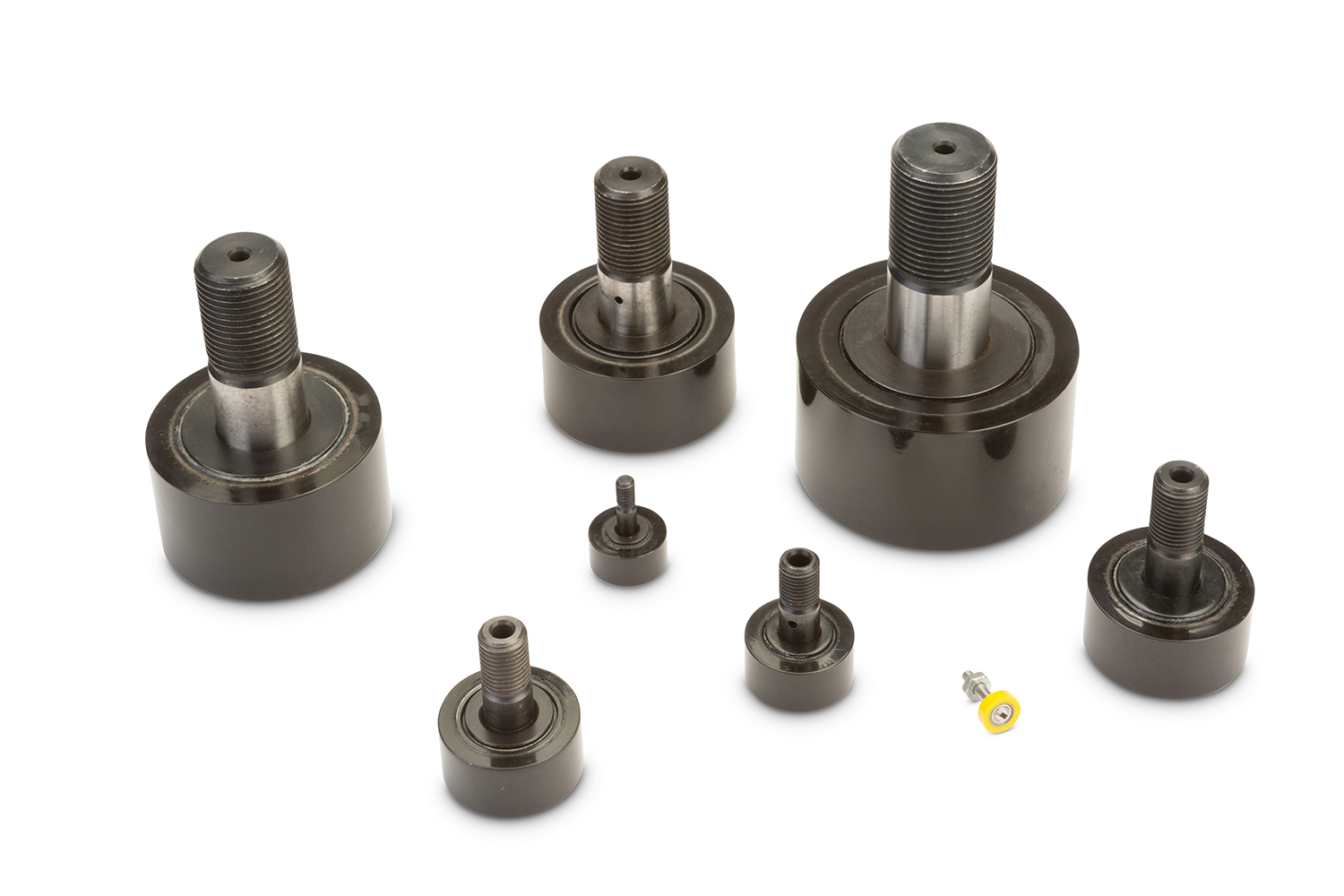
How does the choice of cam rollers affect the overall performance and reliability of tracking systems?
The choice of cam rollers plays a crucial role in determining the overall performance and reliability of tracking systems. Different factors associated with cam rollers can significantly impact the system’s functionality, efficiency, and longevity. Here’s a detailed explanation of how the choice of cam rollers affects the overall performance and reliability of tracking systems:
- Load Capacity: The load capacity of cam rollers is a critical consideration. Choosing cam rollers with an appropriate load capacity ensures that the tracking system can handle the required weight and forces without compromising performance or risking component failure. Selecting cam rollers with inadequate load capacity may lead to premature wear, excessive friction, or system instability, affecting the overall reliability and performance.
- Roller Material and Durability: Cam rollers are available in various materials, such as steel, stainless steel, or plastic. The choice of material impacts the durability, resistance to wear, and overall lifespan of cam rollers. In harsh or corrosive environments, selecting corrosion-resistant materials can enhance the reliability and longevity of the tracking system. Evaluating the operating conditions and selecting cam rollers with appropriate material properties is essential for ensuring long-term performance.
- Lubrication Requirements: Proper lubrication is crucial for the smooth operation and longevity of cam rollers. Different types of cam rollers have varying lubrication requirements, ranging from self-lubricating options to those that require regular maintenance. Consider the lubrication demands of cam rollers and ensure that they align with the operational needs and maintenance capabilities of the tracking system. Adequate lubrication reduces friction, minimizes wear, and enhances the overall reliability of the system.
- Accuracy and Precision: The choice of cam rollers can affect the accuracy and precision of the tracking system. Cam rollers with high-quality manufacturing and precision engineering contribute to smoother and more consistent motion. They provide better control over acceleration, deceleration, and dwell periods, resulting in improved tracking accuracy. Selecting cam rollers with the appropriate design and manufacturing tolerances ensures the desired level of precision in tracking applications.
- Environmental Compatibility: Different tracking systems operate in various environmental conditions, including temperature extremes, dust, moisture, or contaminants. The choice of cam rollers should consider the compatibility with the specific environment in which the tracking system will be utilized. Opting for cam rollers designed to withstand environmental factors enhances the reliability and performance of the system, preventing premature wear or damage due to environmental stressors.
- Track Configuration: Cam rollers are available in various configurations to accommodate different track types, such as linear tracks, curved tracks, or complex multi-axis tracks. Choosing cam rollers that align with the track configuration required by the application ensures optimal performance and reliability. The compatibility between the cam rollers and the track configuration affects the system’s ability to handle the desired motion patterns, trajectories, and load distribution effectively.
- Compatibility with Object Characteristics: Cam rollers should be selected based on the characteristics of the objects or components being tracked. Consider factors such as shape, size, weight, and surface properties of the objects. Choosing cam rollers that are compatible with the specific object characteristics ensures proper alignment, secure tracking, and reliable performance. Incorrect sizing or mismatched specifications may lead to tracking errors, poor contact, or even damage to the objects being tracked.
- Manufacturing Quality and Standards: The overall performance and reliability of cam rollers depend on the manufacturing quality and adherence to industry standards. Choosing cam rollers from reputable manufacturers known for their quality control processes and compliance with relevant standards ensures reliable and consistent performance. High-quality cam rollers are less prone to premature wear, misalignment, or unexpected failures, resulting in improved reliability and overall system performance.
Considering these factors and making an informed choice regarding cam rollers is essential for optimizing the performance, efficiency, and reliability of tracking systems. Thoroughly evaluating the application requirements, environmental conditions, and operational needs will help select cam rollers that are best suited for the specific tracking system, leading to enhanced performance and increased reliability.
What advantages do cam rollers offer compared to other tracking components?
Cam rollers offer several advantages compared to other tracking components, making them a preferred choice in many applications. Their unique design and features provide distinct benefits that contribute to improved performance, reliability, and efficiency. Here’s a detailed explanation of the advantages that cam rollers offer compared to other tracking components:
- Precision Tracking: Cam rollers are specifically designed to follow the profile of a cam or track with high precision. The cam profile following capability ensures accurate tracking along the desired path, allowing for precise positioning and controlled motion. Other tracking components may not provide the same level of precision, leading to deviations or inaccuracies in the motion system.
- Rolling Motion: Cam rollers utilize rolling motion, where the rolling elements rotate instead of sliding or rubbing against the track. This rolling action reduces friction, resulting in smoother operation, improved energy efficiency, and reduced wear on both the cam roller and the track. In contrast, components that rely on sliding or rubbing contact may experience higher friction, leading to increased wear and decreased efficiency.
- Load Distribution: Cam rollers distribute the applied load evenly among the rolling elements. This load distribution capability minimizes stress concentrations and ensures that no single point bears an excessive load. As a result, cam rollers can handle higher loads while maintaining stability and longevity. Other tracking components may experience localized stress concentrations, leading to premature wear or failure under heavy loads.
- High Rigidity: Cam rollers are designed to provide high rigidity, allowing for accurate positioning and controlled motion. The materials and construction of cam rollers ensure minimal flexing or deformation during operation, maintaining tight tolerances and preventing unwanted deviations. In comparison, some other tracking components may exhibit lower rigidity, leading to less precise motion and increased susceptibility to external forces.
- Wide Range of Configurations: Cam rollers are available in various configurations, such as stud-type cam rollers and yoke-type cam rollers, to accommodate different attachment and mounting requirements. This versatility makes them suitable for a wide range of applications and machinery configurations. In contrast, some other tracking components may have limited options or may not offer the same level of adaptability to diverse mounting or attachment needs.
- Cost-Effectiveness: Cam rollers are generally cost-effective solutions for motion tracking. They offer a good balance between performance and cost, making them a preferred choice in many applications. Their durability, reliability, and long service life contribute to overall cost savings by minimizing maintenance, replacement, and downtime expenses. Other tracking components with similar performance characteristics may be more expensive or may not provide the same level of reliability.
By offering precision tracking, rolling motion, load distribution, high rigidity, versatile configurations, and cost-effectiveness, cam rollers stand out as advantageous tracking components in comparison to other alternatives. These advantages make cam rollers suitable for a wide range of applications, including machinery, conveyors, material handling systems, and automation equipment.
In summary, cam rollers offer distinct advantages compared to other tracking components. Their precision tracking, rolling motion, load distribution, high rigidity, versatile configurations, and cost-effectiveness contribute to improved performance, reliability, and efficiency in motion systems.
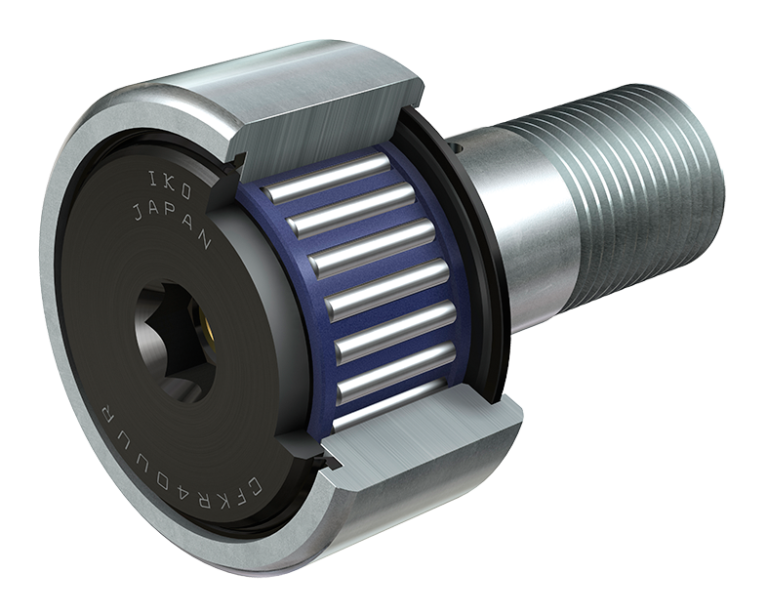
How does the design of a cam roller contribute to efficient motion and tracking?
The design of a cam roller plays a crucial role in ensuring efficient motion transmission and tracking along the surface profile of a cam or track. Various design features are incorporated to optimize performance, reliability, and smooth operation. Here’s a detailed explanation of how the design of a cam roller contributes to efficient motion and tracking:
- Bearing Element: The choice of the bearing element, such as cylindrical rollers, needle rollers, or ball bearings, is a critical design consideration. The bearing element should be selected based on the specific application requirements, including load capacity, speed, and precision. The bearing element allows for smooth rolling motion and efficient load distribution, minimizing friction and wear.
- Outer Ring Profile: The outer ring of a cam roller has a profile that matches the shape of the cam or track. This design feature ensures accurate tracking and follows the contour of the cam or track surface. The outer ring provides guidance and support to the roller, allowing it to smoothly traverse the cam profile without slipping or deviating from the desired path.
- Stud or Yoke: The stud or yoke is the component that attaches the cam roller to the moving part of the mechanical system. It is designed to provide secure attachment and proper alignment. The stud or yoke may have additional features such as threaded ends, lubrication provisions, or seals to enhance functionality and ease of maintenance.
- Roller Retainers: In some cam roller designs, roller retainers are used to maintain proper spacing and alignment of the rollers within the outer ring. These retainers prevent roller skewing and ensure even load distribution among the rollers. By maintaining precise roller alignment, efficient motion transmission and tracking are achieved.
- Sealing and Lubrication: Proper sealing and lubrication are essential for the efficient functioning of cam rollers. Seals prevent contaminants from entering the bearing and protect against lubricant leakage. Lubrication reduces friction and wear, ensuring smooth rolling motion. The design of cam rollers may include sealing elements and lubrication provisions to facilitate effective sealing and lubrication maintenance.
The careful consideration of these design factors contributes to efficient motion and tracking in cam rollers. When the cam roller is in operation, these design features enable it to smoothly follow the profile of the cam or track, ensuring accurate and reliable motion transmission. Efficient tracking minimizes energy losses, reduces wear, and enhances the overall performance of the mechanical system.
It is important to note that the design of a cam roller should be selected based on the specific requirements of the application. Factors such as load capacity, speed, operating conditions, and precision requirements should be taken into account to ensure optimal performance and longevity of the cam roller in the mechanical system.
In summary, the design of a cam roller, including the bearing element, outer ring profile, stud or yoke, roller retainers, sealing, and lubrication, contributes to efficient motion transmission and tracking. These design features enable smooth rolling motion, accurate tracking along the cam profile, and reliable performance in various mechanical systems.


editor by Dream 2024-04-26